 Sarasota Window
 Bee Ridge's Climate Is Hard on a Roof — Here's Why That Matters
Bee Ridge sits inland of the immediate coastline, but it doesn't escape what Sarasota County's climate does to a roof. Hurricane-force wind gusts arrive every storm season and don't care how far a house is from the water. Sun exposure is close to constant, year-round, and it breaks down roofing materials from the outside in. Wind-driven rain — the kind that comes in sideways during a squall or tropical system — finds any gap in flashing or underlayment that a calmer climate would never expose. And salt-laden air still moves well inland on sea breezes, working on exposed metal fasteners and cut edges even miles from the Gulf.
None of that makes a metal roof a bad choice for a Bee Ridge home — if anything, a properly installed metal roof handles this combination better than most other roofing materials. But "properly installed" is doing a lot of work in that sentence. A metal roof that's installed the way it would be in a mild, low-wind climate will underperform here, sometimes within just a few storm seasons. This page is about what a correct installation actually looks like in this specific area, and why it matters who does the work.
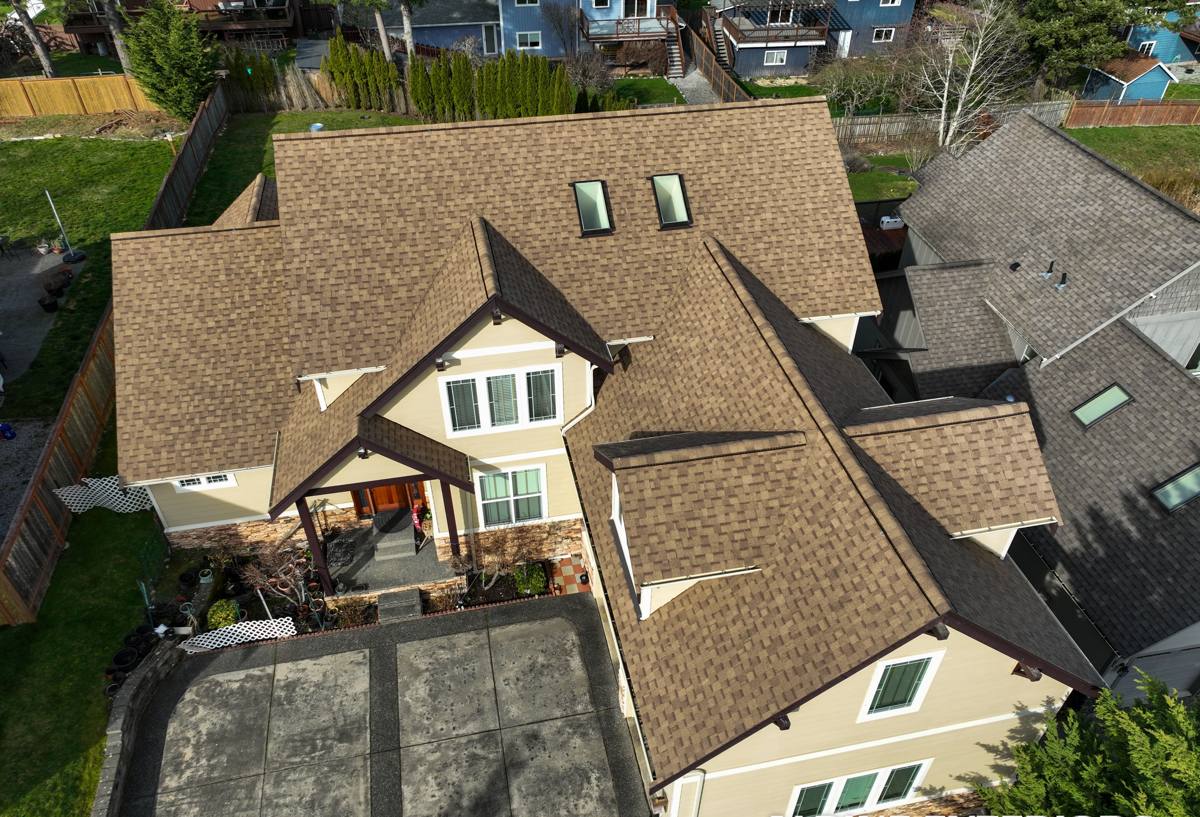
What a Correctly Installed Metal Roof Actually Involves
The panels are the part everyone sees, but they're a small piece of what actually keeps a roof watertight and attached to the house in high wind. Most of the roof's real performance comes from details that are invisible once the job is finished.
Fastening and Wind Resistance
Metal roofing fails in wind almost exclusively at the fastening points, not because the panel material itself gives out. Fastener spacing, fastener type, and clip design all have to match the wind pressures the specific home will see — which depends on roof height, slope, exposure, and where the house sits relative to open ground. A fastening pattern that's fine for a low, sheltered roof isn't automatically fine for a home with more open exposure a few streets over. This is engineering, not guesswork, and it should be treated that way on every job, not just the ones that look obviously exposed.
Underlayment and the Water Barrier Underneath
Under every metal panel is a secondary water barrier that does the real work during wind-driven rain. Valleys, eaves, and areas around penetrations should get a self-adhered, high-temperature underlayment, with a wind-rated synthetic underlayment across the rest of the field, all lapped correctly from eave to ridge so water sheds downhill at every seam. Skipping or skimping on this layer is one of the most common ways a metal roof ends up leaking even though the panels themselves look perfect.
Flashing and Penetrations
Every pipe boot, wall transition, valley, and chimney is a place where two different materials meet — and it's almost always where leaks start. Step flashing, counter-flashing, and sealants that are actually compatible with the panel's finish (not just whatever caulk is on the truck) all matter more than the panel choice itself. A crew that rushes flashing details to get to the next job is setting a homeowner up for a callback in a year or two.
Choosing a Panel Profile and Finish for This Area
There isn't one "best" metal roof — there's a best fit for a given home, roof pitch, and budget. The two broad categories homeowners in this area choose between are standing seam and exposed-fastener panels, and the honest trade-offs are worth understanding before deciding.
| Feature | Standing Seam | Exposed-Fastener Panels |
|---|---|---|
| Attachment method | Hidden clips, no fasteners through the panel face | Screws through the panel face into the deck or purlins |
| Wind performance | Generally stronger uplift resistance, fewer failure points | Good performance when correctly installed, but fasteners are the weak point over time |
| Long-term maintenance | Very low — no exposed fasteners to back out or rust | Fasteners can loosen or corrode and need periodic checking |
| Typical upfront cost | Higher material and labor cost | More affordable upfront |
| Best fit | Homes prioritizing longevity and minimal upkeep | Budget-conscious projects, secondary structures, simpler rooflines |
Finish matters as much as profile. In this climate, a quality baked-on paint system with strong UV and chalk resistance is worth paying for — a cheap finish will fade and chalk well before the metal itself is anywhere near the end of its useful life. We don't recommend the lowest-grade coated panels for anything more than a shed or utility structure; on a primary home, the finish is protecting your investment for decades, and it's not the place to cut cost.
Wind Ratings, Permits, and Sarasota County Code
Sarasota County falls under Florida Building Code's high-wind provisions, which require roofing systems to meet wind-uplift and windborne-debris standards that are considerably stricter than what's typical in much of the country. That means the panel system, underlayment, and fastening schedule all need to carry a valid product approval for use in this wind region — not just be "rated for hurricanes" as a marketing phrase.
A metal roof replacement or new install in Bee Ridge requires a building permit and inspection through Sarasota County. That's not paperwork for its own sake — the inspection is what confirms the fastening pattern, underlayment, and flashing actually match what the engineering calls for on that specific roof. A contractor who tries to skip the permit, or treats it as optional, is asking you to trust an installation that no one with the authority to check it ever verified.
How We Approach a Bee Ridge Metal Roofing Project
- Full roof inspection and measurement, including a look at the deck condition from the attic side where possible, not just the surface.
- Honest assessment of whether the existing deck can be reused or needs repair — metal roofing performs no better than the surface it's fastened to.
- Underlayment installed to match the wind and water-barrier requirements for the specific roof, not a one-size-fits-all approach.
- Panel installation with fastening or clip spacing engineered for that roof's exposure and slope.
- Flashing, penetrations, and edge details finished and sealed before anything is called complete.
- Final walk-through and jobsite cleanup, including magnetic sweep for stray fasteners and debris.
We pull the permit, schedule the required inspections, and don't consider the job done until it passes. That's the same standard whether the roof is a small repair section or a full replacement.
How Long a Metal Roof Should Last Here — and What Shortens It
A well-installed metal roof with a quality finish commonly lasts several decades in Florida — often outlasting two or three asphalt shingle roofs over the same period. But that expectation only holds if the installation was done correctly and the panel and coating quality were appropriate for the coastal-influenced air this area sees.
What actually shortens a metal roof's life here isn't usually the metal itself — it's the details around it. Fasteners that back out from repeated wind flex and thermal expansion/contraction, cut edges left unsealed and exposed to salt air, low-grade finishes that chalk and fade under constant UV, and flashing that was never properly integrated in the first place. Almost every premature metal roof failure we see traces back to one of those installation or material shortcuts, not a defect in the metal panel itself.
Signs Your Bee Ridge Roof Needs a Repair — Before It Needs a Replacement
Metal roofing usually gives warning signs well before it fails outright. Catching these early is almost always a repair; ignoring them turns a repair into a replacement.
- Panels that look like they're lifting slightly at the edges or "oil-canning" more than they used to
- Rust streaking at fastener heads, cut panel edges, or flashing seams
- Visible fastener backout — screw heads standing proud of the panel surface
- Leaks or staining in the attic or ceiling after wind-driven rain specifically, even if the roof seems fine in calm weather
- Chalky residue on the finish that wipes off on your hand, or noticeable color fading in patches
- Loose or missing sealant at pipe boots, vents, or wall flashing
- Any panel movement or noise during wind that wasn't there before
None of these mean the whole roof needs to come off. Most of them are a targeted repair if addressed promptly — the cost only escalates when they're left to work on the deck and structure underneath.
Why a Local Crew That Already Works Bee Ridge Matters
Roofing crews that work this specific area regularly know the county permitting process without it slowing the job down, they've seen how the local building stock is put together, and they understand which wind exposure and flashing details actually apply to homes here versus a generic install spec. That local familiarity shows up in fewer surprises mid-project and fewer callbacks after the first real storm.
It also matters after the job is done. A crew that's established in Sarasota County isn't going anywhere if a fastener needs a check or a flashing detail needs attention down the road. That accountability is worth more than a slightly lower bid from a crew that won't be easy to reach in three years.
If you're weighing a metal roof for a Bee Ridge home — new installation, replacement, or repair — we're happy to take a look and give you a straightforward assessment. There's no pressure and no cost for the estimate; just an honest read on what your roof actually needs.