 Sarasota Window
 Windows Built for Bee Ridge, Not Just Sarasota in General
Bee Ridge sits inland enough from the barrier islands that people sometimes assume the coastal weather rules don't apply the same way. They still do. Sarasota County's building code doesn't carve out an exception for neighborhoods a few miles from the water, and the atmosphere doesn't either. Salt air travels well past the beach on a steady onshore breeze, afternoon thunderstorms roll through Bee Ridge with the same wind-driven rain that hits downtown, and the sun overhead doesn't care how far you are from Siesta Key. Windows here need to handle the same combination of stresses as anywhere else in the county: hurricane-force wind loads, constant UV exposure, and moisture that finds its way into anything not properly sealed.
We work on homes throughout this part of Sarasota regularly, which means we're familiar with the mix of housing stock in and around Bee Ridge — from older ranch homes with original single-pane aluminum windows to newer construction with impact glass already installed but improperly flashed. Each of those situations calls for a different approach, and that's the kind of judgment call that comes from doing this work locally, not from a general script.
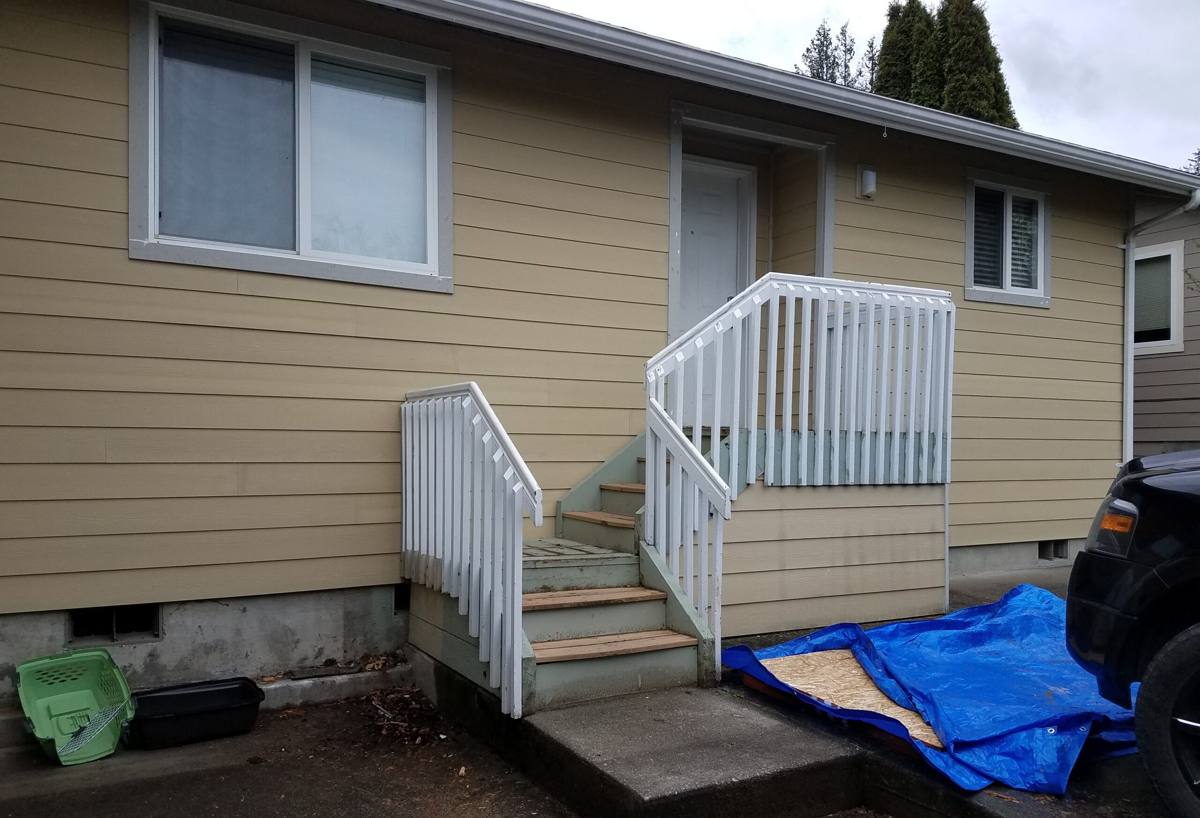
What Sarasota County's Climate Actually Does to Windows
Wind and Pressure
Sarasota County falls within the High-Velocity Hurricane Zone influence area of Florida's building code, and even where it doesn't strictly apply the HVHZ rules, wind design pressures here are still substantial. During a tropical system, windows aren't just resisting wind pushing on the glass — they're dealing with rapid pressure changes as gusts hit and release. A window that isn't rated and installed correctly for that cycling can fail at the seal long before the glass itself breaks, and that's often where leaks start.
UV Exposure
Florida sun is relentless, and it's not seasonal the way it is farther north. Year-round UV breaks down vinyl frames, dries out and cracks old glazing compounds, and fades interior finishes near windows that aren't rated for it. Homeowners often notice this first as a window that's harder to open and close — the frame has warped slightly from heat and sun exposure over years.
Wind-Driven Rain
A window can be watertight in a light rain and still leak in a Sarasota storm, because wind-driven rain hits at an angle and under pressure, forcing water into gaps that would never see moisture otherwise. This is why installation quality — flashing, sealant, and how the window integrates with the wall assembly — matters as much as the window unit itself.
Salt Air
Salt in the air accelerates corrosion on hardware, screws, and metal components. Aluminum-clad and vinyl frames handle this better than bare steel or lower-grade aluminum hardware, which is one reason we're selective about the components we use, not just the glass.
Common Window Problems We See in This Area
- Original aluminum-frame single-pane windows from homes built before modern impact standards, often with failed or missing weep systems
- Foggy or "blown" double-pane glass where the seal between panes has failed, letting moisture in between the panes
- Windows that were replaced at some point but installed without proper flashing, leading to slow water intrusion around the frame
- Sliders and hardware that have stiffened or corroded from years of salt air and heat cycling
- Frames that have warped enough that the window no longer closes and locks flush, which undermines both security and wind resistance
- Older homes with no impact-rated protection at all, relying on loose shutters that may or may not get installed before a storm
How We Approach a Window Project in Bee Ridge
We start with an on-site look at the actual condition of your existing windows and framing, not just a measurement for new glass. Water intrusion around windows is often a framing or flashing problem as much as a window problem, so we check the surrounding wall assembly before recommending anything. From there we talk through what actually fits your home and your budget — that might mean full impact-rated replacement, or it might mean a more targeted repair if the frames are sound and the issue is isolated.
Installation is where most window problems either get solved or get built back in. We pay close attention to flashing details, proper sealant application, and correct fastening to the structural opening — the parts of the job that don't show up in a sales brochure but determine whether the window performs in an actual storm five or ten years down the road.
Impact Windows: What They Do and Don't Do
Impact-rated windows use laminated glass with an interlayer that holds the glass together even when it's struck by wind-borne debris, which is the main hazard during a hurricane — not the wind pressure alone, but what the wind is carrying. That's an important distinction, because it means the frame, the anchoring, and the glass all have to work as a system. A high-rated window installed poorly can still underperform, and a properly installed mid-tier window can outlast a premium one that was rushed into place.
Impact Glass vs. Shutters
Both approaches are legitimate ways to meet Florida's opening-protection requirements, and homeowners choose between them based on budget, convenience, and how the home is used. Shutters cost less upfront but require deployment before every storm and storage the rest of the year. Impact windows cost more initially but provide protection at all times, along with year-round UV filtering and sound reduction as side benefits. We'll walk through both honestly rather than push one option regardless of your situation.
Comparing Window Options for Sarasota County Homes
| Factor | Impact-Rated Windows | Standard Windows + Shutters |
|---|---|---|
| Upfront cost | Higher | Lower |
| Storm prep required | None — always protected | Shutters must be installed before each storm |
| UV and heat performance | Better year-round filtering | Depends on glass, no added benefit from shutters |
| Sound reduction | Noticeably better | No change day-to-day |
| Maintenance | Frame and seal upkeep only | Shutters need storage, hardware upkeep, and periodic replacement |
| Appearance | Unobstructed views at all times | Shutters visible or requiring storage space |
Neither option is universally "better" — it depends on how you weigh upfront cost against ongoing convenience and daily comfort. We'll price both out for your specific home so the comparison isn't abstract.
Windows Don't Work in Isolation
A window is only as good as the wall, roof, and siding around it. We handle roofing, siding, and decks as well as windows, which matters in a practical way: if a roof leak or siding gap has been feeding moisture toward a window opening, replacing the window alone won't fix the underlying problem. Because we look at the whole exterior envelope rather than one component at a time, we can flag issues in siding or roof flashing that are contributing to a window problem before they get blamed on the window itself.
Why a Local Crew Matters for This Kind of Work
Window and door products carry manufacturer specifications for exactly how they need to be installed to hold their wind rating and warranty — anchor spacing, sealant type, flashing sequence. A crew unfamiliar with Sarasota County's permitting and inspection expectations is more likely to cut corners that don't show up until the next major storm. We pull the required permits, coordinate inspections, and stand behind our own installation work, which is different from a warranty on the product alone.
Being local also means we're not guessing at what Bee Ridge homes typically need. We see the same builders, the same housing eras, and the same recurring issues repeatedly in this part of the county, and that pattern recognition shortens the diagnostic part of the job and helps us give you a straight answer about what your home actually needs.
What to Check Before Hiring a Window Contractor
- Confirm they pull permits and schedule required inspections — this isn't optional under Florida code for window replacement
- Ask what wind-load rating applies to your specific home and why, rather than a generic answer
- Get specifics on flashing and sealant methods, not just the window brand being installed
- Check that they carry general liability and workers' compensation insurance
- Ask how they handle a leak or seal failure after installation — what's covered and for how long
- Get a written, itemized estimate rather than a single lump-sum number
What a Window Project Typically Involves
- On-site assessment of existing windows, frames, and surrounding wall condition
- Discussion of options — repair vs. replacement, impact-rated vs. standard, based on your goals and budget
- Written estimate with product specifications and scope of work
- Permit application and scheduling
- Removal of old units and preparation of the opening
- Installation with proper flashing, sealing, and anchoring per manufacturer and code requirements
- Final inspection and walkthrough
Get a Straight Answer About Your Windows
If you're dealing with a window that's fogged, hard to operate, leaking during storms, or you're simply thinking ahead to hurricane season, it's worth having someone look at the actual condition of your windows and frames rather than guessing from the outside. We offer free, no-pressure estimates for homeowners in Bee Ridge and throughout Sarasota County — fill out the form below and we'll set up a time to take a look.