 Sarasota Window
 Venice Homes Face a Specific Kind of Wear
Venice sits on the Gulf coast in Sarasota County, and that location is a mixed blessing for the exterior of a house. The same waterfront proximity that makes the area desirable also means homes here absorb more punishment than a house built fifty miles inland. Salt-laden air moves in off the Gulf and settles on everything — window frames, roof fasteners, siding panels, deck hardware. Add in the intensity of Florida's summer sun, months of high humidity, wind-driven rain during storm season, and the occasional hurricane-force gust, and you have an environment that ages building materials faster than most manufacturers' marketing admits.
None of this means a home in Venice is doomed to constant repairs. It means the materials, installation methods, and maintenance schedule need to match the climate they're actually sitting in, not a generic national standard. That's the lens we bring to every job in this part of Sarasota County.
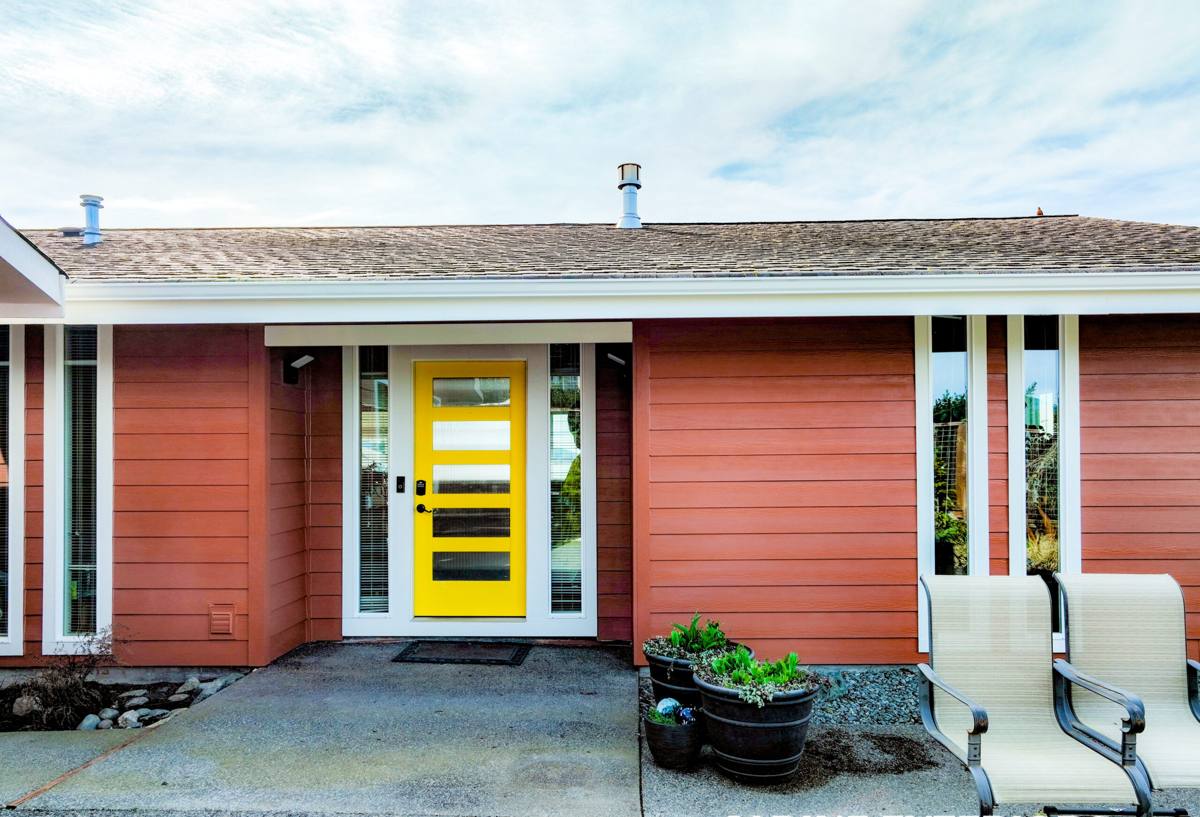
Windows: What Actually Fails First
On older Venice homes, the window problems we see most often aren't dramatic — they're slow. Frame seals dry out and crack under UV exposure. Aluminum frames pit and corrode from salt air, especially on homes closer to the water. Single-pane or early dual-pane units let heat through, which shows up as a higher cooling bill long before anyone notices a visible problem. And on homes that have been through a few tropical systems, water intrusion around poorly sealed frames is a common, quiet source of interior damage.
What We Check
- Frame material and its resistance to salt corrosion versus UV breakdown
- Impact rating and whether it meets current wind-borne debris requirements for this part of Florida
- Seal and flashing condition around the existing rough opening, not just the sash
- Whether the current glass package is doing anything to manage solar heat gain
- Drainage paths — where water goes if it does get past the outer seal
We install impact-rated windows built for coastal wind and pressure requirements, and we're honest about trade-offs between frame materials — vinyl, aluminum, and composite each handle heat, salt, and long-term maintenance differently. There's no single "best" choice for every house; the right pick depends on the home's exposure, budget, and how long the owner plans to stay in it.
Roofing: Wind and Water Are the Two Enemies
A roof in Venice has to manage two separate threats that don't always show up the same way. Wind uplift is the concern during named storms — fastener patterns, underlayment, and edge detailing matter more than shingle brand. Water intrusion is the year-round concern — humidity and wind-driven rain find any gap in flashing, especially around penetrations like vent stacks, chimneys, and skylights.
We pay close attention to flashing details and fastening schedules because that's where most roof failures actually start, not in the field of the roof itself. A roof that looks fine from the ground can still have a compromised edge or a slowly failing underlayment layer that won't announce itself until a storm finds it.
Signs a Roof Needs Attention
- Granule loss showing up in gutters or at downspout discharge points
- Soft spots or slight sagging when walked (we check this carefully, not by guesswork)
- Rust streaking near metal flashing or fasteners
- Visible daylight or water staining in the attic near roof penetrations
- Curling or lifting shingle edges, especially on south- and west-facing slopes
Siding: Sun and Salt Do Different Damage
Siding takes damage from two directions that often get confused. UV exposure fades color and, over years, makes some materials brittle. Salt air is a separate, corrosive process that attacks fasteners, trim, and any exposed metal components regardless of what the siding panel itself is made of. A siding job that looks good on day one can still fail early if the fasteners and flashing underneath weren't chosen with salt exposure in mind.
We don't install every product on the market, and that's deliberate. Some siding systems that perform fine in drier, inland climates have known moisture-trapping or maintenance issues in a coastal, high-humidity environment like Venice — not because the product is defective, but because it wasn't engineered with this specific combination of sun, salt, and moisture in mind. We'll walk through the honest trade-offs of each option — upfront cost, expected maintenance, appearance over time, and how the warranty actually holds up in coastal conditions — rather than pushing whatever has the best margin.
Decks: Built for Outdoor Living, Tested by the Elements
A lot of Venice homes are built around outdoor living — lanais, pool decks, and open decks get heavy use because the weather cooperates most of the year. That same year-round exposure is hard on deck materials. Wood decking needs consistent maintenance to resist rot and UV graying. Composite materials handle moisture and sun differently than wood, with their own maintenance profile and upfront cost. Fasteners and structural hardware need to be rated for the humidity and salt exposure in this area, or they'll corrode well before the decking surface itself wears out.
Deck Material Comparison
| Material | Sun/Fade Resistance | Moisture Handling | Ongoing Maintenance |
|---|---|---|---|
| Pressure-treated wood | Fades and grays without regular sealing | Needs sealing to resist rot | Annual cleaning and resealing recommended |
| Composite decking | Holds color longer, some fading still occurs | Resists rot well when installed with proper drainage | Periodic cleaning, no sealing/staining needed |
| Hardwood species | Naturally durable but still grays over time | Dense grain resists moisture better than softwood | Regular oiling to maintain appearance |
Why a Local Crew Matters Here
Exterior work in Venice isn't the same job as the identical scope of work in Ohio or even in inland Florida. A crew that works this part of Sarasota County regularly knows which flashing details actually hold up to wind-driven rain off the Gulf, which fastener grades resist salt corrosion long enough to be worth the extra cost, and which local permitting and wind-load requirements apply to a given project. That knowledge comes from doing the work here repeatedly, not from a general contractor's checklist written for a different climate.
A local crew is also easier to hold accountable. If something needs a follow-up visit — a seal that needs rechecking after the first hard rain, a fastener that needs replacing — we're not driving in from out of state to handle it.
What to Expect From a Project
Every project starts with an honest, in-person assessment — not a sales pitch dressed up as an inspection. We look at the actual condition of what's there, explain what we're seeing in plain terms, and give you real options with honest trade-offs, including what happens if you choose to wait or do a partial repair instead of a full replacement.
General Project Flow
- On-site assessment of the current condition and what's driving the problem
- Clear explanation of options, with honest pros, cons, and rough cost ranges
- Written scope of work before anything starts
- Installation according to manufacturer specs and local wind/moisture requirements
- Final walkthrough so you understand what was done and how to maintain it
What Drives Cost
Costs on exterior projects vary widely based on scope, materials, and the condition of what's underneath the visible surface. A few factors tend to move the number more than homeowners expect:
| Factor | Why It Matters |
|---|---|
| Hidden substrate condition | Rot or corrosion found once old material is removed often changes scope |
| Wind rating requirements | Impact-rated windows and reinforced roofing systems cost more upfront but are built for this coastal exposure |
| Material choice | Composite, hardwood, vinyl, and metal options all carry different upfront and long-term maintenance costs |
| Access and site conditions | Roof pitch, lanai enclosures, or tight lot lines can affect labor time |
| Scope size | Full replacements versus targeted repairs have very different cost profiles |
A Simple Maintenance Checklist for Venice Homeowners
- Rinse salt residue off windows, siding, and railings periodically, especially on homes closer to the water
- Check window seals and caulking each year before storm season
- Clear gutters and downspouts so roof water actually drains away from the structure
- Inspect deck fasteners and hardware for corrosion, not just the decking surface itself
- Have the roof looked at after any major wind event, even if there's no obvious visible damage
If you're noticing wear on your windows, roof, siding, or deck — or you just want an honest read on where things stand before storm season — we're happy to come take a look. The estimate is free, there's no pressure, and you'll get a straight answer either way. Use the form below to get started.