 Sarasota Window
 Bradenton Homes Face a Tougher Climate Than Most Windows Are Built For
If you own a home in the Bradenton area, you already know your windows work harder than windows almost anywhere else in the country. This stretch of Florida's Gulf Coast delivers a combination most window products were never designed to survive long-term: hurricane-force wind events, intense year-round UV exposure, wind-driven rain that finds every gap in a poor installation, and salt-laden air that corrodes hardware and finishes from the outside in. None of these are occasional stresses. They're constant, and they add up over years.
A window that performs fine in a drier, milder climate can fail here well before its expected lifespan — fogged glass, swollen or warped frames, hardware that won't lock smoothly, or worse, a compromised seal during a storm. We install and repair windows for homeowners throughout the Bradenton area with that reality in mind, not as an afterthought but as the starting point for every product and installation decision we make.
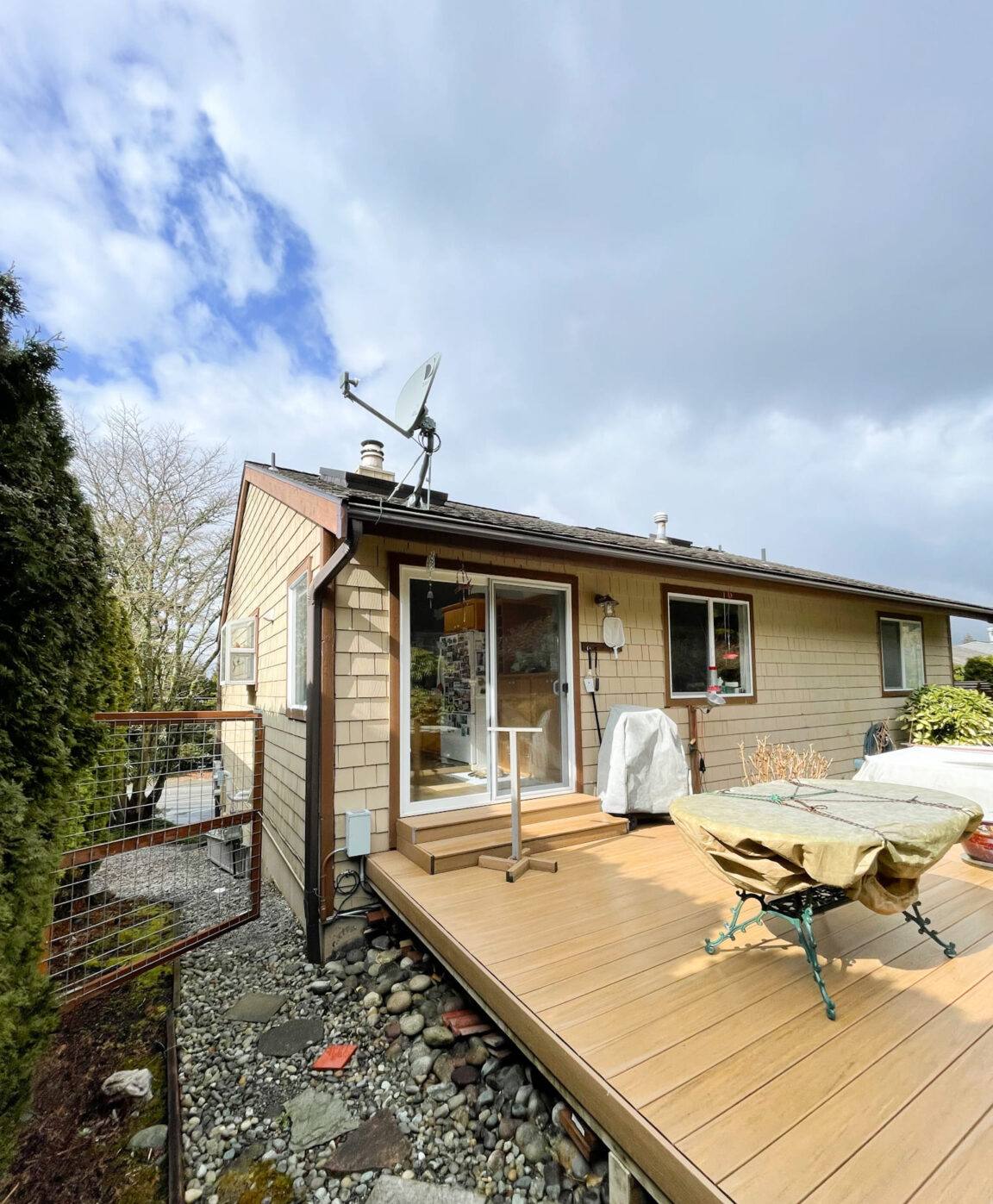
What the Coastal Climate Actually Does to a Window Over Time
Wind and Pressure
Florida's building codes exist because tropical storms and hurricanes put real structural load on window openings. Wind doesn't just push against glass — it creates pressure differentials that can pull a poorly sealed or under-rated window right out of its frame, and airborne debris can breach ordinary glass in seconds. Homes closer to the water generally face higher wind-load requirements, but no home in this region is exempt from the risk.
UV Exposure
Florida sees more sun hours than most of the country, and that UV load breaks down vinyl, weatherstripping, and low-quality seals faster than manufacturers' ratings often assume. This shows up as chalky or brittle frames, yellowing, and seals that lose their flexibility years ahead of schedule.
Wind-Driven Rain
Rain that comes in sideways during a storm tests flashing and sealant details that never matter in calmer climates. A window can be well-built and still leak if the installation around it wasn't done correctly — this is one of the most common sources of water intrusion we're called out to diagnose.
Salt Air
Even homes that aren't right on the water get salt exposure carried in on Gulf breezes. Over time, salt accelerates corrosion on hardware, hinges, locks, and fasteners, and it degrades certain metal finishes faster than inland homeowners typically expect.
Signs Your Windows Are Losing the Fight
- Fogging or a hazy film between panes of double-glazed glass — usually a sign the seal has failed
- Frames that feel soft, warped, or don't close flush anymore
- Difficulty locking a window smoothly, or hardware that feels gritty or corroded
- Drafts or a whistling sound during windy conditions
- Water staining on the wall or sill below a window after heavy rain
- Visible daylight around the frame when the window is closed
- A noticeable jump in cooling costs without another clear cause
Any one of these on its own might just mean a repair. Several together, especially on a home with original windows that are 15-20+ years old, usually means it's time to talk about replacement.
Impact-Rated Windows: What They Are and Why They Matter Here
Impact-rated windows use laminated glass — essentially two layers of glass bonded to an interlayer — so that even if the outer pane cracks under debris impact, the window stays intact and keeps the opening protected. That matters for two reasons: it keeps wind and rain out during a storm, and it removes the need to install and store separate shutters or panels.
Impact glass isn't the only path to code compliance — some homeowners pair standard glass with approved shutter systems instead — but for most of our Bradenton-area clients, impact windows are the lower-hassle, longer-term option. You get storm protection built into the window itself, plus better UV control and sound dampening as a side benefit, without anything to install, remove, or find storage space for before a storm.
Wind-load and impact requirements vary by exact location and how close a property sits to the coast, so we always confirm the correct rating for your specific address rather than assuming one standard fits every home in the area.
Choosing a Frame Material for a Coastal Home
Frame material affects how a window holds up to UV, humidity, and salt air over the long run — not just how it looks. Here's how the common options compare for this climate specifically.
| Frame Material | How It Handles This Climate | General Cost Position |
|---|---|---|
| Vinyl | Good UV and moisture resistance, low maintenance, won't corrode; quality varies a lot between manufacturers | Lower to mid-range |
| Aluminum | Strong and slim-profile, but more prone to salt-air corrosion over time unless properly coated and maintained | Mid-range |
| Fiberglass | Excellent dimensional stability in heat and humidity, resists UV degradation and corrosion well | Higher |
| Wood / Wood-Clad | Attractive but demands the most upkeep in high-humidity, high-salt conditions; not our default recommendation here | Higher |
We don't push one material on every home. The right call depends on your budget, how exposed your property is to salt and direct sun, and what look you're going for. What we won't do is put a homeowner into a product that's a poor fit for this climate just because it's cheaper up front — that trade-off almost always costs more in maintenance and premature replacement down the line.
Why the Installation Matters as Much as the Window
A high-end, properly rated window installed poorly will still leak, still let air infiltrate, and can still fail to perform as rated during a storm. Most of the water intrusion and drafting problems we diagnose in older Bradenton-area homes trace back to installation shortcuts, not the window product itself. Our process focuses on the details that actually determine long-term performance:
- Removing the old window and inspecting the opening for rot, moisture damage, or structural issues before anything new goes in
- Correcting any framing or sill issues found, rather than installing over a compromised opening
- Proper flashing and sealing sequence so wind-driven rain has nowhere to get behind the window
- Setting the window level, plumb, and square, with shimming and fastening that meets the wind-load requirements for your location
- Sealing and finishing the interior and exterior trim to manufacturer specification, which also matters for warranty coverage
- A final walkthrough so you understand how to operate and maintain your new windows
Living With Coastal Windows: Maintenance That Actually Extends Their Life
Even the best window benefits from a little seasonal attention in this climate. None of this is complicated, but skipping it is how salt and UV win over time.
- Rinse frames and hardware periodically to clear salt residue, especially on homes closer to the water
- Check and lubricate locks and hinges a couple times a year so hardware doesn't seize or corrode
- Inspect exterior caulk and sealant lines annually and touch up before hurricane season
- Clean weep holes (the small drainage openings along the bottom of the frame) so water can drain instead of pooling
- Look for early signs of seal failure, like fogging between panes, and address it before it spreads to other units
- Have windows inspected after any major storm, even if nothing looks obviously wrong
Windows Are Part of a Bigger Envelope
Windows don't perform in isolation — they're one piece of your home's overall defense against Florida's coastal weather, alongside your roof, siding, and any exterior structures like decks. A window can be installed perfectly and still underperform if the surrounding siding is failing, or if roof drainage is directing water toward the wall it's set in. Because we handle siding, roofing, windows, and decks, we look at the whole exterior picture when we're on your property, not just the opening you called about. That often catches a related issue — a compromised flashing detail, a soffit problem, aging siding around a window opening — before it turns into a bigger repair.
Why Choose a Local Crew for This Work
Window and door companies that aren't based in this region tend to sell generic products and installation practices that assume a milder climate. A local crew that works in Sarasota County and the surrounding Gulf Coast communities day in and day out understands the wind-load realities, the salt exposure, and the humidity issues specific to homes here — and has seen firsthand what happens when a window isn't built or installed with this climate in mind. That local knowledge shapes every recommendation we make, from frame material to installation sequence to maintenance advice, and it's why we stand behind the work with a crew you can actually reach if a question comes up after the job is done.
If your windows are showing their age, letting in drafts, or you're simply ready to stop worrying about them before the next storm season, we're happy to take a look. Reach out for a free, no-pressure estimate — we'll walk your home, answer your questions honestly, and give you options that actually fit your budget and your property, with no obligation.