 Sarasota Window
 Downtown Sarasota's Climate Is Hard on Windows
Downtown Sarasota sits close enough to the bay and the Gulf that its buildings take on a different kind of weathering than homes further inland in Sarasota County. The mix of housing stock down here is unusual too — you've got early-to-mid-century bungalows with original wood or aluminum sashes, newer infill construction, and condo towers near the bayfront that all face the same basic problem: the windows are the weakest point in the building envelope, and this climate goes after weak points relentlessly.
Four things do most of the damage. Hurricane-force wind loads stress frames and seals every storm season, whether or not a storm makes a direct hit. Year-round UV breaks down vinyl, degrades seals, and fades interior finishes through unprotected glass. Wind-driven rain finds any gap in flashing or caulking and pushes water sideways into the wall assembly, not just down. And salt air — carried in off Sarasota Bay and the Gulf — corrodes aluminum hardware, pits metal fasteners, and accelerates failure in materials that would last decades further from the coast. None of this is unique to any one house; it's just what downtown living costs you in maintenance if the windows aren't built and installed for it.
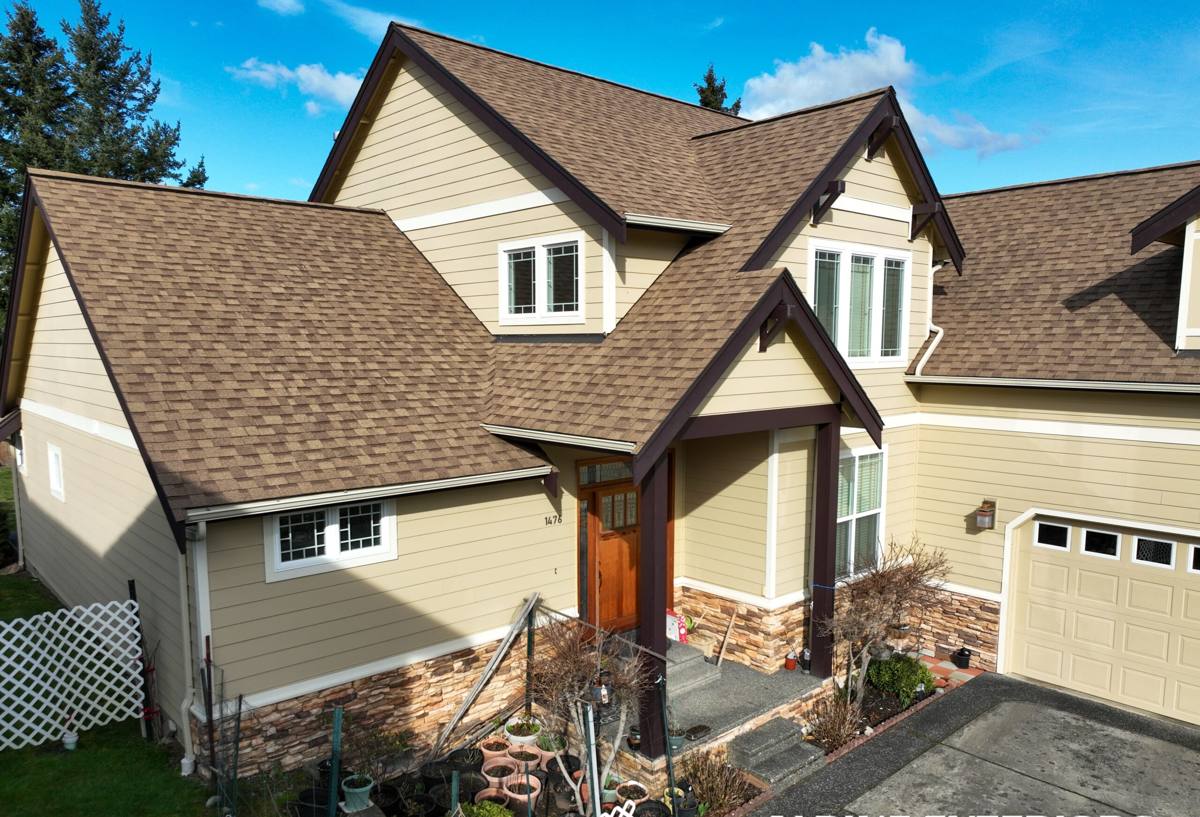
What This Looks Like on an Actual House
Most of the calls we get from Downtown Sarasota homeowners aren't about a dramatic failure — they're about small signs that add up. Recognizing them early saves money, because a window problem caught at the seal-failure stage is a repair, and the same problem left alone for a few more storm seasons becomes a full replacement.
- Fogging or a permanent haze between panes — the seal on a double-pane unit has failed and moisture is trapped inside the glass
- Windows that are hard to open, stick, or don't latch flush — frame warping from heat and humidity cycling
- Visible corrosion or white powdery residue on aluminum frames or hardware — salt air oxidation
- Drafts or a whistling sound during windy conditions — deteriorated weatherstripping or a frame that's no longer square
- Water staining on the interior wall or sill after heavy rain — the flashing or sealant has failed and wind-driven rain is getting behind the frame
- Noticeably higher cooling bills without a change in usage — single-pane or old low-E glass losing its thermal performance
Any one of these is worth a look. Several at once usually means the windows are past the point where caulk and weatherstripping fix the problem.
What Downtown Sarasota Homes Actually Need in a Window
Sarasota County falls within Florida's coastal wind-borne debris region, which means new and replacement windows in and around downtown are generally required to meet impact standards under the Florida Building Code — either impact-rated glass or an approved protective system. We install to meet those code requirements as a baseline, not as an upsell, because a window that isn't rated for the wind and pressure loads here is a liability in the next storm, full stop.
Impact-Rated Glass
Impact windows use a laminated glass interlayer, similar in concept to a windshield, so the glass can crack under debris impact without opening a hole in the building envelope. Beyond storm protection, the laminated layer also blocks a significant amount of UV transmission and cuts outside noise — both genuinely useful in a downtown setting with more traffic and pedestrian activity than a quiet residential subdivision.
Frame Material
We install vinyl and aluminum frames depending on the home. Quality vinyl resists salt corrosion entirely since there's no metal to pit, and it doesn't conduct heat the way aluminum does, which helps with cooling costs. Aluminum frames are stronger for larger openings and are common in condo and commercial-adjacent construction downtown, but they need a factory finish rated for coastal exposure or the corrosion problem just comes back in a few years. We'll tell you honestly which fits your specific house rather than pushing one material for every job.
Low-E Coatings
A low-emissivity coating reflects solar heat before it enters the glass. In a market with this much direct sun, that coating is doing real work on your air conditioning bill year-round, not just in summer.
Comparing Window Options for a Coastal Downtown Home
| Factor | Impact Vinyl | Impact Aluminum | Non-Impact + Shutters |
|---|---|---|---|
| Salt air resistance | Excellent — no metal to corrode | Good with coastal-rated finish; needs upkeep | Depends on frame material chosen |
| Wind-borne debris protection | Built in, always active | Built in, always active | Only when shutters are deployed |
| UV/heat performance | Strong, non-conductive frame | Good glass performance, frame conducts heat | Varies by glass package |
| Upfront cost | Moderate to higher | Higher, especially large openings | Lower window cost, added shutter cost |
| Day-to-day convenience | No action needed before a storm | No action needed before a storm | Manual deployment required each time |
There's no universally "right" answer here — it depends on your budget, your window sizes, and whether you want storm prep to be a non-event. We'll walk through the honest trade-offs for your specific home rather than steering you toward the highest-margin option.
How We Approach a Downtown Sarasota Window Job
Older downtown homes and condo units come with their own quirks — out-of-square openings from decades of settling, historic-district or HOA aesthetic requirements, tight lot lines that limit staging space, and in some cases shared walls or limited elevator access for condo work. We measure and plan for the actual opening in front of us, not a textbook one.
- On-site assessment of every opening, including frame condition, squareness, and any water intrusion already present behind the wall
- Product selection based on your home's exposure, HOA or historic-review requirements if applicable, and budget — with the trade-offs explained plainly
- Proper flashing and sealant integration with your home's existing wall assembly, not just a frame dropped into the old opening
- Installation by our crew, not a subcontractor we've never worked with
- Final inspection and a walkthrough so you know what you're looking at if something ever needs attention down the road
Why a Local Crew Matters Here
Window installation in this part of Florida isn't generic carpentry — it's an envelope detail with real consequences if it's done wrong. A crew that works Sarasota County regularly knows how the wind-borne debris requirements get enforced locally, has already dealt with the kind of aluminum-and-stucco construction common in older downtown homes, and understands what condo associations typically expect in terms of exterior appearance and approval paperwork. That's not something an out-of-town installer picks up on a single job.
It also matters after the install. If a seal ever fails or a storm causes damage, you want a company that's still local, still answering the phone, and standing behind its own work — not a name that only shows up during storm season to sell and disappears once the crew is done.
Windows Are Part of a Bigger Envelope
We don't only do windows — we handle siding, roofing, and decks, and we mention that here because these systems aren't really separate problems on a coastal home. A window that leaks can rot the wall assembly behind it. A roof that's shedding water improperly can push moisture down into a window header. A deck attached to the house shares the same exposure to sun, salt, and wind-driven rain. When we're on-site for a window job, we're looking at the whole envelope, because fixing one component while ignoring an obviously failing one next to it doesn't actually solve the problem.
Keeping Windows in Good Shape Between Replacements
Whether your windows are five years old or thirty, a little regular attention slows down what the coastal climate is trying to do to them.
- Rinse frames and tracks periodically to clear salt residue before it settles into hardware and seals
- Inspect caulking and weatherstripping each year, ideally before hurricane season
- Check for soft spots or staining on interior sills and walls after major storms
- Lubricate hardware on operable windows to prevent binding from humidity swings
- Don't ignore a single foggy pane — isolated seal failures are cheaper to address early than as part of a larger project
Get a Straight Answer on Your Windows
If you're not sure whether your Downtown Sarasota home needs a repair, a partial replacement, or a full upgrade to impact-rated windows, we're happy to take a look and give you a straightforward assessment — no pressure, no inflated storm-season sales pitch. Reach out for a free estimate using the form below.