 Sarasota Window
 Roof Repair Built for Bee Ridge, Not a Generic Climate
Bee Ridge sits inland enough from the coast to feel a little removed from salt air and beach weather, but make no mistake — this is still Sarasota County, and the roof over a Bee Ridge home takes the same abuse as roofs closer to the water. Intense year-round UV breaks down roofing materials from above. Wind-driven rain during summer storms and hurricane season finds every weak seam, nail pop, and flashing gap. Humidity keeps moisture in play for months at a time. And salt-laden air, carried inland on Gulf breezes, still reaches fasteners, flashing, and metal components even several miles from the shoreline.
Roof repair in this environment isn't a one-size-fits-all job. A patch that would hold up fine in a dry, mild climate can fail within a season here if it doesn't account for how Sarasota's heat, humidity, and storm patterns actually behave. This page covers what Bee Ridge homeowners specifically need to know about roof repair — what typically goes wrong, what a correct repair involves, and why local experience matters as much as the materials used.
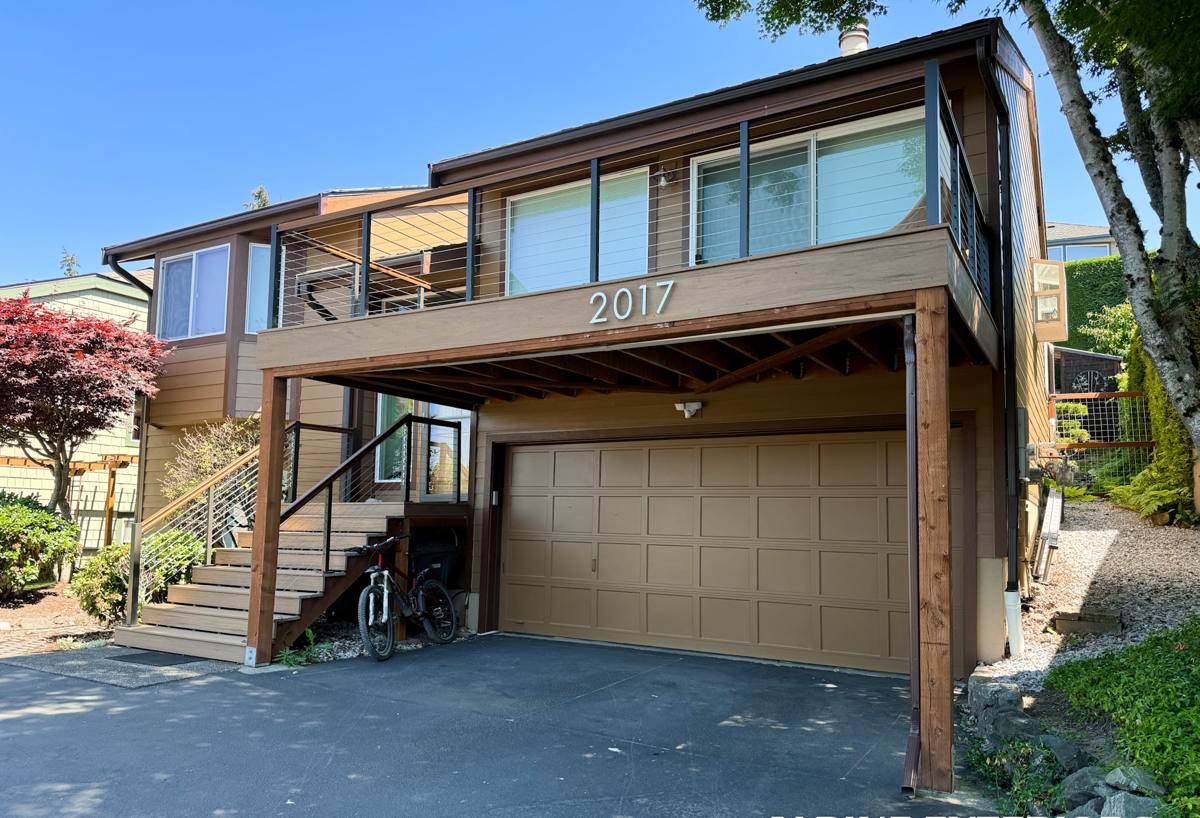
What Roof Damage Looks Like on a Bee Ridge Home
Most roof repair calls in this neighborhood fall into a handful of recognizable categories. Knowing what to look for helps you catch problems while they're still small and inexpensive to fix.
Common Warning Signs
- Dark streaking, staining, or granule loss on shingles, especially on south- and west-facing slopes that take the most direct sun
- Curling, cracking, or lifted shingle edges after repeated heat-and-rain cycles
- Cracked or slipped tiles on tile roofs, often after a windstorm
- Rust streaks or corrosion around metal flashing, vents, or fasteners
- Water stains on interior ceilings or in the attic, particularly near chimneys, skylights, or wall-roof intersections
- Soft spots or sagging in the roof deck when walked on or inspected from the attic
- Missing or lifted shingles/tiles after a storm, even if no leak has shown up yet
- Granules collecting in gutters or at downspout outlets
None of these on their own means the whole roof is failing. But each one is a sign that a specific area needs attention before the next heavy rain or wind event turns a small issue into a ceiling repair.
Why Sarasota's Climate Is Harder on Roofs Than It Looks
UV Exposure
Sarasota gets a high number of sun-heavy days per year, and roofing materials absorb that punishment constantly. Asphalt shingles lose oils and granules over time, becoming brittle and less able to shed water. Tile and metal handle UV better structurally but still suffer at the sealants, adhesives, and fasteners that hold everything together — those components age faster than the roofing material itself.
Wind-Driven Rain
Florida rain rarely falls straight down. During thunderstorms and tropical systems, wind pushes rain sideways and even slightly upward under eaves and flashing. A repair that only addresses the surface — without correctly re-sealing laps, flashing, and underlayment transitions — will often hold in a light rain and fail in a wind-driven one.
Hurricane-Force Wind Events
Sarasota County sits squarely in a hurricane-prone region. Even when a storm doesn't make direct landfall nearby, the wind bands that reach inland communities like Bee Ridge are enough to lift marginal shingles, crack tiles, or work fasteners loose. Roofs that were already weakened by sun and moisture are the ones most likely to suffer real damage when a storm does come through.
Salt Air and Humidity
Salt-bearing air travels well inland from the Gulf, and combined with Sarasota's humidity, it accelerates corrosion on any exposed metal — nails, screws, flashing, vent stacks, and drip edge. Corroded fasteners are one of the most common hidden causes of leaks that seem to appear "out of nowhere."
What a Correct Roof Repair Actually Involves
A roof repair that's done right isn't just about covering the visible problem. It requires understanding how water actually moves across a roof and where it's likely to intrude if the fix is incomplete.
Diagnosis Before Repair
We start by identifying the actual source of the problem, not just the symptom. A stain on a ceiling can originate several feet away from where the water actually entered, since it travels along the underlayment or decking before dripping through. Chasing the visible stain instead of the real entry point is one of the most common reasons repairs fail to hold.
Matching the Repair to the Roofing System
| Roof Type | Typical Repair Focus in This Climate | Key Failure Points |
|---|---|---|
| Asphalt shingle | Replacing damaged shingles, resealing exposed nails, restoring flashing seals | UV-brittled shingles, wind-lifted edges, worn pipe boots |
| Concrete or clay tile | Replacing cracked/slipped tiles, repairing underlayment beneath tile, resealing ridge and hip caps | Cracked tiles from wind debris, failed underlayment under sound-looking tile |
| Metal panel | Resealing fastener penetrations, addressing corrosion, correcting panel seams | Fastener backout, sealant breakdown, rust at cut edges |
| Flat or low-slope | Patching membrane, resealing seams and penetrations, correcting ponding areas | Seam separation, UV-degraded membrane, poor drainage |
Flashing and Penetrations Get Priority
The majority of leaks we find don't come from open roof field — they come from flashing around chimneys, skylights, vent pipes, and roof-to-wall intersections. A repair that replaces shingles or tiles but ignores aging flashing and sealant is treating half the problem.
Deck and Structure Check
Where there's been an active leak for any length of time, we check the roof deck underneath for soft or delaminated wood before closing the repair back up. Repairing over a compromised deck looks fine for a while and then fails again, usually at the worst possible time.
Our Repair Process
- Inspection and diagnosis — We walk the roof (or inspect via ladder and attic access where a walk isn't safe) to trace the actual source of damage, not just the visible symptom.
- Honest assessment — We tell you plainly whether this is a targeted repair, a larger repair, or a sign that replacement should be on the table, along with the reasoning.
- Written scope and estimate — You know exactly what's being repaired and why before any work starts.
- Repair execution — Matching materials, correct fastening for wind resistance, and proper flashing/sealant work at every penetration involved.
- Verification — We check the repaired area and surrounding roof for other developing issues before calling the job complete.
Repair or Replace? How We Help You Decide
Not every roof problem calls for a full replacement, and not every roof problem should be patched indefinitely either. We give homeowners a straight answer based on the roof's age, condition, and how widespread the damage actually is.
| Factor | Leans Toward Repair | Leans Toward Replacement |
|---|---|---|
| Roof age | Under roughly half its expected service life | Nearing or past its expected service life |
| Damage extent | Isolated to one area or a few components | Spread across multiple sections or slopes |
| Underlying deck condition | Sound, no soft spots found | Soft, delaminated, or repeatedly wet |
| Repair history | First or infrequent repair | Same areas repaired multiple times already |
| Storm exposure | Minor wind or debris event | Direct hurricane-force wind impact or widespread lifting |
When repair is the right call, we do it correctly rather than as a stopgap. When replacement genuinely makes more sense, we'll say so rather than stacking patches on a roof that's past the point of cost-effective repair.
Why Local, Bee Ridge-Familiar Experience Matters
A roof repair crew that regularly works Bee Ridge and the surrounding Sarasota area understands the practical realities that generic advice misses: how quickly afternoon storms roll in and how that affects scheduling and tarping, which roofing systems tend to show up on homes built during different eras of local development, and how HOA or neighborhood expectations around appearance can factor into material and color choices for a repair.
Just as important is response time. When a storm passes through and a homeowner discovers a leak, the gap between the damage occurring and a tarp or repair going on matters. A crew already working in the area can typically respond faster than one dispatching from farther away, which limits secondary damage to insulation, drywall, and interior finishes.
Local familiarity also means we've seen how repairs done incorrectly for this climate tend to fail — sealants that weren't rated for constant UV exposure, flashing details that work in drier climates but not under Sarasota's wind-driven rain, fasteners that corrode faster than expected in the humidity. We build repairs around what actually holds up here, not generic textbook methods.
Maintaining a Repaired Roof in This Climate
A good repair extends a roof's life, but ongoing care keeps that repair — and the rest of the roof — performing as it should.
- Have the roof visually inspected after any significant wind event, even if no leak is obvious right away
- Keep gutters and downspouts clear so water doesn't back up under roof edges
- Trim back tree limbs that overhang the roof to reduce debris impact and abrasion
- Check the attic periodically for signs of moisture, staining, or daylight coming through the deck
- Address small issues — a lifted shingle, a cracked tile, a gap in sealant — before the next storm season rather than after
- Keep a record of prior repairs so any contractor working on the roof understands its history
What to Expect When You Call Us
We assess the roof, explain what we find in plain terms, and give you a written estimate before any work begins. If the issue is minor, we'll tell you that too — we're not interested in selling a bigger job than a Bee Ridge roof actually needs. If storm damage is involved, we can also help document the damage in a way that's useful if you're filing an insurance claim, though the claim itself is handled between you and your insurer.
Every estimate is free and comes with no pressure to commit on the spot. If you're seeing signs of roof damage — a stain on the ceiling, missing shingles after a storm, cracked tiles, or just a roof that's due for a checkup after another Florida summer — reach out and we'll take a straightforward look and walk you through your options using the form below.