 Sarasota Window
 Why Siding Wears Out Faster in Bee Ridge
Bee Ridge sits inland from the coast but still lives inside Sarasota County's full weather envelope — the same hurricane-force wind exposure, the same relentless UV load, and enough proximity to the Gulf that salt-laden air reaches homes on the prevailing breeze even miles from the water. Siding here isn't decorative trim. It's the primary barrier standing between your framing and four separate stresses working on it at once: wind pressure trying to pull panels loose, UV radiation breaking down pigments and resins, wind-driven rain forcing water sideways into every gap and seam, and salt air accelerating corrosion on fasteners and trim.
Most siding products are engineered and tested somewhere else — a factory spec written for a milder climate, then shipped to Florida and installed the same way it would be in Ohio. That mismatch is where premature failure starts. A siding replacement in Bee Ridge needs to be treated as a system built for this specific exposure, not a cosmetic swap of old boards for new ones.
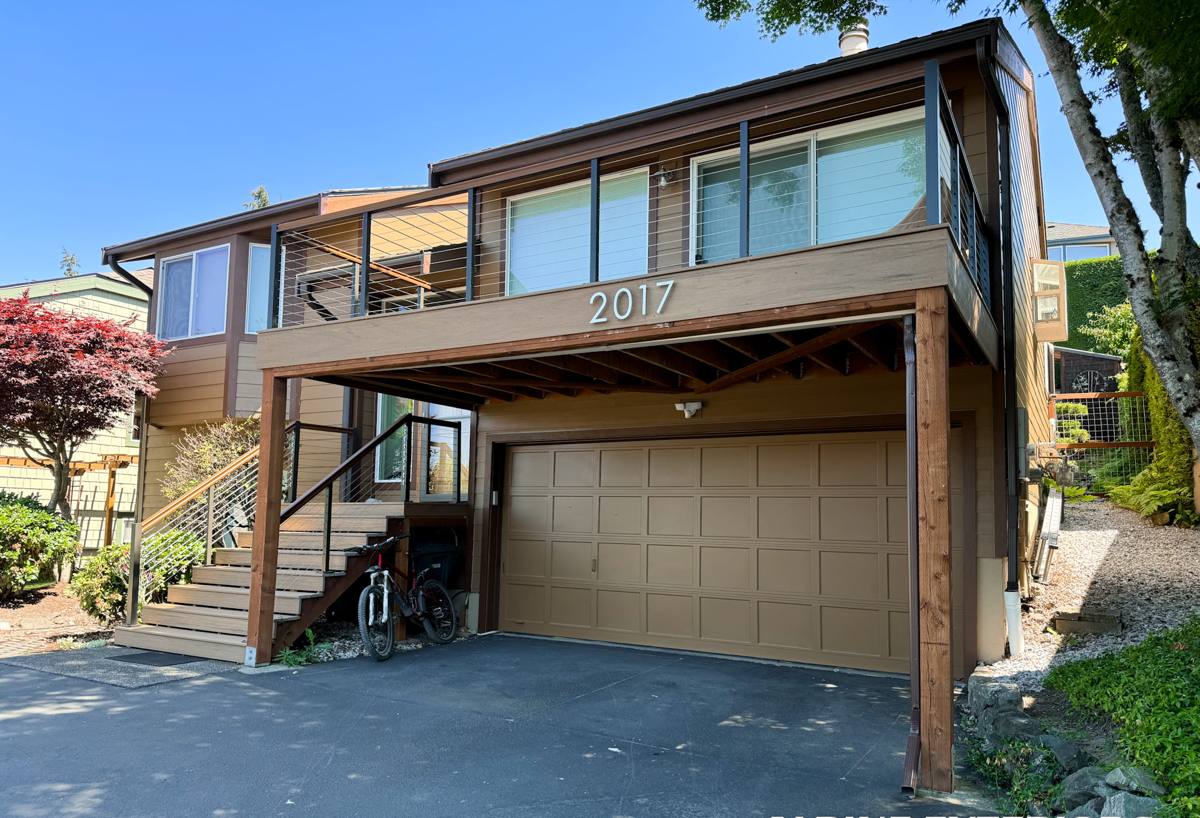
How to Tell a Bee Ridge Home Actually Needs Replacement
Not every siding problem calls for a full tear-off. But certain signs mean patching is just delaying a bigger failure, especially once wind-driven rain has found its way behind the cladding:
- Soft or spongy spots when you press on the siding, especially near the bottom courses and around window and door trim
- Visible buckling, warping, or panels that have pulled away from the wall line
- Paint that won't hold anymore — chalking, peeling, or blistering within a year or two of a repaint
- Rust streaking below fasteners or corner trim
- A musty smell along exterior walls, or soft drywall on the interior side of an exterior wall
- Visible gaps at seams, corners, or where siding meets windows, doors, or the roofline
- Siding that's more than 20-25 years old and has never been fully inspected behind the surface
If you're seeing two or more of these, it's worth having someone open up a small test section rather than guessing. What looks like a cosmetic issue from the driveway is often moisture damage that's been building behind the panels for years.
What a Correct Siding Replacement Actually Involves
A siding replacement done right is not just removing old panels and nailing up new ones. In a wind and moisture environment like Sarasota County, the work happening underneath the visible surface matters as much as the finished look:
Full Tear-Off and Substrate Inspection
Old siding comes off down to the sheathing so the crew can actually see what's there — soft wood, hidden rot, prior water damage, or areas where framing needs attention before anything new goes up. Covering over existing damage with new siding just hides the problem for another few years.
Weather-Resistive Barrier and Drainage Plane
A correctly installed water-resistive barrier and drainage plane behind the siding gives any moisture that gets past the outer surface a way to drain back out instead of sitting against the wall assembly. This layer matters more in a wind-driven rain climate than almost anywhere else in the country.
Flashing at Every Penetration
Windows, doors, hose bibs, light fixtures, vents — every penetration through the siding is a potential entry point for wind-driven rain. Correct flashing detail at each one is what separates a job that lasts decades from one that leaks within a couple of storm seasons.
Fastening to Wind Load
Fastener type, spacing, and placement all need to match the manufacturer's engineered wind-load requirements for our zone — not a generic install pattern. Under-fastened siding is one of the most common causes of wind damage in Florida homes after a tropical storm or hurricane.
Trim, Caulking, and Finish
Corner boards, trim, and caulking are finished to shed water rather than trap it, and the final coating is matched to the product so it can actually stand up to year-round UV rather than chalking out in a season or two.
Why We Only Install James Hardie Fiber Cement
We made a deliberate decision years ago to install one siding system — James Hardie fiber cement — rather than offering a menu of products. That's not a marketing position; it's a standard built around what actually holds up under Sarasota County's specific combination of wind, UV, rain, and salt exposure.
| Material | How It Handles This Climate | Why We Don't Install It |
|---|---|---|
| Vinyl siding | Lightweight and inexpensive, but softens and can deform in extreme heat and is more prone to cracking or blowing off in high wind | Wind and heat performance falls short of what hurricane-exposed homes need long-term |
| LP SmartSide (engineered wood) | Wood-based product with a resin coating; performs reasonably where moisture exposure is moderate | Wood-based core is more sensitive to sustained moisture intrusion in a wind-driven rain climate |
| Primed spruce / cedar | Traditional look, but natural wood requires disciplined ongoing maintenance to resist rot and insects | Maintenance burden is high, and salt air and humidity accelerate wear on natural wood |
| James Hardie fiber cement | Non-combustible, dimensionally stable in heat, engineered HZ product lines built for high-wind, high-moisture climates | This is what we install — it matches the demands of this specific climate |
James Hardie's HZ5 product line is specifically engineered for climates like ours — hot, humid, and hurricane-exposed. The factory-applied ColorPlus finish is baked on rather than field-painted, which matters directly for UV resistance: it holds color and resists fade far longer than a job-site paint job exposed to Florida sun year-round. Fiber cement also doesn't feed a fire and doesn't attract termites or wood-boring insects, both real considerations in this part of Florida.
Our Process for a Bee Ridge Siding Replacement
Every home is different, but the sequence we follow doesn't change:
- On-site assessment — we walk the exterior, check for soft spots, inspect trim and penetrations, and identify areas of likely hidden damage before any quote is written
- Written scope and product selection — we walk you through the relevant Hardie profile and color options and put the full scope of work in writing, no vague line items
- Full tear-off — old siding and any compromised sheathing come off and get replaced before anything new is installed
- Weather barrier and flashing installation — the drainage plane and flashing details go in before a single piece of visible siding is hung
- Hardie installation to manufacturer and wind-load spec — fastening pattern, spacing, and clearances all follow Hardie's engineered requirements for our wind zone
- Trim, caulking, and final finish — details are finished to shed water, not just to look clean on installation day
- Final walkthrough — we go around the home with you before calling the job complete
What Drives the Cost of a Siding Replacement
Every home and every quote is different, but the same handful of factors drive most of the cost variation we see on Sarasota County siding jobs:
| Factor | Why It Matters |
|---|---|
| Extent of hidden damage | Rotted sheathing or framing found during tear-off adds repair scope that can't be known until the old siding is off |
| Home size and wall complexity | More corners, dormers, and trim details mean more labor and material per square foot of coverage |
| Siding profile chosen | Lap siding, panel siding, and shingle-style Hardie products carry different material and labor costs |
| Number of penetrations | Windows, doors, vents, and fixtures each require flashing work, which adds labor time |
| Trim and accessory scope | Corner boards, frieze boards, and soffit work can be bundled into the same project or handled separately |
We won't quote a number without seeing the home. Anyone offering a firm price over the phone for a Bee Ridge home they haven't walked is skipping the step that actually determines the real scope.
Why Local Experience in Bee Ridge Actually Matters
A crew that already works in this part of Sarasota County knows things a general contractor pulling from a national playbook won't — how the local wind exposure and building code requirements apply to siding attachment, what the common construction types and ages look like in this area, and how to sequence a job around Florida's rainy season so a home isn't sitting open to the weather longer than necessary. That local familiarity shows up in fewer surprises during tear-off, tighter scheduling around weather windows, and a finished install that's actually built for the conditions it has to survive here — not just to look good on installation day.
It also means faster response if something needs attention after the job is done. A crew with an ongoing presence in the area isn't disappearing after the final invoice.
Maintaining Your New Siding After Installation
James Hardie fiber cement is low-maintenance compared to wood or vinyl, but "low-maintenance" isn't "no-maintenance" in this climate. A simple annual routine keeps it performing the way it's designed to:
- Rinse the siding once or twice a year to clear salt residue and airborne grime before it builds up
- Inspect caulking at trim, windows, and doors annually and re-caulk any joints that have opened up
- Check for any impact damage after major storms, particularly from windblown debris
- Keep irrigation heads and sprinklers from spraying directly onto the siding surface
- Trim back vegetation that holds moisture against exterior walls
None of this is labor-intensive, but skipping it entirely shortens the life of any siding product, including the best one on the market.
If your Bee Ridge home is showing signs it's time to replace the siding, we're happy to come take a look and give you an honest, no-pressure estimate — no obligation, no hard sell, just a straight assessment of what your home actually needs.