 Sarasota Window
 Bee Ridge Roofs Take a Real Beating
Bee Ridge sits inland from the Gulf, which spares it the direct salt spray that coastal Sarasota neighborhoods deal with, but it doesn't spare it much else. This is still Sarasota County, and that means the same hurricane-force wind events, the same relentless year-round UV load, and the same wind-driven rain that can force water sideways under roofing materials that were never designed for it. Add in the mature oak canopy common to Bee Ridge's older, established streets, and you get a specific combination of risks: limb strikes during wind events, granule loss and shingle fatigue from sun exposure, and debris that clogs valleys and gutters right when the roof needs to shed water fastest.
None of this means Bee Ridge roofs fail more often than roofs anywhere else in the region. It means storm damage here tends to show up in a particular pattern — wind-lifted shingle edges on the windward side of the house, bruised or punctured shingles under tree cover, and water intrusion at flashing points that only becomes obvious after a few storms have worked at it. A repair that doesn't account for that pattern tends to fail again at the next storm.
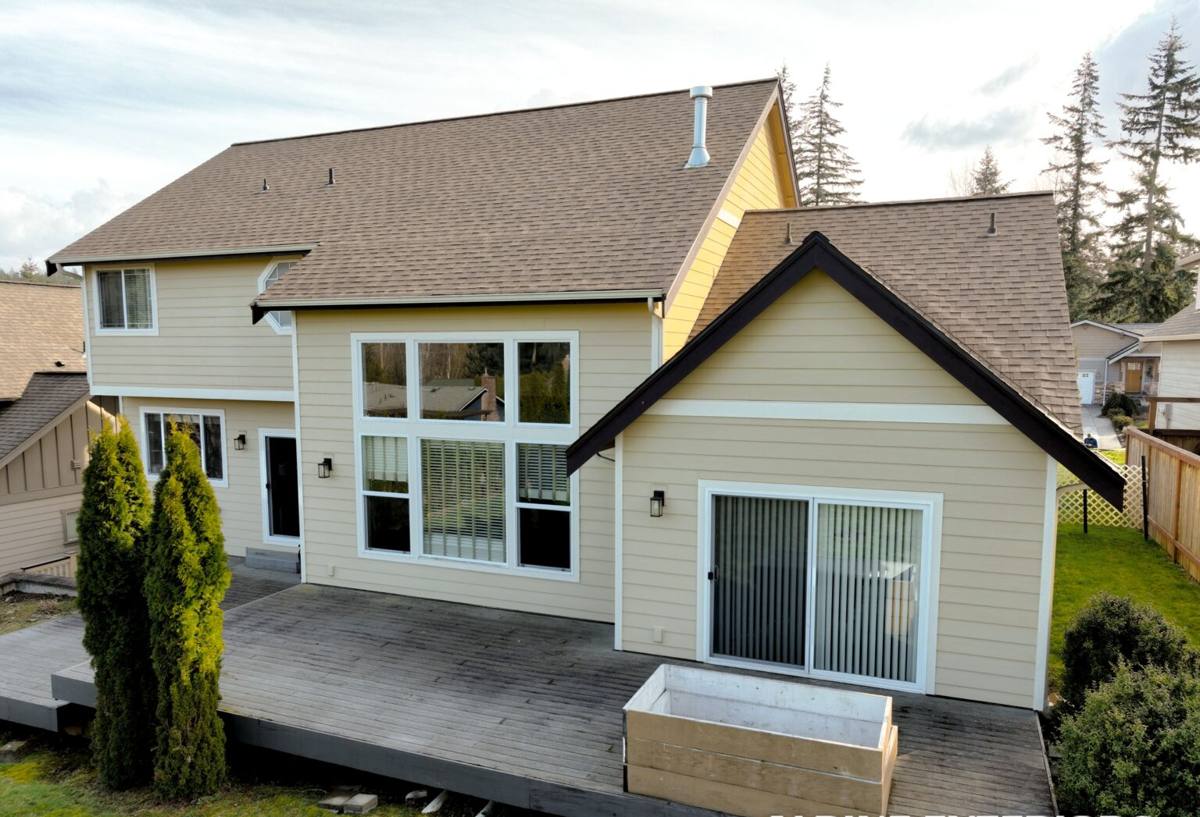
Signs Your Roof Has Storm Damage
Some storm damage is obvious from the ground. A lot of it isn't, and the roofs that end up with interior water stains, rotted decking, or mold in the attic are usually the ones where early, smaller damage went unnoticed for a season or two. After any significant wind or rain event, it's worth checking for:
- Shingles that are lifted, curled, cracked, or missing entirely, especially near ridges, edges, and valleys
- Bald or granule-stripped patches where the shingle surface looks darker or shinier than the rest of the roof
- Dented, creased, or torn flashing around chimneys, vent pipes, and skylights
- Sagging sections, which can indicate saturated or weakened decking underneath
- Gutters, downspouts, or soffits pulled loose or dented from wind and debris
- Water stains, discoloration, or a musty smell in the attic or on interior ceilings
- Granules collecting in gutters or at downspout outlets after a storm
Any one of these on its own might not mean much. Two or three together, especially after a named storm or a severe thunderstorm cell, are worth a professional look before the next round of weather finds the weak spot for you.
What a Proper Storm Damage Repair Actually Involves
Inspection Before Anything Gets Touched
A repair that starts without a full inspection is a repair that's guessing. That means walking the roof (not just looking from a ladder at the edge), checking every plane and valley, and inspecting flashing, penetrations, and the attic side of the deck where accessible. Storm damage rarely stays confined to the spot you can see from the driveway — wind doesn't work that way, and neither does water once it finds a gap.
Temporary Protection First
If there's active or likely water intrusion, the first job is stopping it, not scheduling the permanent fix. That usually means tarping exposed decking or securing loose material so the interior of the home isn't taking on more damage while the repair is planned and materials are sourced. This step gets skipped by contractors trying to move fast to the next job, and it's usually the homeowner who pays for that shortcut in drywall and insulation.
Matching Materials and Proper Flashing
Storm repairs fail most often at the seams — literally. New shingles that don't match the existing course height or exposure, flashing that gets reused instead of replaced, or underlayment that isn't properly lapped will hold for a while and then leak at the first wind-driven rain. A correct repair ties new material into old cleanly, replaces flashing rather than caulking over it, and respects the manufacturer's install specs so the warranty (yours and ours) actually means something.
Checking What's Underneath
Shingles are the part everyone sees, but decking and underlayment are what actually keep water out. Any repair that involves removing storm-damaged shingles should include a check of the decking underneath for soft spots, delamination, or rot, and a look at the underlayment condition nearby. Covering damaged decking with new shingles and calling it done is how a small storm repair turns into a bigger interior problem two years later.
Repair or Replace? How We Make That Call
Not every storm-damaged roof needs a full replacement, and not every roof can be reasonably patched. The right call depends on the roof's age, how widespread the damage is, and what condition the decking is in once we can see it.
| Factor | Points Toward Repair | Points Toward Replacement |
|---|---|---|
| Roof age | Well within its expected service life | Already near or past its expected lifespan |
| Extent of damage | Isolated to one or two areas or slopes | Spread across multiple planes or the whole roof |
| Decking condition | Solid, dry, no soft spots found | Rot, delamination, or repeated soft spots |
| Shingle matching | Same product line still available or close match | Discontinued product, mismatch would be visible |
| Prior repair history | First significant repair on this roof | Multiple past patches already in place |
We'll walk you through where your roof lands on that list before recommending either path — not before, and not based on a drive-by look from the street.
Our Storm Damage Repair Process in Bee Ridge
- Inspection and documentation. We walk the roof, photograph the damage, and note the specific cause and location of each problem area.
- Written scope and estimate. You get a clear explanation of what's damaged, what needs to happen to fix it correctly, and what it costs — no vague line items.
- Emergency mitigation, if needed. Tarping or securing exposed areas happens before scheduling the full repair, if the roof is actively vulnerable.
- The repair itself. Matching materials, correct flashing, and a check of the decking underneath any removed shingles.
- Final walkthrough. We show you what was done and where, so you're not left guessing what you paid for.
Insurance Claims: What Bee Ridge Homeowners Should Know
A lot of storm damage repair work in Florida runs through a homeowner's insurance claim, and the paperwork can matter as much as the repair itself. Good documentation — clear photos of the damage tied to a specific storm date, a written scope of work, and an itemized estimate — is what turns a claim into a paid claim instead of a denied one. We document damage the way an adjuster needs to see it, not just the way a homeowner would casually photograph it.
We're not a public adjuster and we don't negotiate your policy for you, but we will give you an honest, detailed assessment of what's actually wrong with the roof, separate from what might be convenient to claim. That distinction matters — a repair scoped accurately holds up under review; one padded to match a deductible usually doesn't.
Why Local Experience in Bee Ridge Matters
A contractor who works Sarasota County roofs regularly knows what a typical Bee Ridge roof assembly looks like, what shingle lines are common in the area's housing stock, and what a legitimate wind or hail damage pattern looks like versus normal wear from years of Florida sun. That familiarity shortens the inspection, sharpens the estimate, and means fewer surprises once a repair is underway. It also means someone who can respond promptly after a storm passes through the area, rather than a crew working from out of the region with a multi-week backlog before they can even look at the damage.
After the Repair: Protecting Your Investment
A storm repair is a good moment to also address the smaller maintenance items that make the next storm less damaging. Clearing overhanging limbs away from the roofline, keeping gutters clear so water sheds properly during heavy rain, and having the roof checked after any future major wind event are simple habits that extend the life of both the repair and the roof around it. None of this prevents storm damage entirely — nothing does, in this climate — but it reduces how often small damage turns into a bigger repair.
If your Bee Ridge roof took a hit in a recent storm, or you're just not sure whether what you're seeing is worth worrying about, we're happy to take a look. Reach out for a free, no-pressure estimate using the form below — we'll give you a straight answer about what's going on and what, if anything, needs to be done.