 Sarasota Window
 Why Board & Batten Holds Up Differently in Bradenton
Board & batten has become one of the most requested siding profiles for homes near Bradenton, and it's not just about the look. The vertical lines and shadow depth give a home real architectural character, whether it's on a farmhouse-style build, a Craftsman bungalow, or a modern coastal remodel. But style is only half the equation. In this part of Sarasota County, siding has to survive hurricane-force wind gusts, near-constant UV exposure, wind-driven rain that finds every gap in a wall assembly, and salt-laden air drifting in off the Gulf. A board & batten installation that isn't detailed correctly for this climate will show it within a few seasons — cupping boards, failed caulk lines, and moisture creeping in behind the battens.
We install board & batten for Bradenton homeowners as a full system: substrate, moisture management, fastening pattern, and finish all engineered to work together in this specific environment, not just a stack of boards nailed up to match a photo.
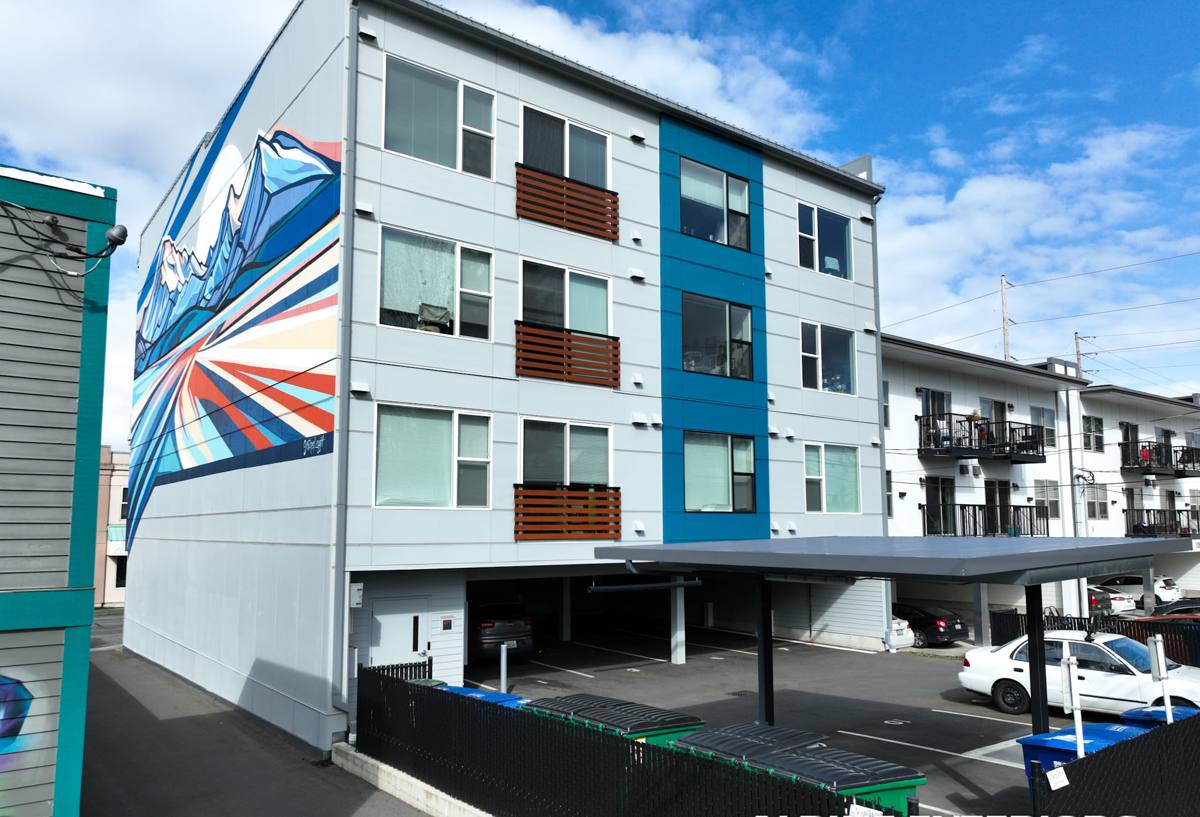
What Board & Batten Siding Actually Is
Board & batten alternates wide flat panels (the "boards") with narrower strips (the "battens") covering each seam. The result is a strong vertical rhythm that reads as more custom than standard lap siding, and it pairs well with horizontal siding as an accent on gables, dormers, and porch elements — a combination we see a lot of interest in around Bradenton's mix of older ranch homes and newer builds.
Traditional vs. Panelized Board & Batten
Old-school board & batten was built board by board on site, which meant more seams, more fasteners, and more places for water to get behind the assembly. Modern fiber cement systems use engineered panels with a factory-milled batten profile, so the reveal is consistent and the number of field seams drops significantly. For a climate that sees heavy, wind-driven rain, fewer field seams is a real durability advantage, not just a labor shortcut.
Where It Makes the Most Sense
Full-elevation board & batten looks striking on smaller Bradenton homes and additions where the vertical lines make the structure feel taller. On larger homes, we often see it used as an accent — gable ends, a bump-out, a garage face — paired with horizontal Hardie lap siding on the main walls. Either way works structurally; it comes down to what fits the home's design.
What a Correct Installation Actually Involves
Board & batten is less forgiving of shortcuts than standard lap siding, because the battens create more overlap points and more fastener locations low on the wall where wind-driven rain concentrates. A correct job in this climate includes:
Moisture Barrier and Drainage Plane
Every board & batten job we do starts with a continuous water-resistive barrier and a drainage gap behind the panels, so any moisture that does get past the surface has somewhere to go besides the sheathing. This matters more here than in drier climates, because Sarasota County's humidity and rain volume don't give trapped moisture much chance to dry out on its own.
Fastening for Wind Uplift
Battens and panels both need to be fastened according to a schedule that accounts for the wind pressures this area actually sees — not the minimum spacing that's easiest to install. We follow manufacturer fastening specs tied to local wind zone requirements, which affects nail spacing, panel overlap, and how corners and openings are detailed.
Sealed Penetrations and Trim Transitions
Every point where the siding meets a window, door, roofline, or utility penetration is a potential leak path. Correct flashing and sealant work at these transitions matters as much as the field installation — it's usually where problems start on jobs that were rushed.
Why We Install James Hardie Fiber Cement — Not Vinyl or Wood — for Board & Batten
Board & batten is available in vinyl, engineered wood, real wood, and fiber cement. We install James Hardie fiber cement exclusively, and for this specific profile, the reasons matter even more than usual.
Vertical board & batten holds water differently than horizontal lap siding — rain runs down the face and can sit longer at each batten reveal. Vinyl board & batten expands and contracts with heat, which can loosen its fastening over time and make long vertical runs look wavy in direct sun. Real wood and primed wood-composite battens are attractive but require ongoing paint and caulk maintenance to keep water out of end grain and seams, and Florida's humidity accelerates that maintenance cycle.
James Hardie's fiber cement board & batten panels (including their HardiePanel vertical siding system) are non-combustible, dimensionally stable in heat and humidity, and finished with the ColorPlus factory paint process — a baked-on finish that resists fading and chipping far better than field-applied paint, which matters under this region's year-round UV load. Hardie's HZ5 product line is engineered specifically for high-humidity, high-moisture climates like ours. We don't install other board & batten materials because we've seen how they perform here over time, and we'd rather stand behind one system we know holds up than sell homeowners something we know needs more upkeep.
Material Comparison for Bradenton Board & Batten Projects
| Material | Wind/Impact Resistance | Moisture Behavior | Maintenance | Typical Lifespan |
|---|---|---|---|---|
| James Hardie Fiber Cement | Strong, rated for high-wind installation | Non-combustible, engineered for humid climates | Low — factory finish, occasional wash | 30+ years |
| Vinyl | Can crack or loosen in high winds | Doesn't absorb water, but panels can warp in heat | Low, but limited repair options once faded | 15-25 years |
| Engineered Wood (LP-type) | Moderate | Vulnerable at cut edges if not sealed properly | Moderate — edge sealing and paint upkeep | 15-25 years |
| Real Wood | Moderate, dependent on species and install | Prone to swelling, rot without diligent upkeep | High — regular paint, caulk, inspection | 10-20 years with upkeep |
Our Process for a Bradenton Board & Batten Project
Every job follows the same sequence, whether it's a full-home re-side or an accent installation on a gable and porch:
1. On-Site Assessment
We inspect the existing siding, sheathing, and trim for moisture damage before quoting anything, since hidden rot changes the scope of the job.
2. Tear-Off and Substrate Check
Old siding comes off, and we check the sheathing underneath for soft spots or prior water intrusion — this is the point where problems that have been hidden for years usually surface.
3. Weather Barrier Installation
A continuous, correctly lapped water-resistive barrier goes on before any siding, giving the wall assembly a real second line of defense.
4. Board & Batten Installation to Spec
Panels and battens go up following Hardie's fastening schedule and local wind-zone requirements, with attention to reveal consistency and vertical alignment.
5. Trim, Flashing, and Sealant Detailing
Every transition — windows, doors, corners, roofline — gets properly flashed and sealed before final finish work.
6. Final Walkthrough
We walk the job with the homeowner before calling it done, so nothing gets missed.
Keeping Board & Batten Siding Looking Right in This Climate
James Hardie board & batten needs very little upkeep compared to wood or vinyl, but a little seasonal attention goes a long way in a salt-air, high-UV environment:
- Rinse the exterior with a garden hose a few times a year to clear salt residue and dust, especially on homes closer to the water
- Inspect caulking around windows, doors, and trim annually and re-seal any cracked or shrunken beads
- Check for staining or discoloration near roof lines and gutters, which can signal a drainage issue rather than a siding problem
- Keep landscaping and sprinklers from directly soaking the base of the wall, which shortens the life of any siding material
- Have loose or damaged panels repaired promptly after storm events rather than waiting, since exposed edges are where moisture gets in
Why Local Experience with Bradenton Homes Matters
Board & batten installation quality comes down to details that don't show up in a quote — fastening schedules matched to actual wind exposure, flashing details suited to how rain behaves on a vertical profile, and knowing how the local permitting process treats siding replacement versus new construction. A crew that already works in and around Bradenton and greater Sarasota County has already worked through these details on other homes with similar exposure, framing, and age. That experience shows up in fewer callbacks and a job that's still performing well years after installation, not just on day one.
Is Board & Batten the Right Choice for Your Home?
Board & batten isn't the right fit for every house, and it's worth an honest conversation before committing. It tends to work best as a full-elevation choice on smaller or more modern homes, and as an accent on gables, dormers, or entry features on larger or more traditional homes. If your current siding is showing gaps at seams, soft spots near the base, or paint that's failed faster than it should, that's usually a sign the existing material or installation wasn't suited to this climate to begin with — which is exactly the kind of mistake a properly detailed Hardie board & batten system is built to avoid.
If you're considering board & batten siding for a home in the Bradenton area, we're happy to take a look and walk you through what's realistic for your specific house. Reach out for a free, no-pressure estimate using the form below.