 Sarasota Window
 Board & Batten Siding for Homes in The Meadows
Board and batten has become one of the most requested siding styles in The Meadows, and it's easy to see why. The vertical lines read as clean and a little more modern than lap siding, it pairs well with the mix of ranch, contemporary, and traditional homes throughout the neighborhood, and it works equally well as a full exterior or as an accent on gables, entries, and garage walls. But board and batten is also a style that punishes a poor installation faster than most others. Get the substrate, fastening, and joint details wrong and you're looking at cupping, streaking, and moisture problems within a few years — especially here, where the siding is dealing with more than just sun.
This page covers what board and batten siding needs to hold up in The Meadows specifically, what a correct installation actually involves, and why we only install it in James Hardie fiber cement.
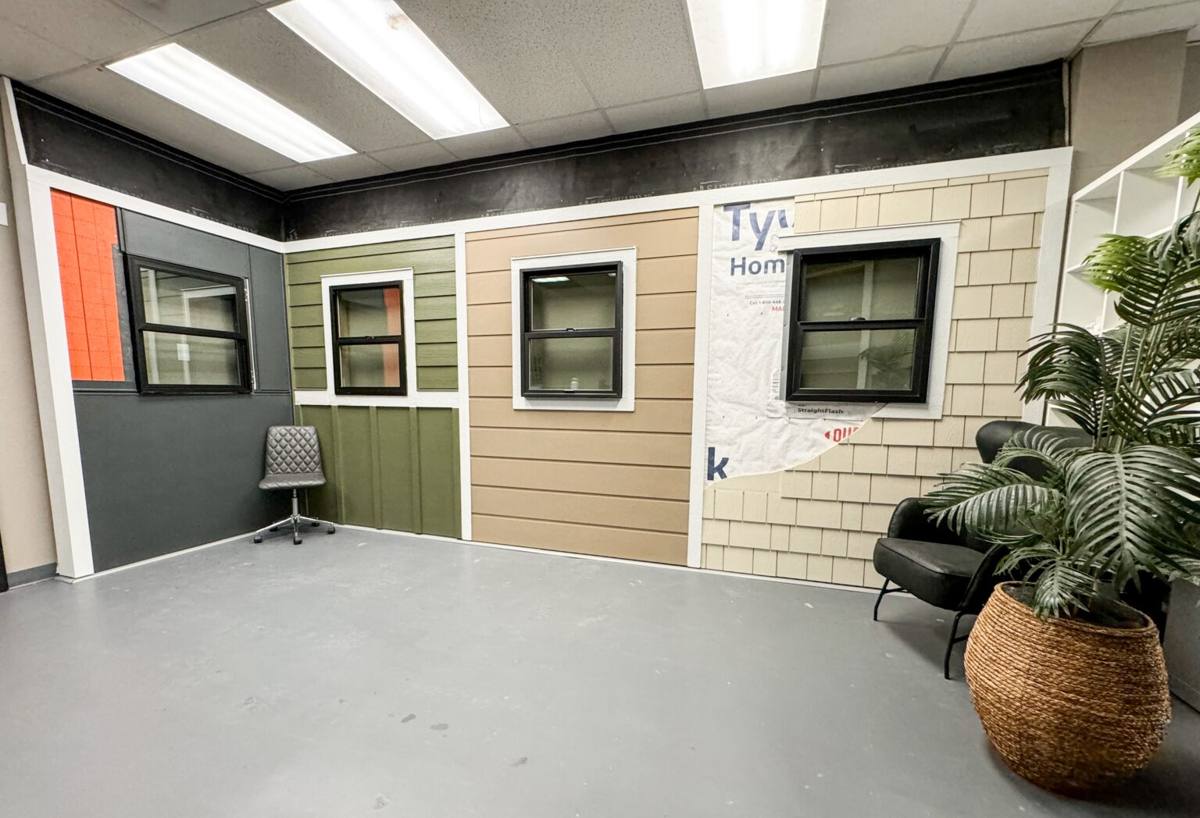
What The Meadows' Climate Does to Vertical Siding
Sarasota's climate is hard on any siding, but board and batten has a few characteristics that make certain problems worse if the product or the install isn't right.
Wind-driven rain finds vertical seams
Board and batten relies on battens covering the seams between boards to shed water. In a straight lap siding profile, gravity does most of the work. On a vertical profile, wind-driven rain during Gulf storms and summer thunderstorms can be pushed sideways and upward into those seams if the flashing, battens, and gaps aren't detailed correctly. A batten that's caulked shut instead of properly lapped, or a board that wasn't given room to move, becomes a place for water to collect rather than run off.
UV and heat cycling
Sarasota County sees intense, near-constant UV exposure and daily heat-humidity swings. Siding materials that aren't dimensionally stable expand and contract with that cycling, which opens hairline gaps at seams and fastener points over time. That movement is exactly what board and batten's narrow vertical boards are most sensitive to.
Salt air and humidity
The Meadows sits inland from the coast, but Sarasota's marine air still carries salt and moisture that reaches every neighborhood in the county. Combined with the shaded, humid microclimate under the neighborhood's mature tree canopy in many sections, siding here stays damp longer after rain than it would in a more open, sun-exposed lot. Materials and coatings that aren't built for sustained moisture exposure show it first in board and batten's narrow, closely-spaced boards.
Wind load
Hurricane-force wind events are a real design consideration for any exterior work in this county, not a hypothetical. Vertical board profiles have more individual fastening points and seams than wide lap siding, which means correct fastener schedule and substrate attachment matter even more to keep the assembly performing as a system in a wind event.
Why We Only Install James Hardie Board and Batten
Board and batten is available in several materials — vinyl, engineered wood, various fiber cement brands, even primed solid wood. We've made the decision to install James Hardie fiber cement exclusively, and it's a decision that matters more on a vertical profile than almost any other siding style.
| Factor | What It Means on Board and Batten |
|---|---|
| Non-combustible | Fiber cement doesn't contribute fuel to a fire the way wood-based products do — relevant for insurance and long-term risk, not just code. |
| Dimensional stability | Hardie's engineered composition resists the swelling and shrinking that opens seams in humidity-cycling climates like Sarasota's. |
| Factory-applied ColorPlus finish | Baked-on finish resists UV fade and chipping better than field-applied paint, especially on narrow boards with more edges exposed. |
| HZ5 climate engineering | Hardie's HZ product line is formulated for high-humidity, high-moisture regions — built for exactly the conditions Sarasota homes see year-round. |
| Transferable warranty | A meaningful warranty backing the product and finish, which matters if you sell the home down the road. |
We're not going to tell you every alternative is unusable — vinyl board and batten is inexpensive and low-maintenance in mild climates, and engineered wood has real design flexibility. But in a coastal-influenced, hurricane-exposed county, we've seen enough of the maintenance burden, moisture behavior, and installation sensitivity of those alternatives that we no longer put them on homes we stand behind. Fiber cement, installed correctly, is the product we trust to still look right in fifteen years.
What a Correct Board and Batten Installation Involves
A lot of board and batten problems we get called out to inspect trace back to a handful of install shortcuts. Here's what we do differently.
Substrate and weather barrier
Every project starts with a continuous, correctly lapped weather-resistive barrier and properly integrated flashing at every penetration, window, and door. Board and batten depends on this layer more than lap siding because the vertical seams give water more direct paths inward if the barrier underneath isn't right.
Board spacing and fastening
Hardie boards need room to expand and contract — we follow manufacturer-specified gapping and fastener schedules rather than cinching everything down tight, which is a common mistake that leads to buckling.
Batten placement
Battens need to properly overlap the seam beneath them with enough reveal to allow drainage, not just be nailed flush and caulked. Caulk is a backup, not the primary water management strategy.
Corners, trim, and penetrations
Outside corners, window and door trim, and any wall penetrations (vents, hose bibs, light fixtures) are where vertical siding installations most often fail. We flash and seal these individually rather than relying on the field of siding to compensate.
Fastener corrosion resistance
Given the salt-influenced air across Sarasota County, we use fasteners rated for coastal/humid exposure — a detail that's invisible once the job is done but determines whether streaking and staining shows up around every nail in a few years.
Our Process for The Meadows Projects
- On-site assessment — we look at your home's current siding condition, substrate, sun and shade exposure, and any moisture or damage already present.
- Design and material plan — board width, batten spacing, reveal, trim details, and James Hardie color selection, matched to your home's style and any HOA or architectural guidelines in your section of The Meadows.
- Written estimate — clear scope, materials, and timeline before any work starts.
- Tear-off and substrate inspection — we don't cover up rot, damaged sheathing, or a compromised weather barrier; problems get addressed before new siding goes up.
- Installation to manufacturer spec — barrier, flashing, board and batten install, and finish detailing, done in the sequence that actually protects the wall assembly.
- Final walkthrough — we go over the finished work with you before calling the job complete.
Why a Crew That Already Works The Meadows Matters
Board and batten installation isn't exotic, but doing it well in this specific environment takes more than a general contractor's siding know-how. A crew that regularly works in The Meadows and similar Sarasota neighborhoods already understands:
- How shaded, tree-covered lots hold humidity longer and what that means for drying time and moisture detailing
- What wind exposure and storm patterns in this part of Sarasota County actually demand from fastening and flashing
- The mix of architectural styles in the neighborhood and how board and batten proportions should be adapted to each
- Local permitting and inspection expectations for exterior work in Sarasota County
- How to sequence a project around Florida's rainy season so open walls aren't left exposed longer than necessary
That local familiarity shows up in fewer surprises mid-project and a finished product that's actually built for where it's installed, not just built to a generic spec.
What to Check Before You Hire Anyone for This Job
- Are they licensed and insured to do exterior work in Sarasota County?
- Do they specify the exact board width, batten spacing, and reveal in writing, or leave it vague?
- Will they show you their flashing and weather-barrier detailing plan, not just the finish color?
- Do they disclose what substrate condition they found once tear-off starts, and address it before covering it up?
- Is the fastener schedule and material spec actually James Hardie manufacturer-approved, not just "fiber cement"?
- Do they offer a real warranty on both material and labor, in writing?
Cost Factors to Understand Up Front
| Factor | Why It Affects Price |
|---|---|
| Full exterior vs. accent application | Whole-home board and batten costs more than using it as a gable or entry accent over lap siding. |
| Substrate condition | Rot, damaged sheathing, or an outdated weather barrier found at tear-off adds necessary repair work. |
| Home height and complexity | Multiple stories, dormers, and cut-in windows increase labor and trim detailing time. |
| Board width and batten spacing chosen | Narrower boards mean more seams, more battens, and more labor hours than wider board spacing. |
| Color and finish selection | ColorPlus factory finishes vs. field-applied paint carry different material costs. |
We won't quote a number without seeing the home, but we'll always walk you through what's driving the price before you commit to anything.
Get a Free Estimate for Your Home in The Meadows
If you're considering board and batten siding for a home in The Meadows, we're glad to come take a look, walk the exterior with you, and put together a straightforward written estimate — no pressure, no obligation. Use the form below to get started.