 Sarasota Window
 Decks on Siesta Key Face a Tougher Environment Than Most
Siesta Key sits right up against the Gulf, which means every deck on the island deals with a combination of stresses that inland decks in Sarasota County rarely see at the same intensity. Salt-laden air corrodes fasteners and hardware faster than fresh air does. Intense, near-constant UV exposure breaks down wood fibers and degrades the surface finish on composite boards. Wind-driven rain during summer storms and hurricane season pushes moisture into joints, seams, and end grain that would otherwise stay dry. None of this means a deck can't last on Siesta Key — it means the repair work has to account for that environment, not just patch what's visible on the surface.
We repair decks throughout the Siesta Key area with that reality in mind. A repair that would hold up fine on a shaded, inland Sarasota lot can fail within a season near the water if it doesn't address moisture intrusion, fastener corrosion, and UV exposure specifically.
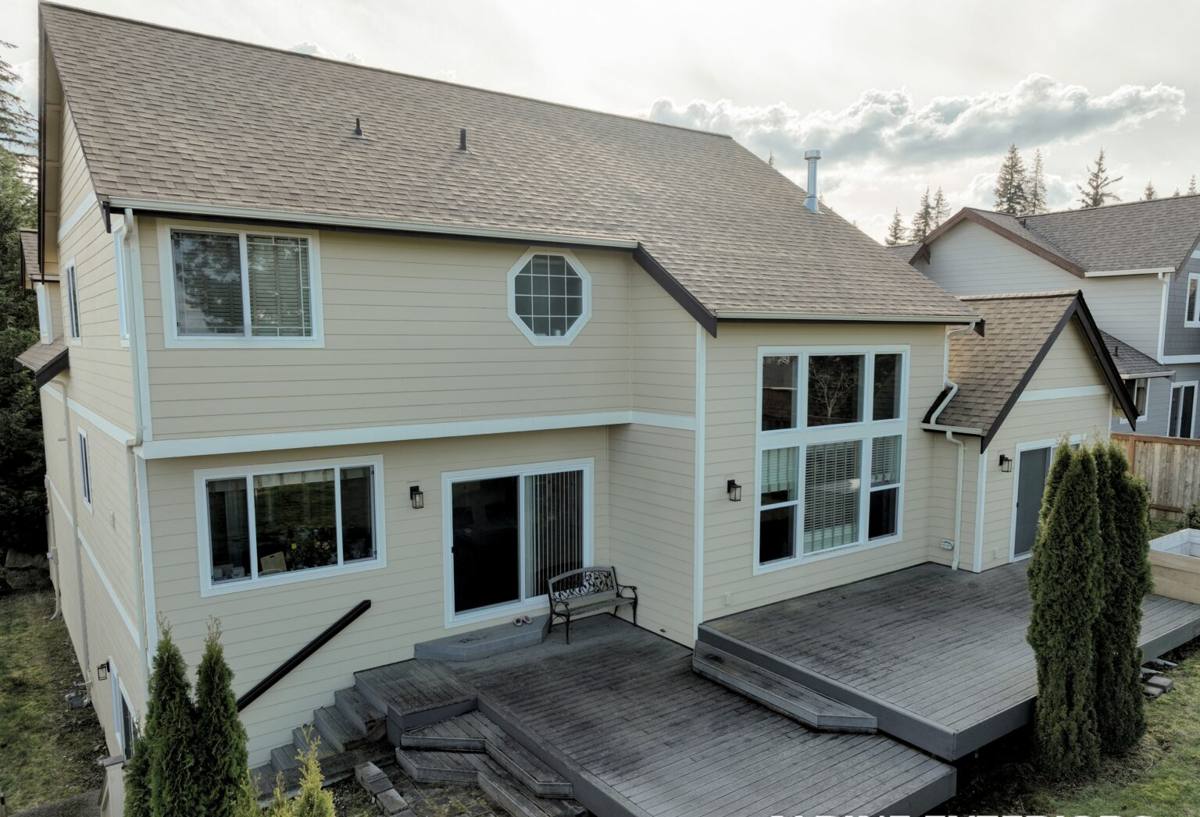
Signs Your Deck Needs Repair — And What They Usually Mean
Most deck problems don't show up as obvious structural failure. They start small and get worse under repeated sun and moisture cycles. Here's what we look for and what it typically points to:
- Soft or spongy boards — usually moisture has gotten into the wood and rot has started, even if the surface looks intact.
- Rust streaking around fasteners — a sign the hardware is corroding, which weakens the connection long before the board itself fails.
- Gaps or movement where boards meet the frame — often means the ledger board or joists have shifted or begun to deteriorate.
- Splitting or checking on the wood surface — typically UV and heat-cycling damage, which lets water in faster once it starts.
- Fading, chalking, or surface degradation on composite decking — expected over time, but can signal the cap layer has worn through in high-sun spots.
- Wobble in railings or posts — a safety issue first, and often traced back to a corroded or loosened connection at the base.
Some of these are cosmetic and can wait. Others — especially anything involving structural framing, railings, or stair connections — should be looked at promptly, since they affect safety, not just appearance.
Repair or Replace? How We Make That Call
Not every deck problem calls for tearing the whole structure out. A large share of the repair work we do on Siesta Key involves replacing individual boards, sistering or reinforcing damaged joists, re-securing ledger connections, and swapping out corroded hardware — all without touching a sound frame. But there's a point where patch repairs stop making sense.
We generally recommend replacement, or at least a larger rebuild, when the frame itself — the ledger board, joists, or support posts — shows widespread rot or corrosion rather than isolated spots. Repairing decking boards on top of a compromised frame just means paying for the same repair again in a year or two. Our assessment always starts with the frame, not the visible boards, because that's what actually determines whether a repair will hold.
What We Check During an Assessment
- Ledger board attachment to the house and flashing condition behind it
- Joist condition, spacing, and any signs of rot or sagging
- Post and footing stability
- Fastener and hardware condition, including any galvanic corrosion between mismatched metals
- Railing and stair connection integrity
- Drainage and airflow underneath the deck
Wood vs. Composite: What Repair Looks Like for Each
Siesta Key has a mix of both wood and composite decking, and the repair approach — and the honest trade-offs — differ between them.
| Factor | Wood Decking | Composite Decking |
|---|---|---|
| Typical repair | Board replacement, sanding, re-sealing, framing repair | Board replacement (matching color can be harder on older lines), hidden fastener repair |
| Moisture behavior | Absorbs and releases moisture; needs sealing to manage this | Doesn't absorb moisture into the board itself, but frame underneath still can rot |
| UV exposure | Grays and checks without regular refinishing | Fades over time; cap-layer boards resist this better than uncapped |
| Maintenance burden | Higher — periodic cleaning, sanding, and sealing | Lower — cleaning only, no sealing |
| Salt air impact | Accelerates fastener corrosion and finish breakdown | Board itself holds up well; hardware and frame still at risk |
Neither material is the "wrong" choice for a Gulf-front property — each just requires a different maintenance rhythm. What matters more than the decking material itself, in our experience, is the quality and corrosion-resistance of the frame, fasteners, and flashing underneath it, since that's what fails first regardless of what's on top.
Why Fasteners and Hardware Matter as Much as the Boards
A repair that only replaces damaged decking boards while leaving corroded fasteners in place is a short-term fix. In a coastal environment like Siesta Key, we use fasteners and structural connectors rated for coastal or marine-grade corrosion resistance, and we're careful about mixing metals — dissimilar metals in contact with each other, combined with salt air and moisture, accelerate corrosion through galvanic reaction. This is a detail that's easy to overlook and a common reason repairs on coastal homes fail faster than expected.
Our Deck Repair Process
- On-site assessment. We inspect the frame first, then the surface, checking for the issues listed above before recommending any work.
- Honest scope of work. We tell you plainly what needs repair now, what's worth monitoring, and what would be replacement rather than repair — no upselling beyond what the deck actually needs.
- Repair execution. This may include board replacement, joist sistering or reinforcement, ledger and flashing correction, hardware upgrades, and railing or stair reattachment, depending on scope.
- Finish work. For wood, that means sanding and sealing exposed repair areas to match the surrounding deck. For composite, it means fitting and finishing replacement boards cleanly.
- Final walkthrough. We go over what was done and what maintenance, if any, will help the repair last.
What Deck Repair Typically Costs — and What Drives the Range
Every deck is different, so we don't quote a number without seeing the deck, but the factors below are what actually move the price up or down.
| Cost Factor | Why It Matters |
|---|---|
| Extent of frame damage | Structural repair (joists, ledger) costs more than surface board replacement |
| Decking material | Composite board replacement can cost more per board than standard wood |
| Access and deck height | Elevated decks or limited access add labor time |
| Hardware and fastener upgrades | Coastal-grade hardware costs more than standard-grade but lasts longer here |
| Railing and stair condition | Safety-related repairs are often necessary rather than optional |
| Size of repair area | Isolated repairs cost less than a section-wide rebuild |
We'll walk the deck with you, point out what we find, and give you a clear scope and price before any work starts.
Permits and Local Code Considerations
Depending on the scope of the work, deck repairs in Sarasota County — particularly anything involving structural framing, railings, or stairs — may require a permit and inspection. This isn't a formality to skip; it's there to make sure structural repairs on a coastal property actually meet the wind and safety standards the area calls for. We handle the permitting conversation as part of the process rather than leaving it for the homeowner to sort out separately.
After the Repair: Keeping It That Way
A good repair job holds up longer with a little basic upkeep, especially this close to the Gulf. A short, realistic maintenance routine goes a long way:
- Rinse off salt spray and debris periodically, especially after storms
- Keep an eye on fastener heads for early rust staining
- Reseal wood decking on a regular schedule rather than waiting for visible graying
- Make sure gutters and downspouts aren't dumping extra water onto or under the deck
- Check underneath the deck occasionally for standing water or poor airflow
- Address small issues — a loose board, a hairline split — before the next storm season rather than after
Why a Crew That Already Works Siesta Key Makes a Difference
Deck repair isn't the same job in every part of the country, or even every part of Sarasota County. A contractor who mostly works inland jobs may not think twice about standard-grade fasteners or skip the extra step of checking for galvanic corrosion between metals — details that matter a lot more a few blocks from the Gulf than they do further inland. Working regularly on Siesta Key means we're used to what salt air, constant sun, and wind-driven storms actually do to a deck over time, and we build the repair around that, not around a generic checklist.
If you've got a deck on or near Siesta Key that's showing wear, soft spots, loose railings, or just needs an honest look before the next storm season, we're happy to come take a look. The estimate is free, there's no pressure, and you'll get a straight answer about what your deck actually needs.