 Sarasota Window
 Building Decks for a Neighborhood That Sits Close to the Bay
Downtown Sarasota homes live close to Sarasota Bay, and that proximity shapes everything about how a deck should be built here. Salt-laden air moves inland off the water daily, UV exposure runs high nearly year-round, and the same tropical storms and hurricanes that threaten the coastline put real wind load on anything attached to a house. A deck built without those factors in mind may look fine the day it's finished and start showing problems within a season or two — loose fasteners, rusted hardware, cupped boards, or a railing that's flexed loose from its posts.
We build custom decks specifically with this environment in mind. That means selecting materials and hardware rated for coastal exposure, engineering connections for Florida's wind load requirements, and detailing the parts of the build — flashing, fasteners, footings — that don't show up in a finished photo but determine whether the deck is still solid in ten years.
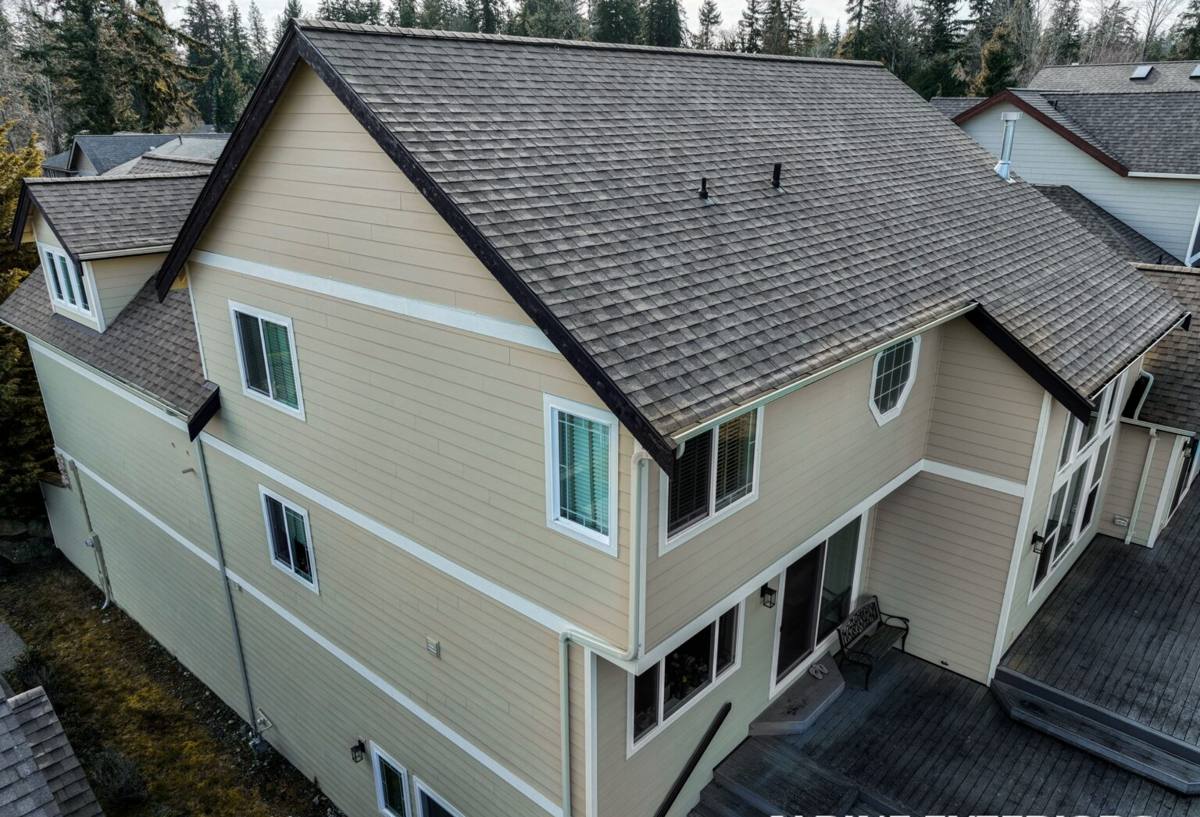
What a Deck in This Part of Sarasota Actually Needs
Wind and Structural Connections
Sarasota falls within Florida's wind-borne debris region, and the Florida Building Code sets minimum wind load standards for any structure attached to a home, decks included. That affects post spacing, beam sizing, and — most importantly — how the deck ties back to the house and down to the ground. Hurricane-rated joist hangers, properly sized ledger bolts, and post bases anchored to engineered footings aren't optional upgrades; they're what keeps a deck attached during a wind event instead of becoming debris itself.
Salt Air and Hardware Corrosion
Standard zinc-coated fasteners and hardware corrode faster near the coast than they would inland. Salt air accelerates rust at bolt heads, hanger connectors, and screw fasteners, and once corrosion starts on a structural connector, it's compromising the deck from the inside where you can't see it. We use stainless steel or hot-dip galvanized fasteners and connectors rated for coastal and treated-lumber contact, which costs more up front but avoids a hidden failure point a few years in.
Sun Exposure and Decking Material
Sarasota gets intense, direct sun for most of the year, and it's hard on decking surfaces. Uncapped composite and low-grade wood can fade, gray, or become brittle faster here than in a milder climate. Board choice matters more in this location than in many others — some materials handle UV and heat well, others don't, and that difference plays out over years, not months.
Rain, Drainage and Ledger Flashing
Wind-driven rain during storms doesn't fall straight down — it drives sideways and up under edges that a calmer climate might let you get away with skipping. Proper ledger flashing where the deck meets the house, correct board spacing for drainage, and grading that moves water away from footings all matter more here because the volume and force of rain during the wet season is higher than most of the country deals with.
Choosing the Right Decking Material for This Climate
There's no single "best" decking material — the right choice depends on budget, maintenance tolerance, and how much sun and salt exposure the specific spot on the property gets. Here's how the common options compare for a Downtown Sarasota property:
| Material | UV / Fade Resistance | Salt Air Resistance | Maintenance | Relative Cost |
|---|---|---|---|---|
| Pressure-treated wood | Fair — fades and grays without upkeep | Good if fasteners are corrosion-rated | Regular sealing/staining needed | Lowest |
| Tropical hardwood (e.g. ipe) | Good with periodic oiling | Very good — naturally dense | Periodic oiling for color retention | High |
| Uncapped composite | Fair — can fade or chalk over time | Good | Low — occasional cleaning | Mid |
| Capped composite / PVC | Very good — engineered for UV | Very good | Lowest — soap and water | Mid to high |
For homes near the bay with heavy sun exposure and salt air, we generally steer clients toward capped composite, PVC, or a dense hardwood — not because pressure-treated wood is a bad product, but because it demands more upkeep to hold up under this specific combination of sun and salt than most homeowners want to commit to.
Permits, Setbacks, and Working Within Sarasota County Rules
Any new deck attached to a home in Sarasota County requires a building permit, and the plans need to show compliance with current wind load requirements, proper footing depth for local soil conditions, and code-minimum railing height and baluster spacing if the deck is elevated. Downtown Sarasota lots often sit close to the bay, and some parcels fall within flood zones that affect how a structure can be elevated or anchored — that's determined property by property, not assumed across the board.
If the home is part of a condo association or a platted community with its own architectural review process, that adds another approval step before construction can start. We pull the required permits, handle the engineering documentation the county asks for, and account for setback and flood zone requirements as part of the design — not as an afterthought once the deck is already framed.
Designing a Deck That Fits Downtown Sarasota's Housing Mix
Downtown Sarasota has a mix of older bungalow-style homes, updated bay-adjacent properties, and newer infill construction, often on lots that are narrower than newer suburban developments. That affects deck design more than people expect — a deck that works on a quarter-acre lot with wide setbacks doesn't necessarily fit a tighter urban lot without some rethinking of footprint, stair placement, and where the deck ties into the house.
Elevation is another design factor specific to homes near the water — some properties are built up higher off grade than a typical inland home, which changes stair and railing requirements and can affect how the substructure is framed. We design around what's actually on the lot rather than applying a standard layout and hoping it fits.
How We Approach a Downtown Sarasota Deck Project
- Site visit and assessment — we look at sun exposure, drainage, existing structure, and any flood zone or elevation factors specific to the property.
- Design and material selection — layout, decking material, and hardware are chosen together based on exposure, not picked independently.
- Permitting and engineering — we prepare and submit what Sarasota County requires, including wind load and footing documentation.
- Construction — framing, coastal-rated fasteners, ledger flashing, and code-compliant railings, built in that order and inspected at the right stages.
- Final walkthrough — we go over the finished deck and what upkeep it actually needs before we consider the job done.
Why It Matters to Hire a Crew That Already Works This Area
A contractor who mainly builds inland, away from the coast, may not default to corrosion-rated hardware or think through flood zone and elevation questions unless prompted. A crew that regularly works Downtown Sarasota and the surrounding bay-adjacent neighborhoods already knows what the county permitting process expects, what soil and drainage conditions look like on these lots, and which materials actually hold up here versus which ones look fine on a spec sheet but underperform in this specific mix of sun, salt, and storm exposure. That local familiarity shows up in fewer surprises during permitting and a deck that's still solid well past year one.
What a Correctly Built Deck Should Include
- Engineered footings sized for local soil and wind load requirements
- Stainless steel or hot-dip galvanized fasteners and connectors throughout
- Hurricane-rated joist hangers and properly bolted ledger connection
- Correct ledger flashing to keep wind-driven rain out of the house structure
- Decking material matched to sun and salt exposure at that specific location
- Railings and baluster spacing built to current Florida Building Code height and gap requirements
- Board spacing and substructure grading that lets water drain instead of pool
- All required Sarasota County permits pulled and inspected before completion
Caring for Your Deck After It's Built
Even a well-built deck in this climate benefits from basic seasonal attention: rinsing off salt residue and pollen buildup, checking fastener heads and railing connections after major storms, and keeping an eye on any wood elements that need periodic sealing or oiling. Composite and PVC decking need very little beyond regular cleaning, which is part of why they're a common choice for lower-maintenance coastal properties. Whatever material you choose, we'll walk you through exactly what it needs so there are no surprises down the road.
If you're considering a custom deck for a Downtown Sarasota home, we're happy to take a look at your property and put together a straightforward, no-pressure estimate — just fill out the form below.