 Sarasota Window
 New-Construction Windows Are a Different Job Than Replacement
Most window calls we get in Sarasota are replacements — swapping an old unit out of an existing opening. New-construction work is a different trade skill entirely. These are windows going into a home while it's still framed open: a teardown-rebuild, a new build on an infill lot, an addition, or a condo shell before the exterior finish goes on. Downtown Sarasota has a steady mix of all three right now, from single-family infill near the historic neighborhoods that ring the core to larger rebuilds and mid-rise residential projects closer to the bay.
The difference matters because a new-construction window isn't just set into a hole and caulked. It has a nailing fin that gets integrated into the wall's water-resistive barrier before stucco, siding, or brick veneer ever goes on. Get that sequence wrong and the mistake gets buried behind the exterior finish, where it won't show up as a problem for years — usually as a stain on drywall or a soft spot in a sill long after the crew that installed it has moved on to the next job.
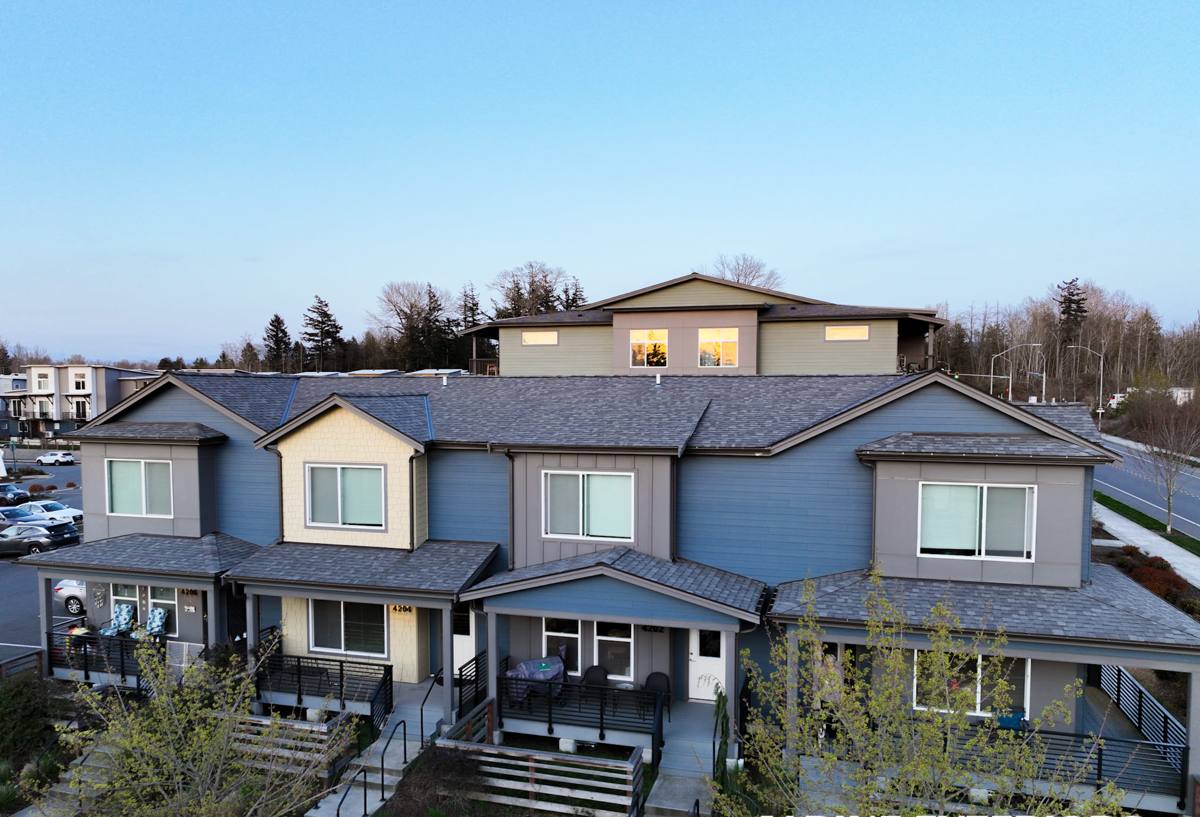
What Downtown Sarasota's Climate Asks of a New Window
A window installed correctly in Ohio can still fail here if it's not built and installed for this coastline. Four things do most of the damage over time in Sarasota County:
- Hurricane-force wind. Downtown Sarasota sits in a windborne debris region under the Florida Building Code, which means new openings generally need to be either impact-rated glazing or protected by approved shutters — this isn't optional on new construction, it's part of what gets permitted.
- Intense, year-round UV. Florida sun is harder on window frames, seals, and interior finishes than most of the country sees. Vinyl that isn't UV-stabilized chalks and goes brittle faster here; low-quality Low-E coatings fade or haze under sustained exposure.
- Wind-driven rain. Sarasota storms don't just drop rain straight down — wind pushes it sideways and up under sills and around trim. A window that only sheds water in a calm rain will leak here the first time a real storm rolls through.
- Salt air. Downtown Sarasota's proximity to the bay and the Gulf means airborne salt is a constant, low-grade attack on hardware, fasteners, and untreated aluminum. It doesn't take a beachfront lot to feel it — a few miles inland is still coastal air.
None of these are exotic problems. They're the normal operating conditions for a window in this part of Florida, and a new-construction install has to be planned around them from the first fastener, not patched afterward.
Florida Building Code, Wind Loads, and Permitting
New windows in Sarasota County get permitted, and the permit reviews against the current Florida Building Code — which means every window on the job needs a valid Florida product approval (or Miami-Dade NOA accepted by the state) rated for the wind pressures calculated for that specific building. Wind pressure isn't the same for every wall of a house: corner zones and upper floors typically see higher pressures than a sheltered mid-wall opening, so the correct window rating can vary by location on the same structure.
On new construction this gets tied into the framing and window-buck inspection before the exterior finish closes it up, so there's little room to fix a mismatched or incorrectly installed unit later without tearing back into the wall. We pull product approval documentation for every window on a job and match it against the engineered wind load for that opening before it goes in — not after an inspector flags it.
A quick note on terminology, since it comes up: Sarasota County is not in Florida's official High-Velocity Hurricane Zone (that designation is Miami-Dade and Broward). It is in the windborne debris region, which carries its own impact or shutter-protection requirement. The code paperwork is different from South Florida's, and a crew that only knows the HVHZ rules can get the Sarasota requirements wrong in both directions — over-speccing product you don't need, or missing a requirement you do.
Getting the Install Sequence Right
Sill Pans and Flashing, Before the Window Ever Sets
Every new-construction opening should get a sloped sill pan and integrated flashing before the window sets into it — this is what gives any water that does get past the window a path back out instead of into the wall cavity. Skipping this step or flashing it in the wrong order relative to the water-resistive barrier is one of the most common causes of hidden rot in new Florida construction, and it's invisible once the stucco or siding goes on.
Nailing Fin Integration With the Weather Barrier
The window's nailing fin has to be lapped correctly with the house wrap or building paper — top flap over, side and bottom flaps under — so water always sheds down and out, never behind the barrier. This sounds simple; on a real job site with multiple trades and tight schedules, it's the step most likely to get rushed.
Fastener and Sealant Compatibility
Salt air punishes the wrong fastener fast. We use corrosion-resistant fasteners rated for coastal exposure, and we match sealant chemistry to the window frame material — the wrong sealant can fail to bond properly or degrade the frame finish over a few Florida summers, which shows up as a leak path that looks like a product defect but is really an installation mismatch.
Frame Material and Glass Package
New construction gives you a real choice on frame material, since you're not constrained by an existing opening. Each option handles Sarasota's climate differently:
| Frame Material | Salt Air / Corrosion | Heat & UV Behavior | Typical Use |
|---|---|---|---|
| Vinyl (UV-stabilized) | Not affected by salt corrosion; good baseline durability | Quality matters — cheap vinyl can warp or chalk under constant sun | Most common choice for single-family new construction |
| Aluminum | Needs a marine-grade finish near the bay; raw aluminum corrodes faster in salt air | Handles heat well structurally; can conduct more exterior heat inward | Common on condo and mid-rise projects, narrow sightline designs |
| Fiberglass / composite | Excellent corrosion resistance, holds up well long-term in coastal air | Very stable under UV and heat cycling | Higher up-front cost, chosen where longevity matters most |
Glass matters as much as frame. Impact-rated laminated glass is standard for openings that aren't shutter-protected, and a good Low-E coating cuts heat gain significantly in a climate where the air conditioner runs most of the year. We'll walk through what glass package fits your project's exposure and budget rather than defaulting to whatever's easiest to stock.
How We Work on a Downtown Sarasota New-Construction Project
New-construction windows get installed on a schedule set by the general contractor's framing timeline, not on our own timeline. That means coordination matters as much as installation quality:
- We review the plans and wind load engineering with the builder before ordering, so every window is specified correctly for its position on the building — not a single generic spec for the whole house.
- We confirm product approvals and lead times early. Impact-rated windows built to a specific wind pressure aren't always sitting on a shelf, and a late order can hold up a framing inspection.
- We show up on the framing schedule the builder needs, not around it, and flash and set each opening in the correct sequence relative to the weather barrier.
- We document the install for the inspector — product approval labels, flashing photos where useful — so the framing or window-buck inspection isn't held up by paperwork gaps.
Whether you're a homeowner managing your own rebuild or a general contractor bringing us in as the window sub, the goal is the same: windows that pass inspection the first time and don't come back as a warranty call after the exterior finish is already closed up.
Why a Local Downtown Sarasota Crew Matters
New construction has more moving parts than a replacement job, and most of what goes wrong on unfamiliar territory is logistics, not installation skill. A crew that already works Downtown Sarasota knows the Sarasota County permitting process and what the local inspectors want to see documented. We know that downtown lots and condo sites often mean tighter staging areas and real parking and material-delivery constraints compared to a suburban new build, and we plan deliveries and crew size around that instead of finding out on site day one. And because we're not driving in from out of the area, we can be back for a punch-list item or a builder's walkthrough without it being a special trip.
That local familiarity also shows up in smaller ways — knowing which wind zones tend to run higher on downtown's taller or more exposed lots, knowing the typical turnaround on a Sarasota County plan review, and having already worked alongside other trades on similar downtown projects so the schedule handoffs go smoothly.
New-Construction Window Checklist for Your Project
If you're a homeowner or builder vetting a window contractor for a Downtown Sarasota new-construction or rebuild project, these are worth confirming before work starts:
- Florida product approval (or accepted Miami-Dade NOA) documentation for every window model, matched to the wind pressure at each specific opening — not just one approval for the whole house.
- A written plan for sill pan flashing and weather-barrier integration before windows are set, not left to the crew's discretion on install day.
- Corrosion-resistant fasteners and a sealant compatible with the frame material, given the salt air exposure here.
- Confirmation of whether openings need impact glazing, approved shutters, or both, based on the current Florida Building Code review.
- A realistic lead time for ordering impact-rated, code-matched windows — this is often the tightest constraint on a framing schedule.
- Experience coordinating directly with general contractors and passing county framing or window-buck inspections on the first visit.
If you're planning a new build, rebuild, or addition in Downtown Sarasota and want windows specified and installed correctly the first time, we're happy to take a look at your plans and put together a free, no-pressure estimate — just fill out the form below.