 Sarasota Window
 Roofing in Downtown Sarasota Has Its Own Set of Problems
Downtown Sarasota sits close enough to the bay that salt air is part of daily life, and it's exposed to the same tropical storm and hurricane risk as the rest of Sarasota County. That combination is hard on a roof. Homes here range from older bungalows and mid-century ranches near the historic districts to newer infill construction and condo-adjacent single-family properties, and almost none of them were built with today's wind and moisture standards in mind. When a roof reaches the end of its life in this part of Sarasota, a straight swap of old materials for new usually isn't the right move. The deck, the ventilation, the underlayment, and the attachment method all need a second look.
A correctly installed roof in Downtown Sarasota has to do three jobs at once: shed wind-driven rain without letting water find a way in, survive sustained UV exposure without breaking down early, and resist corrosion from salt-laden air blowing in off the water. Skipping any one of those considerations is how homeowners end up with a roof that looks fine for a few years and then fails at the worst possible time — during a storm.
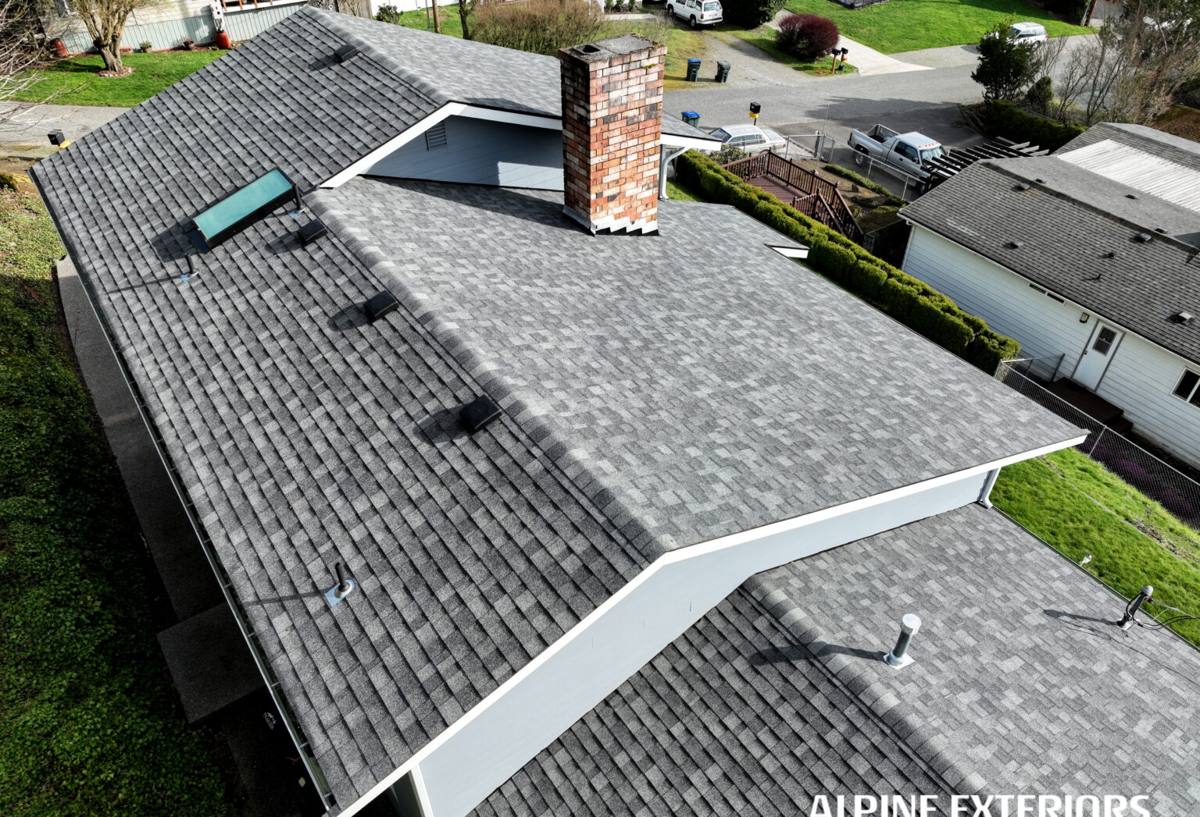
What Downtown Sarasota's Climate Actually Does to a Roof
Hurricane-Force Wind
Wind doesn't just push down on a roof — it creates uplift at the edges, corners, and ridge that can peel shingles, tiles, or panels off if the fastening pattern and underlayment aren't matched to the wind zone. Sarasota's building code reflects this, but plenty of older roofs on the peninsula were installed under older codes or by out-of-town crews who used the fastening schedule they were used to elsewhere, not what Sarasota County actually requires.
UV Exposure
Central Florida gets sun nearly year-round, and that constant UV load breaks down asphalt oils, dries out sealants, and fades or chalks lower-grade roofing materials well before their rated lifespan. A roof that would last 25 years in a milder climate can lose real service life here if the materials weren't chosen with UV resistance in mind.
Wind-Driven Rain
It's rarely rain falling straight down that causes leaks — it's rain being driven sideways and upward under laps, flashing, and vents during a storm. That's a underlayment and flashing detail problem more than a shingle problem, and it's one of the most common things we find when we tear off an older roof that's been leaking intermittently.
Salt Air
Downtown Sarasota's proximity to Sarasota Bay and the Gulf means airborne salt settles on roofing surfaces and, more importantly, on exposed metal fasteners, flashing, and vent stacks. Standard galvanized fasteners corrode faster here than they would inland. This is a materials-selection issue as much as an installation issue.
Signs a Downtown Sarasota Roof Needs Replacement, Not Another Repair
- Granule loss showing up in gutters or at downspouts, especially after a windy afternoon
- Shingles that are curling, cupping, or visibly brittle
- Soft spots or sagging when walked on, which usually points to deck damage underneath
- Repeated leaks around the same penetration or valley even after past repairs
- Visible rust streaking from fasteners, flashing, or vent stacks
- A roof that's 18-20+ years old and has never been fully replaced, only patched
- Daylight visible through the attic deck at seams or nail holes
One or two of these on their own might mean a targeted repair is enough. Several at once, especially on an older roof, usually means the underlying materials have reached the point where repair costs start approaching replacement costs without buying you much additional life.
What a Correct New Roof Installation Involves
Tear-Off and Deck Inspection
We remove the existing roofing down to the deck rather than layering over it. That's the only way to actually see the plywood or board sheathing underneath, which is where wind and water damage usually shows up first. Any soft, delaminated, or water-stained decking gets replaced before anything new goes down — installing new roofing over a compromised deck just hides the problem for a while.
Underlayment Built for Wind-Driven Rain
Given how much wind-driven rain this area sees, we don't treat underlayment as an afterthought. A synthetic or self-adhering underlayment system, properly lapped and sealed at every penetration, is what actually keeps water out when wind is pushing rain sideways under the primary roofing material.
Wind-Rated Fastening
Nail or fastener pattern, spacing, and type are matched to Sarasota County's wind requirements for the roof's specific exposure — not a generic pattern. Corner and edge zones, where uplift forces are highest, get extra attention.
Flashing and Penetration Detail
Valleys, chimneys, skylights, and vent stacks are where the majority of leaks originate on any roof. We flash these with corrosion-resistant materials given the salt air exposure, and we take the time to get the layering right — flashing under the course above and over the course below, not caulked-on shortcuts.
Ventilation
Proper intake and exhaust ventilation keeps attic temperatures and moisture in check, which matters for both the roofing material's lifespan and the deck underneath it. Poor ventilation is a quiet cause of premature roof failure that has nothing to do with the roofing material itself.
Material Options for Downtown Sarasota Homes
| Material | Typical Lifespan Here | Wind/Salt Air Notes |
|---|---|---|
| Architectural asphalt shingle | 15-25 years | Good value; choose a high wind-rated product and stainless or coated fasteners near the coast |
| Standing seam metal | 30-50 years | Excellent wind performance when properly fastened; use marine-grade or coated fasteners to manage salt corrosion |
| Concrete or clay tile | 30-50 years | Heavy, durable, but requires correct deck reinforcement and tie-down system for wind uplift |
| TPO/modified bitumen (flat/low-slope) | 15-25 years | Common on additions or flat sections; seam quality and UV-stable membrane matter most |
There's no single "best" material for every home — it depends on the roof's slope, the home's structure, and the homeowner's budget and maintenance preferences. What matters is that whichever material is chosen, it's installed with fasteners, flashing, and underlayment appropriate for coastal Sarasota conditions, not whatever happens to be standard practice further inland.
Our Process for a Downtown Sarasota Roof Replacement
- On-site inspection and estimate. We look at the current roof, the deck condition where visible, and any known leak history before quoting anything.
- Material selection. We walk through the honest trade-offs — cost, lifespan, appearance, maintenance — for the options that make sense for the home.
- Permitting. Roof replacements in Sarasota County require permits and inspections; we handle that process rather than leaving it to the homeowner.
- Tear-off and deck repair. Full removal of old roofing, deck inspection, and replacement of any compromised sheathing.
- Underlayment, flashing, and installation. Installed to the wind and moisture standards described above.
- Final inspection and cleanup. Job-site cleanup including magnetic sweep for stray fasteners, followed by a final walkthrough.
Why Local Experience in Downtown Sarasota Matters
A crew that works this specific area regularly knows what Sarasota County's permitting and inspection process actually requires, understands how close a given property is to the bay and how much that should influence fastener and flashing material choices, and has already seen how older Downtown Sarasota homes were originally built — which matters when you get into the attic and find something the plans didn't mention. That local pattern recognition is hard to replicate for a crew that only occasionally works in this part of the county.
It also means someone is around after the job is done. Roofing issues that show up after a storm are far easier to deal with when the company that installed the roof is a short drive away and already familiar with the property.
Questions Worth Asking Before You Hire
- Is the crew licensed to work in Sarasota County, and can they provide proof of insurance?
- Will they pull the required permit themselves, or leave that to you?
- What underlayment and fastening spec are they planning to use, and does it meet local wind requirements?
- What's the manufacturer's warranty on materials, and what's the labor/workmanship warranty separately?
- Do they have references from other roofs they've installed in this area?
A contractor who can answer these clearly and without hesitation is generally a good sign. Vague answers about permits or fastening specs are worth pushing back on before signing anything.
Timing a Roof Replacement in Sarasota
Roofing work can happen year-round here, but scheduling around Florida's rainy season and hurricane season (June through November) is worth thinking about. Starting a tear-off with a storm in the forecast isn't ideal, and a roof that's already showing wear is more vulnerable during hurricane season than one that's freshly replaced. If a roof is already showing the warning signs listed above, it's generally better to move on replacement before storm season rather than during it or right after storm damage forces the issue.
If your roof is aging, showing wear, or you just want an honest opinion on whether repair or replacement makes more sense for your Downtown Sarasota home, we're happy to take a look. Estimates are free, there's no pressure, and you'll get a straight answer about what your roof actually needs — just fill out the form below to get started.