 Sarasota Window
 Roof Repair Built for Downtown Sarasota's Older and Newer Homes Alike
Downtown Sarasota is a mix of mid-century bungalows, 1980s-and-90s infill construction, and newer condos and single-family builds packed close to the bay. That mix means roof age, pitch, and material vary block to block — and so does the kind of repair a given roof needs. A shingle roof on a 1970s cottage near the core of downtown fails differently than a tile roof on a newer build a few blocks over. Our job when we get a call from this part of Sarasota is to figure out which situation we're actually looking at before we talk about fixing anything.
What doesn't change is the climate every one of these roofs is fighting. Downtown Sarasota sits close enough to the water that salt-laden air reaches every roof in the neighborhood, hurricane-force winds are a real annual risk, UV exposure here runs at the high end for the whole country, and wind-driven rain finds its way into roofs that look fine from the ground. A repair that doesn't account for all four of those isn't a real repair — it's a delay.
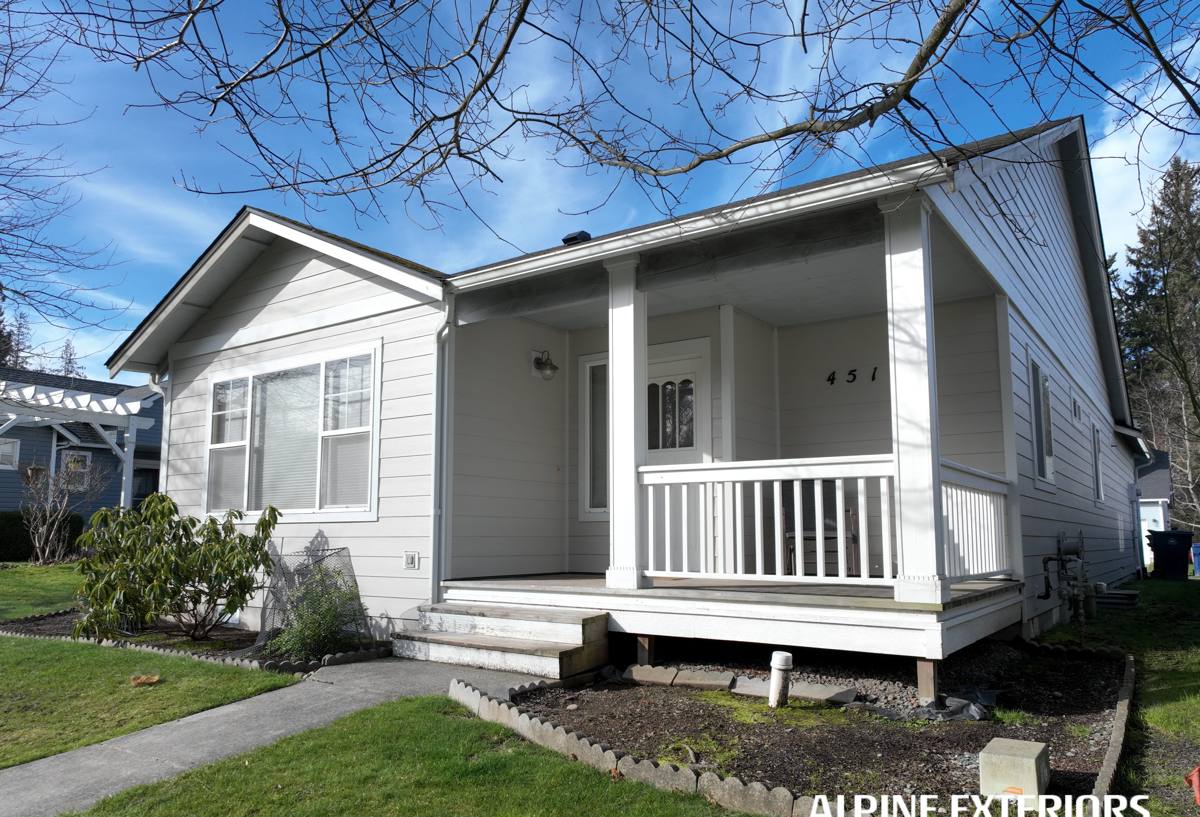
What Sarasota's Climate Actually Does to a Roof
UV and Heat
Sarasota gets intense sun essentially year-round. On asphalt shingles, that UV load bakes out the oils in the asphalt over time, leaving granules that shed and a mat underneath that gets brittle and prone to cracking. On tile, UV is less of a direct threat to the tile itself, but it accelerates the breakdown of the underlayment beneath it — which is usually where the real leak problem is hiding, not the tile.
Wind-Driven Rain
Rain that comes in sideways during a squall or tropical system doesn't behave like rain falling straight down. It gets pushed up under shingle tabs, tile laps, and flashing edges that were never designed to shed water moving in that direction. A roof can pass a casual visual check and still be letting water in every time the wind picks up from a certain direction.
Hurricane and Tropical Storm Wind
Even when a storm doesn't make direct landfall nearby, Sarasota routinely sees tropical-storm-force gusts. Wind uplift works on edges and corners first — ridge caps, rake edges, and any spot where a fastener has already backed out or sealant has failed. Repeated wind events don't need to be catastrophic to do damage; they just need to keep working on the same weak points until something gives.
Salt Air
Downtown Sarasota's proximity to the bay means metal roof components — flashing, fasteners, drip edge, vent stacks — corrode faster here than they would inland. A fastener that would last 20 years in a landlocked climate can start showing rust streaks in a fraction of that time this close to the water.
Common Roof Repair Calls We See in This Neighborhood
| Symptom | Likely Cause | Typical Fix Scope |
|---|---|---|
| Ceiling stain after a storm | Wind-driven rain past flashing or underlayment | Localized flashing/underlayment repair |
| Missing or lifted shingles | Wind uplift, aging adhesive strips | Shingle replacement, ridge/rake resealing |
| Cracked or slipped tiles | Foot traffic, storm debris, aged fasteners | Tile replacement, batten/fastener check |
| Rust streaks near vents or valleys | Salt-air corrosion of metal flashing | Flashing replacement |
| Granules in gutters | UV-driven shingle breakdown | Assessment — repair vs. remaining life |
| Soft spot underfoot on flat/low-slope section | Trapped moisture under membrane | Membrane repair or section replacement |
What a Correct Repair Actually Involves
A roof repair that holds up in this climate is more than swapping a few shingles or tiles and calling it done. Here's what we check and address on every repair call, regardless of how small the visible problem looks:
- Trace the leak to its actual entry point — which is often several feet from where the stain shows up inside
- Inspect underlayment condition in the affected area, not just the surface material
- Check flashing at every penetration nearby — vent stacks, chimneys, skylights, wall transitions
- Confirm fastener condition and replace any showing corrosion, not just the ones that failed
- Match repair materials to the existing roof as closely as possible for color and profile
- Reseal and re-secure adjacent areas that show early wear, even if they haven't failed yet
- Document what was found and what was repaired, with a plain explanation of remaining roof life
Skipping any of these steps is how a "repaired" roof leaks again in the next storm — usually in a slightly different spot, which makes homeowners think it's a new problem when it's really the same one that was never fully addressed.
Shingle vs. Tile Repair: Different Rules Apply
Downtown Sarasota has a real mix of both roof types, and the repair approach isn't interchangeable.
Asphalt Shingle Repair
Shingle repair is usually faster and less expensive per repair, but shingle roofs in this climate have a shorter overall service life due to UV exposure. The key judgment call is knowing when a "repair" is patching a roof with years of life left versus patching a roof that's close to needing full replacement — patching the latter can end up being money spent twice.
Tile Roof Repair
Tile itself often outlasts the underlayment beneath it by a wide margin. That means a tile "repair" frequently involves carefully lifting and resetting existing tile to get at failed underlayment, then reinstalling the same tile rather than replacing it — which takes more skill and care than tile work gets credit for. Cracked or broken tiles get matched and replaced individually where possible, since full-field tile replacement is rarely necessary just because of a localized leak.
Our Process for Downtown Sarasota Repair Calls
- Inspection: We look at the roof from the ground, on the roof surface where it's safe to walk, and in the attic or ceiling space if there's interior evidence of a leak.
- Diagnosis: We identify the actual failure point, not just the symptom, and explain what we found in plain terms.
- Written estimate: You get a clear scope and price before any work starts — no surprise add-ons mid-job.
- Repair: We complete the work with materials matched to your existing roof, following manufacturer installation standards.
- Follow-up: We tell you honestly whether this repair buys you years or whether it's a sign the roof is nearing the end of its practical life.
Why a Crew That Already Works Downtown Sarasota Matters
Roof repair pricing, permitting, and inspection requirements vary by county and jurisdiction, and Sarasota County has its own permitting process for roofing work — a crew that already does work in this area knows how to move a repair through that process without unnecessary delay. Just as important, a local crew has already seen how roofs in this specific pocket of Sarasota — close to the bay, exposed to salt air, sitting under the same UV load and storm track every year — actually fail over time. That's the difference between a repair that's a best guess and one that's informed by what's already been seen on similar roofs nearby.
There's also a practical timing benefit. After a wind event or heavy storm, roofing demand across the region spikes all at once. A crew already established in the Sarasota area is better positioned to get to a leaking roof quickly rather than adding you to the back of a long out-of-town queue.
When Repair Makes Sense — and When It Doesn't
Not every roof problem should be repaired, and an honest contractor tells you that up front. Repair makes sense when the damage is localized, the roof's remaining material life is reasonable, and the underlying deck and structure are sound. Repair stops making financial sense when a roof has multiple failure points across different sections, when the underlayment is broadly failing rather than damaged in one spot, or when the roof is old enough that repair cost starts approaching a meaningful fraction of replacement cost. We'll tell you which situation you're in — our goal is a roof that performs, not repeat service calls.
What to Watch For Between Repairs
- Water stains on interior ceilings, even faint ones that dry out
- Granules collecting in gutters or at downspout outlets after rain
- Visible daylight through the attic decking
- Cracked, slipped, or missing tiles or shingles after any windy weather
- Rust staining running down from vent stacks or flashing
- Musty odor in upper rooms or closets, which can indicate hidden moisture
Catching any of these early is almost always cheaper than waiting for a full active leak.
If you're dealing with a roof issue in Downtown Sarasota — or just want an honest read on where your roof actually stands — we're glad to take a look. The estimate is free, there's no pressure to move forward, and you'll get a straight answer about what your roof needs. Fill out the form below to get started.