 Sarasota Window
 Downtown Sarasota Puts a Roof Through More Than Most People Realize
A roof over a home a few blocks from Sarasota Bay works harder than the same roof would forty miles inland. Downtown Sarasota sits close enough to the water that salt-laden air is part of daily life, mature tree canopy shades and drops debris onto older bungalow roofs year-round, and every summer brings the same pattern of intense UV exposure followed by wind-driven afternoon storms. Add the real possibility of a direct hurricane strike or the outer bands of one passing through, and you have a roofing environment that rewards careful, correct work and punishes shortcuts quickly.
When we talk about roof replacement for Downtown Sarasota specifically, we're talking about a job that has to account for all of that at once — not a generic re-roof, but one built around this neighborhood's mix of housing stock, its proximity to the bay, and Sarasota County's wind and building code requirements.
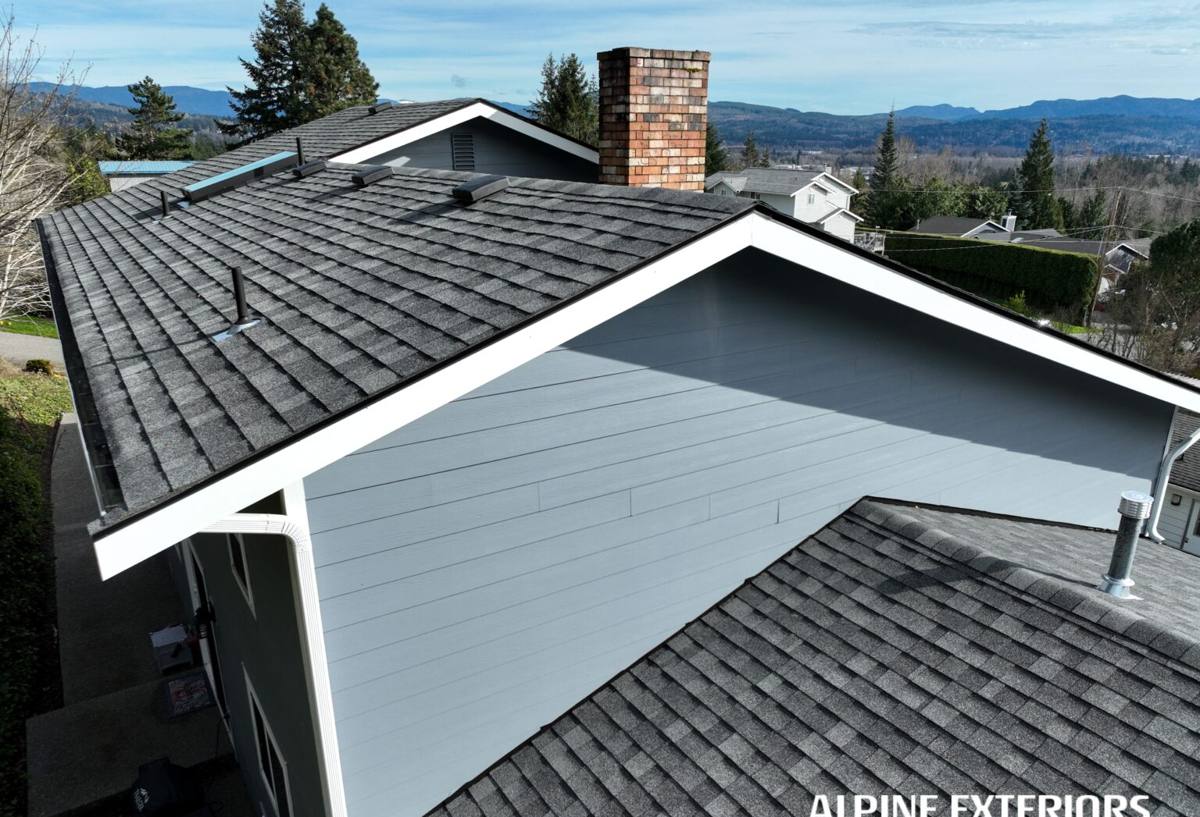
What Downtown Sarasota's Climate Does to a Roof
Salt Air and Corrosion
Homes within a mile or two of the bay see faster corrosion on exposed metal — nail heads, flashing, drip edge, and fastener systems all take a beating from airborne salt. A roof spec that's fine forty miles inland can fail early here if the fasteners and flashing aren't rated for coastal exposure.
UV Load
Florida sun breaks down roofing materials from the surface in. Asphalt shingles lose granules and oils over years of direct UV; underlayment and sealants degrade faster than manufacturer literature written for northern climates would suggest. Reflective or UV-stable materials, and underlayments rated for high heat, matter more here than in most parts of the country.
Wind-Driven Rain
Sarasota's storms rarely fall straight down. Wind-driven rain finds every gap in flashing, every under-fastened shingle tab, and every spot where a roofer skipped a step because "it's not visible." Downtown homes with steeper or more complex rooflines — hips, valleys, dormers common on older bungalow designs — have more of these vulnerable transitions than a simple gable roof.
Hurricane-Force Wind
Sarasota County sits in a wind-borne debris region under the Florida Building Code, and roofs here need to be designed and installed to resist uplift, not just shed water. That means correct nailing patterns, proper sealing at edges and ridges, and materials with wind ratings that match what the code actually requires for this area.
The Housing Mix Downtown Adds Its Own Wrinkles
Downtown Sarasota isn't one type of building. It's a blend of older bungalow and cottage-style homes, some in or near historic residential pockets, alongside newer infill construction, townhomes, and condo buildings closer to the core. That mix changes what a roof replacement actually involves:
- Older homes often have roof decking that hasn't been touched since the original build, and it needs a real inspection — not a guess — before anyone quotes a number.
- Homes in or near historic districts sometimes carry architectural review requirements that affect visible materials, profiles, or colors, so that needs to be checked before ordering materials.
- Condo and townhome roofs may fall under an association's responsibility rather than the individual owner's — worth confirming before a bid is requested.
- Mature oak and other canopy trees common on downtown lots mean more organic debris (leaves, pollen, limbs) collecting in valleys, which affects both maintenance and material choice.
None of this makes a downtown roof replacement harder in a bad way — it just means the first visit should include real questions about the home's age, roof history, and any neighborhood-specific rules, not a one-size-fits-all quote.
What a Correct Roof Replacement Actually Involves
A roof replacement is more than stripping old material and nailing down new. Done right, it includes:
Deck Inspection and Repair
Once the old roofing is off, the decking underneath gets inspected for rot, delamination, or fastener pull-through — common on older downtown homes where humidity and past leaks have had years to work. Any soft or damaged decking gets replaced before anything new goes down; covering bad decking with new shingles just hides the problem.
Underlayment Built for This Climate
A synthetic or self-adhering underlayment rated for high heat and wind-driven rain gives the roof a real second line of defense, which matters more here than in drier, cooler regions.
Flashing and Transitions
Valleys, chimneys, skylights, and wall-to-roof transitions are where most leaks actually start. Correct flashing — properly lapped, sealed, and tied into the underlayment — matters more than the shingle brand on top of it.
Fastening and Wind Rating
Nailing pattern, fastener length, and sealing strip activation all affect how a roof performs in wind. This is where a lot of corner-cutting happens because it's invisible once the job is done — and it's exactly what separates a roof that holds up in a tropical storm from one that doesn't.
Ventilation
Proper intake and exhaust ventilation keeps attic temperatures and moisture in check, which extends the life of the roofing material and helps with energy costs — a bigger deal in Sarasota's climate than in milder parts of the country.
Comparing Roofing Materials for a Downtown Sarasota Home
There's no single "best" material for every downtown property — it depends on the home's style, budget, and how long the owner plans to stay. Here's how the common options stack up for this specific environment:
| Material | Wind/Storm Performance | Salt Air Considerations | Typical Lifespan Here |
|---|---|---|---|
| Architectural asphalt shingles | Good, when rated for the local wind zone and installed correctly | Moderate — fasteners and flashing need corrosion-resistant coatings | 15–20 years in this climate |
| Standing seam metal | Excellent uplift resistance with proper fastening | Needs a coastal-grade finish and stainless or coated fasteners | 30–50 years |
| Concrete or clay tile | Very good, but individual tiles can dislodge in extreme wind if not properly fastened | Low corrosion concern — tile itself is inert | 30–50 years |
Cost tracks roughly with lifespan and wind performance: asphalt shingle systems cost the least up front, metal and tile cost more initially but ask for less frequent replacement. The right call depends on how long the home will be owned, roof pitch and structure, and budget — not on which material is trendiest.
How Our Process Works
- On-site assessment — we look at the existing roof, decking condition, ventilation, and any downtown-specific factors like tree canopy or association rules.
- Written estimate — a clear scope of work and material options, with honest tradeoffs explained, not just a single number.
- Permitting — we handle the Sarasota County/City of Sarasota permit process and any applicable inspections so the homeowner isn't left navigating it alone.
- Tear-off and deck repair — old material removed, decking inspected and repaired as needed before anything new is installed.
- Installation — underlayment, flashing, and roofing material installed to manufacturer specs and local wind-rating requirements.
- Final inspection and cleanup — a walk-through with the homeowner, magnetic sweep for debris, and confirmation that everything passed required inspections.
Permitting and Code Requirements Specific to This Area
Sarasota County enforces the Florida Building Code's wind-borne debris region requirements, which set minimum standards for wind uplift resistance, fastening, and in many cases secondary water barriers. A roof replacement here isn't just a trade job — it's a permitted, inspected process, and skipping that step (or hiring someone who does) can cause real problems at resale or with insurance claims after a storm. Homes in or near historic districts may have additional review for visible roofing changes. Part of doing this job right downtown is knowing which rules apply to a given property before work starts, not finding out partway through.
Signs a Downtown Sarasota Roof May Need Replacing, Not Just Repair
- Granule loss heavy enough to show bare patches or fill gutters consistently
- Curling, cracking, or lifted shingle edges, especially on south- and west-facing slopes
- Soft spots or sagging when walked on, suggesting deck damage underneath
- Rust streaking or corrosion around flashing, vents, or fasteners
- Daylight visible through the attic decking, or recurring leaks after wind-driven rain
- A roof approaching or past 15–20 years old (asphalt) without a full replacement history
Why Local Experience Downtown Actually Matters
A crew that regularly works Downtown Sarasota knows the difference between a bungalow with original 1940s decking and a newer infill build, knows which streets tend to have overhanging canopy that affects valley design, and has already worked through the county's permitting and inspection process enough times to keep a job moving without surprises. That familiarity shows up in fewer change orders, fewer surprises once the old roof comes off, and a finished roof that's actually built for what this specific location — close to the bay, under tree canopy, in a wind-borne debris zone — will throw at it.
If a downtown Sarasota roof is showing its age or storm damage, we're glad to take a look and put together a clear, honest estimate — no pressure, no guesswork, just a straight answer on what the roof needs. The form below is the easiest way to get started.