 Sarasota Window
 Downtown Sarasota's Climate Is Hard on Siding — Here's Why
Homes in Downtown Sarasota sit close to Sarasota Bay and the Gulf, which means the exterior of a house is doing more work here than it would inland. Salt-laden air corrodes fasteners and finishes over time. Year-round UV exposure fades and chalks paint faster than in most of the country. Wind-driven rain during summer storms and hurricane season pushes water sideways into seams, laps, and trim joints that a calmer climate would never test. And when a named storm does come through, siding has to survive sustained wind loads and flying debris without peeling off the wall.
None of this is exotic information to anyone who has lived in Sarasota County for a few years — but it matters enormously when you're deciding what to put on your walls and who installs it. A siding job that would hold up fine in a mild inland climate can fail within a handful of years here if the material or the installation cuts corners.
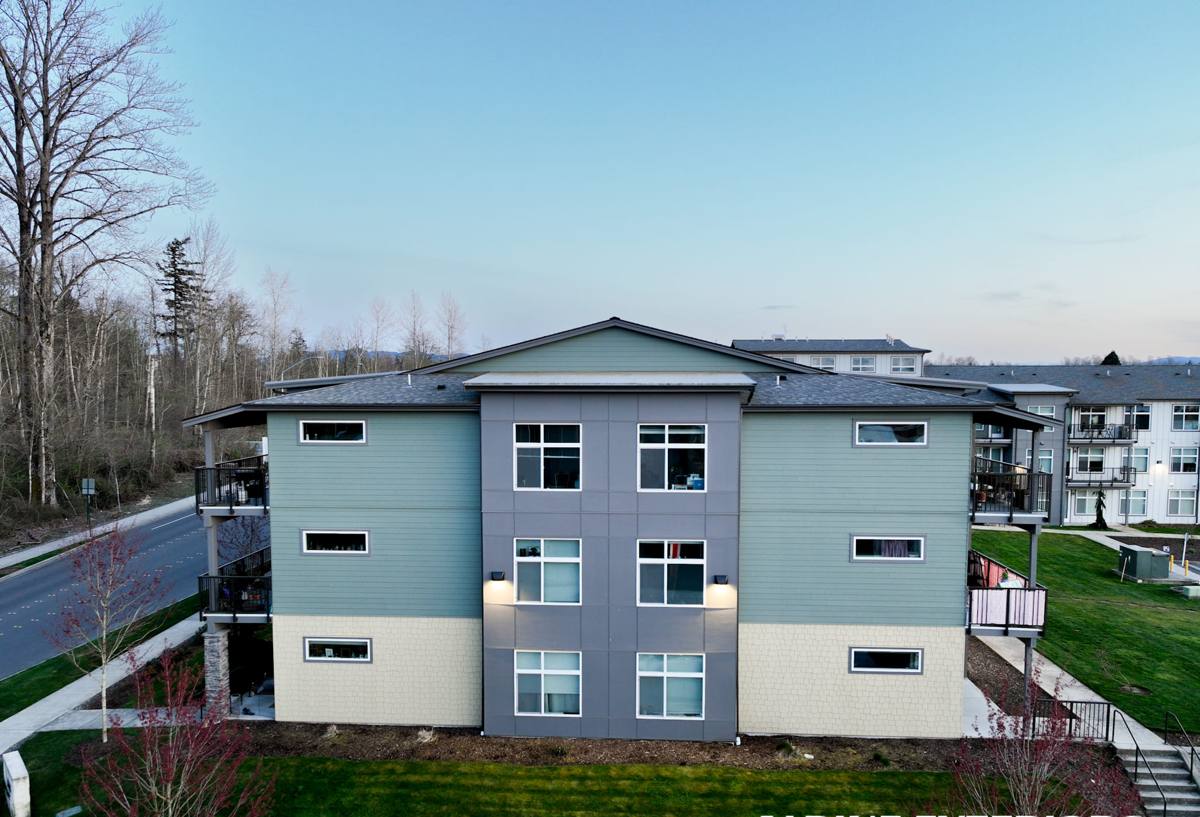
What "Correct" Siding Installation Actually Means Here
The Water Management Layer Comes First
Siding is the last line of defense, not the only one. Before a single piece of siding goes up, the wall needs a properly lapped weather-resistive barrier, correctly integrated flashing at every window, door, and penetration, and drainage that lets any water that does get behind the cladding find its way back out. In a climate that gets wind-driven rain, skipping or rushing this step is how homes end up with hidden rot behind siding that looks perfectly fine from the street.
Fastening and Clearances Matter More in Coastal Air
Every manufacturer publishes a fastening pattern — nail or screw type, spacing, embedment depth — and those specs exist for a reason, especially where wind uplift is a real design consideration. Ground clearance, gaps at trim, and proper caulking of the right joints (and not caulking the ones that need to breathe) all affect how the wall handles humidity and salt exposure over the long run. Get any of this wrong and you're not looking at a cosmetic issue — you're looking at moisture intrusion and premature failure.
Finish and Fastener Corrosion Resistance
Close to the water, standard fasteners and lower-grade finishes corrode faster. Correct installation in this zone means using fasteners rated for the exposure and a factory finish that's actually formulated to resist coastal weathering, not a field-applied paint job that will need recoating every few years.
Why We Install Only James Hardie Fiber Cement
We made a decision as a company to install one siding system: James Hardie fiber cement. We don't install vinyl, LP SmartSide, Cemplank, Allura, or primed wood species like spruce or cedar, and we're upfront about why.
Vinyl is inexpensive and easy to install, but it's a plastic product that softens, warps, or cracks under sustained heat and UV exposure, and it isn't fire-resistant. LP SmartSide and similar engineered wood products use a wood-strand core with a resin coating — that coating has to stay intact for the product to resist moisture, and any breach (a nail hole, a cut edge, a scratch) gives water a path into a wood-based core, which is a bigger liability in a humid coastal climate than in a dry one. Cedar and primed spruce are real wood: attractive, but they need ongoing maintenance and are far more vulnerable to moisture, insects, and salt-air weathering without constant upkeep.
James Hardie fiber cement is non-combustible, doesn't expand and contract with humidity the way wood-based products do, and comes with a factory-applied ColorPlus finish engineered to resist UV fading and hold up against coastal weathering better than field-applied paint. Hardie also engineers its HZ product formulations by climate zone — Florida falls in the zone Hardie designs for high humidity and moisture exposure, which is exactly the environment Downtown Sarasota sits in. It carries a strong, transferable warranty, which matters if you ever sell the house. This is why it's the only product we put our name behind.
Comparing Siding Materials for a Downtown Sarasota Home
| Material | Moisture Behavior in Coastal Humidity | UV/Fade Resistance | Wind/Impact Durability | Maintenance Burden |
|---|---|---|---|---|
| James Hardie Fiber Cement | Dimensionally stable, engineered for humid climates | Factory ColorPlus finish resists fading | Non-combustible, rated for high-wind installation | Low — occasional wash, repaint on your schedule, not the product's |
| Vinyl | Doesn't rot, but can warp/distort in heat | Can fade and become brittle over time | Can crack or blow off in high wind | Low, but not repairable/repaintable when damaged |
| LP SmartSide (engineered wood) | Vulnerable once resin coating is breached | Moderate, coating-dependent | Good if intact, but edge/cut exposure is a risk | Moderate — coating and caulking need monitoring |
| Cedar / Primed Spruce | Absorbs moisture, prone to swelling and rot near salt air | Fades and grays without regular refinishing | Softer material, more prone to impact damage | High — regular sealing/painting required |
This isn't a knock on every one of these products in every climate — it's why, for the specific combination of humidity, salt air, UV, and wind that Downtown Sarasota homes face, we standardized on one material.
Our Installation Process
- On-site assessment — we look at your current siding, wall assembly, and any signs of moisture intrusion before quoting anything.
- Tear-off and substrate check — old siding comes off and we inspect sheathing for rot or damage before covering it back up.
- Weather barrier and flashing — a correctly lapped water-resistive barrier and properly integrated flashing at every opening and penetration.
- Hardie panel or plank installation — installed to manufacturer fastening specs, with correct clearances at grade, trim, and roof lines.
- Joint and trim detailing — sealing the joints that need it, leaving room where the material needs to move.
- Final walkthrough — we go over the finished job with you before we consider it done.
What We See on Older Downtown Sarasota Homes
Downtown Sarasota has a real mix of housing stock — older bungalows and mid-century homes alongside newer construction close to the bay and the urban core. On the older homes, the most common issue we run into isn't the siding material itself failing outright, it's what's happening behind it: decades-old moisture barriers that have degraded, flashing that was never properly integrated with window replacements done over the years, and wood trim that's absorbed enough humidity to start softening. A siding replacement is the right time to fix all of that, because once the old cladding is off, it's the only chance to correct what's underneath before it's covered again for another 20-plus years.
Signs Your Siding Needs a Closer Look
- Soft spots or visible give when you press on the siding or trim
- Paint that's peeling or bubbling in a consistent pattern, especially near seams
- Visible gaps, warping, or cracking at panel joints and corners
- A musty smell or discoloration on interior walls that back up to exterior siding
- Siding that's more than 20-25 years old, regardless of how it looks from the street
- Rust streaking from fasteners, especially on homes closer to the water
Why a Crew That Already Works Downtown Sarasota Matters
Siding installation in this neighborhood isn't quite the same job as siding installation forty minutes inland. A crew that regularly works Downtown Sarasota already understands the wind and moisture demands Sarasota County's building code requires for homes this close to the coast, has a feel for how quickly UV and salt air age a poorly finished product, and knows what to expect when opening up the walls of the area's older housing stock. That familiarity shows up in fewer surprises mid-project and a finished install that's actually built for the conditions it has to survive, not just the conditions on a spec sheet from somewhere else.
Permitting and inspection also move more smoothly when a contractor already has a working relationship with the local process, instead of learning it for the first time on your house.
Cost Factors for a Downtown Sarasota Siding Installation
| Factor | Why It Affects Price |
|---|---|
| Home size and wall complexity | More corners, dormers, and trim detail mean more labor and cutting |
| Current substrate condition | Rotted sheathing found during tear-off adds repair scope |
| Siding profile (lap, shingle, panel) | Different Hardie profiles carry different material and labor costs |
| Trim and accessory scope | Fascia, soffit, and trim replacement alongside siding adds to the project |
| Access and site conditions | Tight lots, multi-story walls, or landscaping can affect labor time |
We won't quote a number without seeing the house — anyone who does is guessing, and that guess tends to change once the walls are open.
Get a Straight Answer for Your Home
If you're weighing a siding replacement for a home in Downtown Sarasota, we're glad to come take a look and give you an honest read on what your walls actually need — no pressure, no upsell to a product we don't stand behind. Use the form below to request a free estimate.