 Sarasota Window
 Window Replacement Built for Downtown Sarasota's Climate
Downtown Sarasota sits close enough to the water that every window on a home or condo here is doing real work every day. Hurricane-force wind events test the glazing and the anchoring. Year-round UV bakes vinyl, breaks down seals, and fades interiors. Wind-driven rain finds any weak point in a flashing detail and turns it into a leak. Salt air corrodes hardware and fasteners that would last decades somewhere inland. None of that is unique to Downtown Sarasota, but the concentration of it — older housing stock mixed with newer construction, all a short distance from Sarasota Bay — makes window replacement here a different job than it is thirty miles inland.
This page is about that one job, done for that one area: what Downtown Sarasota homes actually need from a window replacement, what a correct installation involves, and why it matters to hire a crew that already knows this neighborhood's housing stock, permitting process, and climate demands.
What Downtown Sarasota's Housing Mix Means for This Job
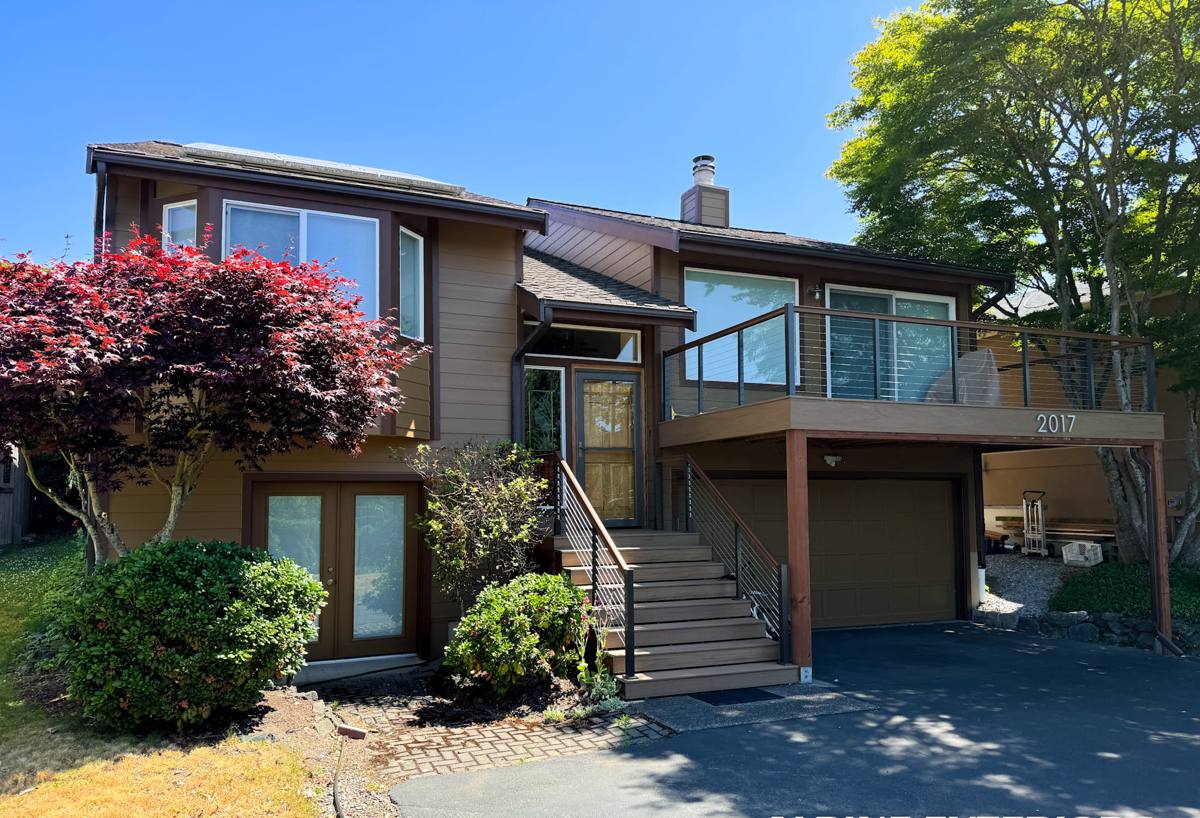
Downtown Sarasota isn't one housing type — it's a mix, and that mix changes what window replacement looks like from one property to the next.
Older single-family and bungalow-style homes
Many of the homes in and around the downtown core predate current Florida Building Code wind requirements. Original window openings were often built for single-pane glass with wood or aluminum frames that have long since reached the end of their service life. Replacing these correctly means respecting the original opening while bringing the glazing, frame, and anchoring up to current code — not just dropping in a new sash and calling it done.
Condos and mid-rise buildings
Downtown Sarasota has a meaningful concentration of condominiums and mid-rise residential buildings. Window replacement in these buildings usually means working within HOA or condo association rules on approved products, appearance, and installation windows, and sometimes coordinating with a building's own contractor requirements. A crew that's done this before knows to ask about those rules up front instead of discovering them mid-project.
Newer infill construction
Newer homes and townhomes built to current code already have impact-rated or code-compliant openings in most cases, but "already compliant" doesn't mean maintenance-free — seals, weep systems, and hardware still wear out well before the frame does.
Florida Building Code and What It Means for Your Windows
Sarasota County falls within Florida's wind-borne debris region, which means new and replacement windows generally need to meet impact-resistance or protection requirements under the Florida Building Code, not just a general wind-load rating. In practice, that means either impact-rated glazing or an approved protective system paired with code-rated windows. The exact requirement can depend on the specific property, its wind zone, and any local Sarasota County permitting conditions, which is why we pull the actual permit requirements for your address rather than assuming one standard product fits every home downtown.
This isn't just a paperwork exercise. Code-compliant, impact-rated windows are the product of design and testing specifically aimed at the failure modes that matter here: wind-borne debris impact, sustained wind pressure, and water intrusion under wind-driven rain. Buying based on code compliance, not just price or appearance, is the difference between a window that performs in a real storm and one that only looks the part.
Signs Your Downtown Sarasota Windows Need Replacing
Not every problem window needs full replacement, but in this climate, small issues tend to compound quickly. Signs worth taking seriously include:
- Fogging or a visible haze between panes of double-glazed units — the seal has failed and the insulating gas is gone
- Difficulty opening, closing, or locking a window that used to operate smoothly, often from frame warping or corroded hardware
- Visible daylight, drafts, or whistling around the frame during windy conditions
- Soft or discolored drywall, trim, or sill wood near a window after heavy rain — a sign water is getting past the flashing
- Chalky, pitted, or brittle exterior frame finish from years of direct UV exposure
- Noticeably higher cooling bills compared to similar homes nearby, often tied to failed seals or single-pane glass
- Rust staining around fasteners or hardware, common on older aluminum-framed windows this close to the bay
If you're seeing two or more of these on the same window, replacement is usually more cost-effective than continuing to repair it.
What a Correct Window Replacement Job Involves
The window itself is only part of the job. Most of the failures we get called out to fix — leaks, drafts, wind damage — trace back to installation shortcuts, not a bad product. A correct job includes:
Opening inspection and prep
Before anything goes in, the existing opening gets inspected for rot, corrosion, or settling that needs to be addressed first. Installing a new window into a compromised opening just hides the problem behind new trim.
Proper flashing and water management
Flashing tape and sill pans need to shed water outward and downward, not trap it against the framing. This is the single most common point of failure in wind-driven rain events, and it's invisible once the trim goes back on — which is exactly why it has to be done right the first time.
Correct anchoring for wind load
Impact-rated windows only perform to their rating if they're anchored the way the product's engineering calls for — correct fastener type, spacing, and embedment into structurally sound framing. Skipping this is one of the most common ways a code-rated window still fails in a real storm.
Sealing and insulation
Low-expansion foam or appropriate sealant around the frame perimeter closes air and water gaps without bowing the frame out of square, which can happen with the wrong product or too much of it.
Interior and exterior finish work
Trim, caulk lines, and paint or sealant touch-up should look like they were never disturbed — a clean finish is also a sign the water management underneath was done carefully.
Our Process for Downtown Sarasota Homes
- Free on-site assessment — we look at your existing windows, the condition of each opening, and any HOA, condo, or building-specific requirements that apply to your property.
- Product selection — we walk through frame material, glass package, and code requirements for your specific address, so you're choosing based on what your home actually needs.
- Accurate measurement and ordering — every opening is measured individually; older downtown homes rarely have perfectly uniform openings from window to window.
- Permitting — we handle the Sarasota County permit application and inspection scheduling so the paperwork matches what actually gets installed.
- Installation — removal of the old unit, opening prep, correct flashing and anchoring, and finish work, typically one window opening at a time to limit how long your home is open to the weather.
- Final walkthrough — every window is operated, checked for level and square, and inspected for a clean seal before we consider the job done.
Choosing a Frame Material for This Climate
Frame material matters more here than in most parts of the country, because it has to hold up to UV, salt air, and repeated pressure cycling from storms — not just look good on install day.
| Frame Material | UV/Salt Air Resistance | Maintenance | Typical Fit for Downtown Sarasota |
|---|---|---|---|
| Vinyl | Good; modern formulations resist chalking and yellowing better than older vinyl | Low — no painting, occasional cleaning | Common, cost-effective choice for most homes |
| Aluminum | Prone to corrosion near the bay unless properly coated and maintained | Moderate — coating and hardware need periodic attention | Better suited to commercial or high-rise applications with maintenance programs |
| Fiberglass | Excellent — very stable under UV and doesn't corrode | Low | Strong long-term option, typically a higher upfront cost |
| Wood (with cladding) | Vulnerable without quality exterior cladding or diligent upkeep | High without cladding | Best reserved for interiors matching historic character, paired with a durable exterior clad |
We don't push a single "best" material for every home — the right call depends on your budget, your building's exposure, and whether you're matching an existing architectural style. What we won't do is install a product we know is a poor structural or moisture-management fit for a coastal opening just because it's the cheaper quote, and we'll tell you why if that's the case.
What Affects the Cost of Window Replacement Here
| Factor | Why It Matters |
|---|---|
| Impact rating requirement | Code-compliant impact glazing costs more than standard glass but removes the need for separate storm protection |
| Number and size of openings | Larger openings and non-standard sizes (common in older homes) require custom units |
| Frame material | Vinyl, aluminum, fiberglass, and clad-wood carry different material and installation costs |
| Condition of existing openings | Rot or corrosion repair prior to installation adds labor beyond the window itself |
| Building type | Condo and mid-rise installs may involve access logistics or HOA-approved product lists |
| Permitting | Sarasota County permit and inspection requirements are part of a compliant job, not an optional add-on |
We give a firm, itemized quote after the on-site assessment — not a phone estimate — because the condition of your specific openings changes the real cost more than most homeowners expect.
Why a Crew That Already Works Downtown Sarasota Matters
Downtown Sarasota has its own logistics: tighter lots and street parking near the core, condo and HOA approval processes that vary building to building, and a mix of historic-adjacent homes alongside new construction, each with different opening conditions. A crew that regularly works this specific area already knows which Sarasota County permitting details apply, what to expect walking into a 1960s bungalow versus a 2010s townhome, and how to coordinate with a condo association without the project stalling out over paperwork. That familiarity shows up as fewer surprises mid-project, not just a shorter drive for the crew.
Get a Free, No-Pressure Estimate
If your windows are showing their age, letting in more weather than they should, or you're simply planning ahead of the next storm season, we're happy to take a look and give you a straight answer on what your home needs. There's no obligation — just an honest assessment and a clear quote. Use the form below to request your free estimate for window replacement in Downtown Sarasota.