 Sarasota Window
 Windows Built for What Ellenton Weather Actually Does
Ellenton sits in that stretch of Florida's Gulf Coast where the weather doesn't do anything halfway. Summers bring intense, near-constant UV that bakes vinyl and cooks window seals from the outside in. Storm season brings wind-driven rain that finds every gap in a tired frame. And because you're close enough to the coast to catch salt in the air, metal hardware and fasteners corrode faster here than they would a hundred miles inland. None of that is unique to any one street or subdivision in Ellenton — it's the baseline every window on every home in this part of Sarasota and Manatee County has to survive, year after year, without a break season.
That's the lens we bring to every replacement job here: not "what window looks good," but "what window and what installation will actually hold up to this specific climate." Those are two different questions, and a lot of window problems homeowners deal with trace back to someone answering only the first one.
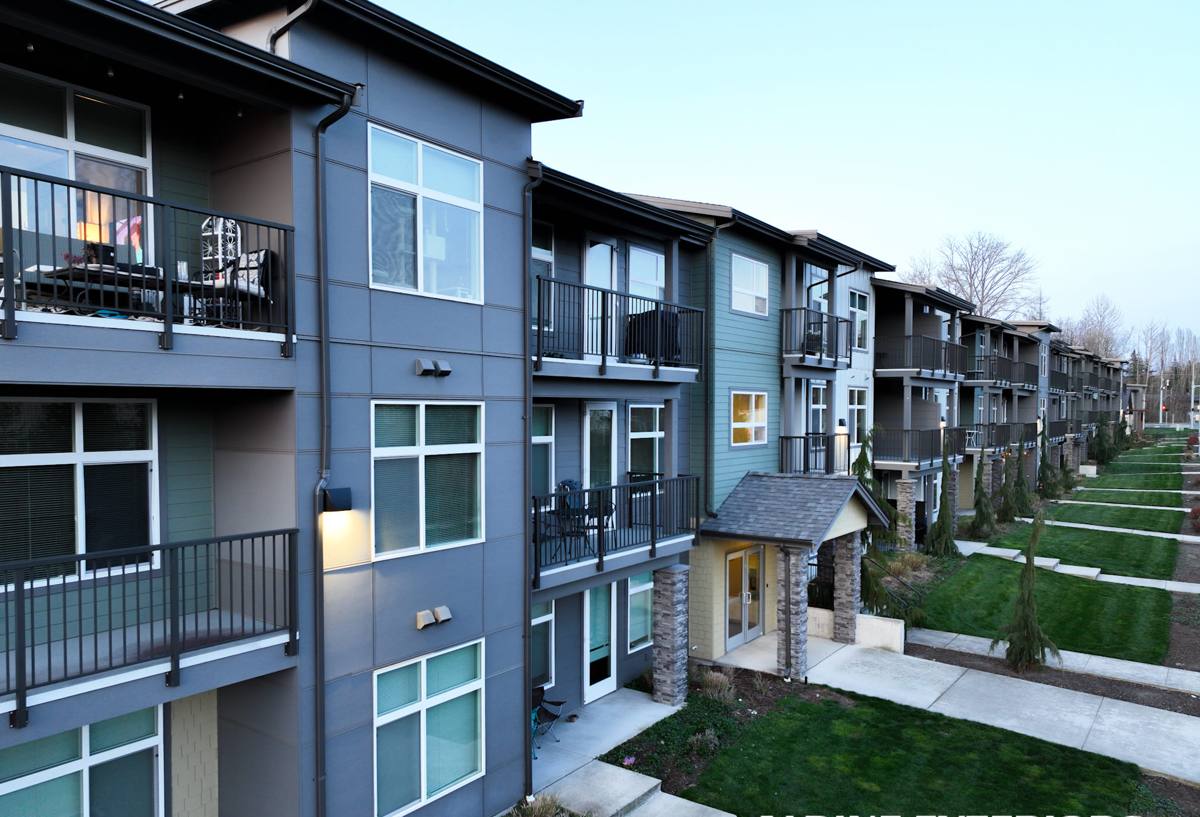
Signs an Ellenton Home Needs Window Replacement, Not Just Repair
Windows rarely fail all at once. They give you signals first, and knowing which ones point to "repair" versus "replace" saves you money either way.
- Fogging or a permanent haze between the panes — the seal on the insulated glass unit has failed and the argon or air gap is gone; this cannot be fixed, only replaced.
- Frames that feel soft, chalky, or show wood rot at the corners — UV and moisture cycling have broken down the material.
- Windows that are hard to open, won't stay up, or don't lock snugly — the frame has likely shifted or warped.
- Visible daylight or a draft around the sash when the window is closed — the weatherstripping and seal are compromised.
- Noticeably higher cooling bills compared to similar-sized homes nearby — old single-pane or poorly sealed windows are a common culprit in this climate.
- Condensation on the inside of the glass regularly, not just on unusually humid mornings.
If you're only seeing one of these on one window, a repair or resealing may buy you time. If you're seeing several across the house, or the windows are original to a home built decades ago, replacement is almost always the more honest answer — repeated repairs on end-of-life windows cost more over a few years than doing it right once.
What a Correct Window Replacement Actually Involves
Swapping in a new window is not the hard part. The hard part — and the part that determines whether the window performs for fifteen years or leaks in year two — is everything around it.
Removal and Opening Prep
Old windows and their fasteners get removed carefully so the rough opening isn't damaged. We check the opening for square, level, and plumb, and we check the substrate underneath for hidden moisture damage or rot before anything new goes in. Installing a good window into a bad opening just hides the problem for a while.
Flashing and Water Management
This is where most window failures actually start. Proper flashing directs any water that gets behind the exterior cladding back out and away from the wall assembly, rather than letting it pool at the sill or migrate into the wall cavity. In a region with as much wind-driven rain as ours, corner and sill flashing done wrong is the single biggest cause of interior leaks and hidden wood rot — and it's invisible from the outside once the window is in, which is exactly why it has to be done right the first time.
Sealing and Fastening
Windows need to be fastened to the manufacturer's and code's specified pattern — not "close enough" — and sealed with the correct sealant at the correct joints. Too little sealant and you get leaks; sealing every gap shut with no room for the assembly to drain or breathe traps moisture instead of managing it.
Interior and Exterior Finish
Trim, caulking, and touch-up paint or stucco patching should leave the opening looking finished, not like an afterthought. A rushed finish is often the first visible clue that the work underneath was rushed too.
Choosing the Right Window for Wind, UV, and Salt Air
Not every window sold in Florida is suited to a coastal-influenced climate like Ellenton's. Frame material, glass package, and hardware all matter more here than they would in a milder climate.
| Frame Material | How It Handles This Climate | Our Take |
|---|---|---|
| Vinyl (quality, UV-stabilized) | Good UV resistance when properly formulated; won't corrode; moderate cost | Solid, reliable choice for most Ellenton homes when the vinyl is rated for high-UV exposure |
| Aluminum | Strong and slim-profile, but conducts heat and is prone to corrosion near salt air without proper coatings | We use it selectively, with corrosion-resistant hardware and finishes, not as a default |
| Fiberglass | Excellent dimensional stability, very low expansion/contraction, strong UV and moisture resistance | Higher upfront cost, but often the best long-term value for full-sun exposures |
| Wood / wood-clad | Attractive but high-maintenance in humidity and salt air unless meticulously sealed and maintained | We're honest with clients that this is a bigger long-term commitment here than in drier climates |
Glass Packages Worth Asking About
Low-E coatings reduce how much solar heat and UV comes through the glass, which matters a great deal given how much direct sun this region gets — it protects your cooling bill and your furniture and flooring from fading. Impact-rated glass, where it fits your budget and your home's wind-load requirements, adds a layer of protection against wind-driven debris and reduces the need for separate shutters. We'll walk through which glass package makes sense for your home's orientation and sun exposure rather than pushing the most expensive option by default.
Hardware and Fasteners
Cheap hinges, locks, and screws corrode fast in salt-influenced air. We spec stainless steel or otherwise corrosion-resistant hardware on every job here, because replacing a $4 hinge that's rusted solid three years in isn't a trade-off worth making to save a few dollars upfront.
Permits, Codes, and Wind Requirements
Florida's building code sets minimum wind-load and structural requirements for replacement windows, and those requirements can vary by wind-borne debris exposure and by the specific jurisdiction covering your property. Window replacement in this area typically requires a permit and inspection — this isn't optional paperwork we skip to save time. Skipping permitting can cause real problems later: at resale, with insurance claims, and with code enforcement if work is ever inspected after the fact. We handle the permitting and coordinate the required inspections as part of the job, so you don't have to chase that down yourself.
Our Process, Start to Finish
- Free on-site estimate. We look at your existing windows, the condition of the openings, and talk through what you actually need versus what you might be tempted to over-buy.
- Product selection. We walk you through frame and glass options with honest trade-offs — cost, maintenance, appearance, and how each holds up locally.
- Written quote. Clear pricing, clear scope, no vague allowances that turn into surprise charges later.
- Permitting. We pull the necessary permits before work starts.
- Installation. Careful removal, opening inspection, correct flashing and sealing, proper fastening, and a clean finish.
- Final walkthrough and inspection. We confirm the work passes inspection and walk the job with you before we call it done.
What Window Replacement Typically Costs
Every home is different, but the biggest cost drivers on a window replacement job in this area are consistent enough to lay out honestly:
| Factor | Why It Moves the Price |
|---|---|
| Number and size of windows | More openings and larger sashes mean more material and labor |
| Frame material | Fiberglass and premium vinyl cost more upfront than standard vinyl or aluminum |
| Glass package | Low-E coatings and impact-rated glass add cost but reduce long-term energy and storm-prep expenses |
| Opening condition | Rot, out-of-square framing, or hidden water damage found during removal adds repair scope |
| Access and complexity | Second-story windows, unusual shapes, or difficult access add labor time |
We won't quote you a number without seeing the actual windows and openings, because anyone who does is guessing — and guesses turn into change orders. What we can promise is a written quote with no vague line items before any work starts.
Why It Matters Who You Hire in Ellenton
A crew that regularly works this specific corner of the Gulf Coast already knows how the local sun exposure, storm patterns, and salt air interact with different products — that's not something you learn from a manufacturer's brochure. We know which corners tend to see the most wind-driven rain in a bad storm, which materials genuinely hold up under year-round Florida sun versus which ones just look good in the showroom, and what permitting and inspection actually looks like for homes in this part of Sarasota and Manatee County. That familiarity shows up in fewer surprises during the job and in windows that are still performing well a decade later, not just at the final walkthrough.
Simple Maintenance That Extends the Life of New Windows
- Rinse frames and glass periodically to clear salt residue, especially after storms.
- Check and clean weep holes so water can drain out of the frame instead of pooling.
- Inspect exterior caulking and sealant once a year and touch up any cracking before rainy season.
- Lubricate hardware — locks, hinges, rollers — with a silicone-based product rather than oil-based, which attracts grit.
- Keep an eye on screens and tracks for salt corrosion or debris buildup after windy weather.
If you're weighing whether it's time to replace your windows, we're glad to take a look and give you a straight answer — including telling you if repair makes more sense than replacement. Reach out for a free, no-pressure estimate using the form below.