 Sarasota Window
 Roof Replacement in Fruitville: Built for Sarasota County's Climate
Fruitville sits inland enough to feel a little separated from the beach corridor, but the roof over a Fruitville home still answers to the same Gulf Coast weather that hits every neighborhood in Sarasota County. Afternoon UV runs hot for most of the year, tropical downpours arrive sideways more often than straight down, and hurricane-season wind gusts test every fastener, flashing seam, and shingle tab on the structure. When a roof in this area starts failing, it's rarely one dramatic cause — it's usually years of sun, wind, and moisture compounding on each other until a repair no longer makes sense. This page walks through what that means for a full roof replacement done right, and what to expect if you're weighing that decision for your Fruitville home.
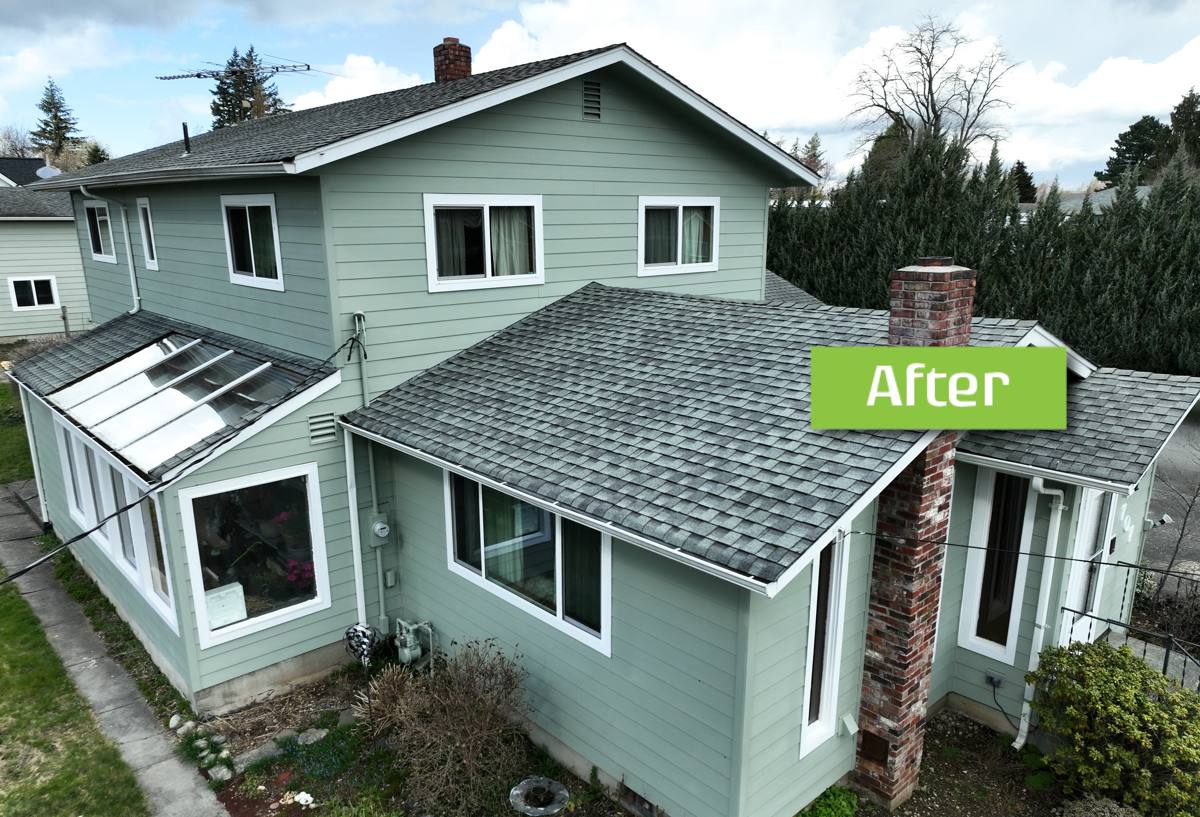
Why Roofs Wear Differently Here Than Up North
A roof spec'd for a mild climate doesn't hold up the same way in Sarasota. Four regional factors do most of the damage over a roof's lifespan:
- UV exposure: Florida sun is intense and nearly constant. Asphalt shingle mats dry out and granules shed faster here than in most of the country, which accelerates aging even on roofs that never see a storm.
- Wind-driven rain: When rain comes in at an angle during a squall or tropical system, it doesn't just land on the roof — it gets pushed under tabs, into fastener holes, and along flashing edges that a calmer climate would never stress-test.
- Hurricane-force wind uplift: Wind doesn't push down on a roof, it pulls up on it. Fastening patterns, underlayment attachment, and edge metal all need to be installed to resist uplift, not just shed water.
- Salt air: Sarasota County's proximity to the coast means airborne salt reaches inland neighborhoods like Fruitville too, and it accelerates corrosion on exposed metal fasteners, flashing, and vent components.
None of these factors are unique to Fruitville, but together they explain why a roof that might last 25-30 years elsewhere often needs replacing sooner here — and why the quality of the original install matters more in this climate than in most.
Signs a Fruitville Roof Is Telling You It's Time
Most homeowners don't wake up one day and decide to replace a roof — they notice a pattern of small issues that add up. Worth paying attention to:
- Shingles that are curling, cupping, or losing granules faster on south- and west-facing slopes (the sides that take the most UV)
- Recurring leaks around the same penetration — a vent boot, chimney, or skylight — even after spot repairs
- Visible sagging anywhere on the roof deck, which points to moisture damage underneath
- Missing or lifted shingles after any wind event, even a routine summer storm
- Rusting fasteners or streaking on flashing and metal trim
- An insurance inspection or underwriting review flagging roof age or condition
- A roof already past 15-20 years old, which is a reasonable point to start planning ahead rather than waiting for failure
Any one of these on its own might just call for a repair. Several at once, especially on a roof already into its second decade, usually means replacement is the more honest recommendation.
What a Correct Roof Replacement Actually Involves
It's Not Just the Shingles
The visible roofing material is the part everyone notices, but it's the layers underneath that determine whether the roof performs in a Sarasota storm. A replacement done right includes:
- Full tear-off and deck inspection: Removing the old roof down to the deck lets us catch rot, delamination, or soft spots that a re-roof over existing material would hide.
- Deck repair before anything goes back down: Any damaged sheathing gets replaced — covering over a compromised deck defeats the purpose of a new roof.
- Underlayment matched to wind exposure: Synthetic or self-adhering underlayment installed with the fastening pattern the local wind zone actually calls for, not a generic minimum.
- Flashing done properly at every penetration: Chimneys, vents, skylights, and roof-to-wall transitions are where most leaks start. Flashing has to be sized, lapped, and sealed correctly, not just caulked.
- Edge metal and drip edge: This is a first line of defense against wind uplift at the roof perimeter, and it's an easy detail to skip on a rushed job.
- Ventilation review: Proper intake and exhaust ventilation keeps attic temperatures and moisture in check, which extends the life of the new roofing material.
Getting the Fastening and Wind Rating Right
Florida Building Code sets minimum wind-uplift and fastening standards, and Sarasota County permitting enforces them. A correct install means every course of shingles or panels is fastened to the manufacturer's high-wind specification, not the bare minimum that happens to pass a quick look. This is one of the areas where corners get cut on rushed jobs and where problems don't show up until the next major wind event.
Material Options for Fruitville Homes
There's no single "best" roofing material for every home — it depends on the roof structure, budget, and how long you plan to stay in the house. Here's an honest comparison of what we install most often in this area:
| Material | Typical Lifespan Here | Wind Performance | Maintenance Considerations |
|---|---|---|---|
| Architectural asphalt shingle | 15-25 years | Good, when installed with high-wind fastening and proper underlayment | Periodic inspection after storms; granule loss accelerated by UV |
| 3-tab asphalt shingle | 12-18 years | Lower wind rating than architectural shingles | Least expensive upfront, shortest service life in this climate |
| Standing seam metal | 30-50 years | Excellent when properly fastened and detailed | Higher upfront cost; fastener and coating quality matter for coastal air |
| Tile (concrete or clay) | 30-50+ years | Very good, but depends heavily on underlayment condition beneath the tile | Underlayment typically needs replacement before the tile itself does |
We'll walk through which option fits your home, your roof's structure, and your budget honestly — including the trade-offs — rather than steering every homeowner toward the same product.
Our Process for a Fruitville Roof Replacement
- On-site inspection: We assess the current roof, deck condition, ventilation, and any problem areas before recommending anything.
- Honest scope and estimate: You get a clear breakdown of materials, labor, and what's actually driving the cost — no vague allowances.
- Permitting: We handle the permit through Sarasota County so the work is inspected and documented properly.
- Tear-off and deck assessment: Old material comes off, and we show you anything we find underneath before covering it back up.
- Underlayment, flashing, and material installation: Installed to the wind-zone specification for this area, not a generic minimum.
- Final inspection and walkthrough: We review the completed roof with you, including how to spot early warning signs going forward.
What Drives the Cost of a Roof Replacement
Every roof is different, and giving a number without seeing the roof wouldn't be honest. That said, a few factors consistently move the price up or down:
- Roof size and the number of planes, valleys, and penetrations
- Pitch — steeper roofs take longer and require more safety setup
- Whether the existing deck needs repair or replacement
- Material choice, from standard architectural shingle up through metal or tile
- Number of layers being removed during tear-off
- Access — trees, fencing, or landscaping that affect equipment and material staging
We'll break these down specifically for your roof during the estimate so you know exactly what you're paying for and why.
Why Hire a Crew That Already Works in Fruitville
Roofing crews that work across Sarasota County regularly know the permitting process with the county, understand the wind-zone requirements that apply locally, and have already seen how different materials hold up to this specific mix of sun, salt, and storm exposure. That experience shows up in the details — fastening patterns, flashing choices, ventilation decisions — that don't get flagged on a basic inspection but matter the first time a real storm rolls through. A crew with local familiarity also tends to move faster through permitting and inspection, since they already know what the county is looking for.
Maintaining Your New Roof
A properly installed roof still benefits from basic upkeep in this climate:
- Walk the roofline visually after any significant wind event or hurricane season storm
- Keep gutters and downspouts clear so water isn't backing up under the roof edge
- Trim back overhanging branches that can abrade shingles or drop debris into valleys
- Schedule a professional inspection every couple of years, even without visible problems
- Address small leaks immediately — in this climate, minor issues don't stay minor for long
If your Fruitville roof is showing its age or you just want a straight answer on whether repair or replacement makes more sense, we're happy to take a look. Use the form below to request a free, no-pressure estimate.