 Sarasota Window
 Storm Damage Roof Repair in Fruitville: What Local Homes Are Up Against
Homes in the Fruitville area sit in one of the more exposed corridors of Sarasota County when it comes to weather. Between tropical systems that push through with sustained wind and heavy rain, and the daily grind of Gulf Coast sun and humidity, a roof here works harder than a roof almost anywhere else in the country. Storm damage roof repair isn't just about patching a leak after a bad afternoon storm — it's about understanding how Sarasota's climate compounds small problems into big ones if they're not addressed correctly and quickly.
We work on roofs throughout Fruitville and the surrounding Sarasota area regularly, which means we see the same failure patterns over and over: lifted shingles along roof edges, cracked or displaced tile after wind events, and slow leaks that started as minor flashing damage and turned into interior water intrusion months later. This page covers what storm damage repair actually involves in this area, what to look for, and how we approach the job so it holds up through the next storm — not just until the next inspection.
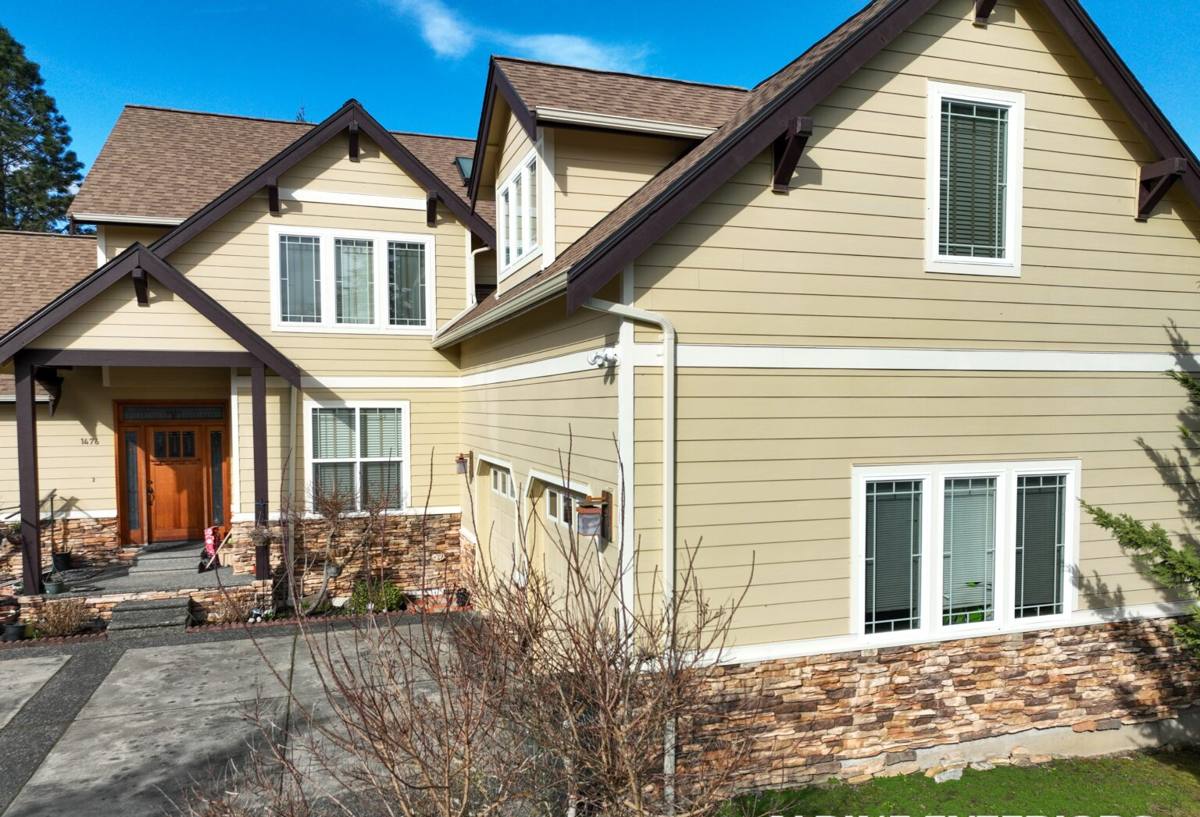
What Sarasota's Climate Does to a Fruitville Roof Over Time
Roof damage in this part of Florida rarely comes from a single dramatic event. More often, it's the accumulation of several stressors working on the same roof year after year.
Hurricane-Force Wind
Even storms that don't make landfall directly on Sarasota County can send sustained wind and gusts through Fruitville strong enough to lift shingle tabs, crack tile, and pull at ridge caps and flashing. Wind doesn't need to peel off an entire roof section to cause a problem — it just needs to break the seal on a handful of shingles or shift one piece of tile out of alignment, and water finds its way in from there.
Intense Year-Round UV
Sarasota gets strong, direct sun for most of the year, and UV exposure breaks down roofing materials from the top down. Asphalt shingles lose their granules and become brittle; sealants and adhesives dry out and crack. A roof that's been baking under Florida sun for years is more vulnerable to wind damage than a newer roof, simply because the materials have less flexibility left in them.
Wind-Driven Rain
Rain that comes in sideways during a storm behaves differently than a normal vertical downpour. It gets pushed up under shingle edges, through gaps around vents and flashing, and into places a roof was never designed to shed water from. This is why a roof can pass a casual visual check and still be leaking during the next storm — the damage is often in the details, not on the surface.
Salt Air Corrosion
Fruitville isn't right on the coast, but Sarasota's proximity to the Gulf means salt-laden air still reaches inland neighborhoods, especially during onshore wind events. Salt accelerates corrosion on metal roof components — fasteners, flashing, vent caps, and gutter hardware — which is a detail that's easy to miss during a repair if the contractor isn't used to working in a coastal-influenced climate.
Signs Your Fruitville Roof Has Storm Damage
Some storm damage is obvious. A lot of it isn't. After any significant wind or rain event, it's worth checking for the following:
- Shingles that look lifted, curled, or missing entirely, especially near roof edges and ridges
- Granules collecting in gutters or at the base of downspouts
- Cracked, slipped, or displaced tiles, particularly on the windward side of the roof
- Water stains on interior ceilings or upper walls that weren't there before the storm
- Soft spots or sagging in the roof deck when walked on (a sign of trapped moisture)
- Bent, lifted, or missing flashing around chimneys, vents, and skylights
- Debris damage — dents or punctures from branches or wind-carried objects
- Gutters pulling away from the fascia or filled with roofing material that shouldn't be there
If you notice any of these, the roof needs a proper inspection before the next rain event, not after.
What a Correct Storm Damage Repair Actually Involves
A repair that looks fine from the driveway isn't always a repair that holds up structurally. A correct job goes through several stages, and skipping any of them is usually where problems come back later.
Full Inspection, Not a Drive-By
We get on the roof, not just look at it from the ground. Storm damage is frequently concentrated in spots that aren't visible from street level — behind chimneys, on lower-slope sections, and around penetrations like plumbing vents. We also check the attic and interior ceilings for signs of water intrusion that hasn't shown up outside yet.
Emergency Mitigation When Needed
If a roof has active exposure — missing shingles, a hole, or torn material — the first priority is stopping water from getting into the home, typically with tarping or temporary sealing, before the full repair is scheduled. This step matters for insurance purposes too, since documented mitigation shows the homeowner took reasonable steps to limit further damage.
Matching Materials Correctly
Repairs that use the wrong shingle profile, tile style, or color stand out visually and can also create a mismatch in how water sheds off the roof. We match materials as closely as possible to what's already installed, and we're upfront when an exact match isn't available so there are no surprises.
Flashing and Underlayment, Not Just Surface Material
A lot of storm leaks trace back to flashing and underlayment damage that's hidden under the visible roofing material. A repair that only replaces shingles or tile without addressing the layer underneath is a repair that's likely to leak again in the next storm.
Documentation
We document damage with photos before, during, and after the repair. This is useful for the homeowner's records and, more importantly, for any insurance claim tied to the storm event.
Common Roofing Materials in Fruitville & How They Handle Storms
Fruitville has a mix of roofing types, and each responds to Sarasota's climate a little differently. This affects both what a storm repair involves and what to expect going forward.
| Material | Wind Resistance | UV / Heat Tolerance | Repair Considerations |
|---|---|---|---|
| Asphalt Shingle | Good when properly sealed; vulnerable at edges and ridges once seal ages | Moderate — granule loss over time with strong sun exposure | Individual shingles can often be replaced; matching color/age can be tricky on older roofs |
| Concrete or Clay Tile | Very good when tiles are properly fastened; individual tiles can crack or shift in high wind | Excellent — tile is largely unaffected by UV | Cracked or slipped tiles usually replaceable individually; underlayment beneath tile still ages and can fail |
| Metal Roofing | Very good with correct fastening; seams and fasteners are the main failure point | Excellent, but coastal salt air accelerates fastener and seam corrosion | Repairs often focus on fasteners, sealant at seams, and corrosion at penetrations |
| Flat / Low-Slope (membrane) | Depends heavily on installation quality and seam integrity | Moderate to good depending on membrane type | Storm damage often shows up as seam separation or ponding-related wear rather than visible material loss |
None of these materials are immune to storm damage — the difference is in where the damage tends to show up and how it needs to be repaired.
Our Process From Call to Completion
- Contact and initial questions. We ask about the storm event, visible damage, and any active leaking so we can prioritize the visit correctly.
- On-roof inspection. We physically inspect the roof and document findings with photos, including areas not visible from the ground.
- Written scope and honest recommendation. We explain what needs repair versus what's cosmetic, and what can reasonably wait.
- Mitigation if needed. If there's active exposure, we address it first to protect the interior of the home.
- Repair. Matching materials, correct flashing and underlayment work, and proper fastening for wind resistance going forward.
- Final walkthrough. We review the completed work with the homeowner and provide documentation for records or insurance.
Insurance Claims and Storm Damage: What Homeowners Should Know
Many storm damage repairs in Sarasota County involve an insurance claim, and the process goes more smoothly when the roof has been properly documented from the start. We provide photo documentation of damage and the completed repair, which homeowners can share with their insurance carrier or adjuster. We're not a public adjuster and we don't handle the claim itself, but a clear, honest scope of work and documentation makes it easier for the homeowner to have that conversation with their insurer without guesswork.
One thing worth knowing: not every roof issue after a storm is a covered claim, and not every claim requires a full roof replacement. A reputable contractor should tell you the difference rather than pushing for the largest possible scope of work.
Why Hiring a Crew That Already Works Fruitville Matters
Storm damage repair isn't the place to learn on the job. A crew that regularly works roofs in Fruitville and the broader Sarasota area already understands the local building department's expectations, has a feel for how different roof types in this area typically fail, and knows what wind and UV exposure actually look like on a roof that's a few years past new. That familiarity shows up in the details — correctly matching materials, catching hidden flashing damage, and fastening repairs to actually hold up in the next round of Gulf Coast weather rather than just looking finished on the day the crew leaves.
It also matters after the storm has passed. Storm damage response often comes with real time pressure, and a local crew that already knows the area can typically respond and schedule faster than a company traveling in from outside the region, especially during periods when storm repair demand is high across Sarasota County.
Get an Honest Look at Your Fruitville Roof
If your roof took a hit in a recent storm, or you're just not sure whether what you're seeing is normal wear or something that needs attention, we're happy to take a look. We'll give you a straightforward assessment and a written estimate with no pressure to do more work than the roof actually needs — fill out the form below to get started.