 Sarasota Window
 Board & Batten Siding in Laurel Park: What the Climate Actually Demands
Laurel Park sits close to downtown Sarasota, in a neighborhood where the housing stock skews older and the architectural character leans toward craftsman and bungalow lines — the kind of homes where vertical board and batten siding was original to the design or fits naturally as an update. That character is worth protecting, but it also means the siding decision carries more weight than it would on a newer subdivision home. Get the material or the installation wrong and you're not just fixing a maintenance headache, you're fighting to keep the house looking like it belongs on its street.
Sarasota County's climate is not gentle on exterior walls. Hurricane-force wind events test every fastener and seam. Year-round UV breaks down paint film and cheaper composite panels faster than homeowners expect. Wind-driven rain finds any gap in flashing or caulk and pushes water sideways, not down. Add salt air drifting inland from the Gulf, and you have a combination that punishes any siding material with weak moisture resistance or a finish that chalks and fades. Board and batten's vertical board joints and exposed battens create more seams than a lap siding profile — which means more places for water to find a way in if the material or the install is second-rate.
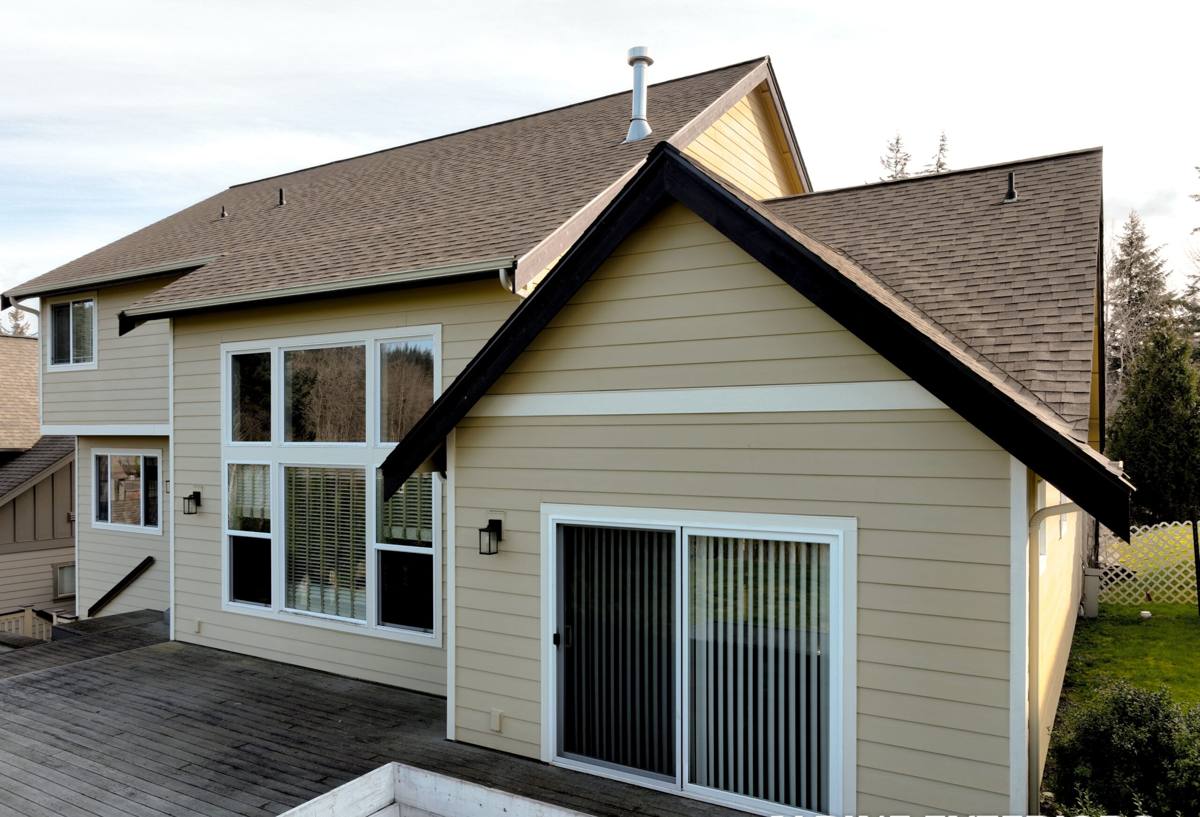
Why Board & Batten Is a Different Job on Laurel Park's Older Homes
Older Sarasota homes bring their own set of considerations that a straightforward new-construction siding job doesn't have to deal with:
- Original framing and sheathing vary in condition. Homes built decades ago may have settled, shifted, or accumulated hidden moisture damage behind old siding that needs to be found and addressed before new material goes up.
- Trim and reveal proportions matter for the look. Board and batten on a craftsman or bungalow-style home reads correctly only when board width, batten spacing, and corner details match the house's original proportions — get the spacing wrong and the whole facade looks off, even if the material itself is excellent.
- Code and permitting can differ by structure age. Older homes sometimes carry different wind-load or setback considerations depending on when they were built and whether they've had prior additions.
- Neighboring homes set a visual standard. In a walkable, older neighborhood like Laurel Park, siding choices are more visible to more neighbors than they would be on a large-lot suburban property — durability and appearance both matter for the long haul.
None of this is exotic knowledge, but it's the kind of thing a crew learns by doing this specific type of work in this specific kind of neighborhood — not by installing production-home siding in a subdivision fifty miles away.
What a Correct Board & Batten Installation Involves
Board and batten looks simple — vertical boards with a narrow strip covering each seam — but the installation sequence is where quality is won or lost, especially under Sarasota's rain and wind exposure.
The building envelope comes first
Before any siding goes up, the wall needs a continuous water-resistive barrier, correctly lapped and sealed at every penetration — window and door openings, hose bibs, electrical boxes, dryer vents. On an older home this often means removing existing siding down to the sheathing, checking for rot or moisture damage, and repairing or replacing compromised framing before moving forward. Skipping this step to save time is the single most common reason siding jobs fail early, regardless of the siding brand on top.
Flashing and drainage
Wind-driven rain doesn't fall straight down — it gets pushed sideways and upward under eaves and around openings. Proper flashing at windows, doors, and any horizontal trim, plus a drainage plane behind the siding, gives water a way out instead of a place to collect. This matters more with vertical siding profiles than horizontal lap, because the seams run in a direction that can channel water if not detailed correctly.
Fastening for wind
Sarasota County sits in a high-velocity hurricane zone, and fastener schedule — the spacing and placement of nails or screws — is engineered to specific wind-load requirements, not just "however far apart looks even." Battens need to be fastened independently in a way that lets the panel behind them handle structural movement without cracking the joint.
Caulking and finish
Every seam, corner, and trim intersection gets sealed with a sealant rated for exterior movement and UV exposure. On a factory pre-finished product this step is far less critical for color retention (the finish is baked on, not field-applied), but joint sealing still protects against water intrusion at every seam.
James Hardie Board & Batten: The Product We Actually Install
We install James Hardie fiber cement exclusively — no vinyl board and batten, no LP SmartSide, no primed wood, no cedar. That's a deliberate standard, not a default. For board and batten specifically, the difference matters:
- Non-combustible material. Fiber cement doesn't burn, rot, or feed termites — a real advantage over wood-based or engineered-wood board and batten in a humid, insect-active climate.
- ColorPlus factory finish. The color is baked on at the factory under controlled conditions, not brushed on at the job site. That finish holds up to Florida UV significantly better than field-applied paint, which is the finish most wood and engineered-wood board and batten systems rely on.
- HZ5 formulation engineering. Hardie's HZ product lines are engineered for specific climate zones, including the moisture and humidity conditions common to Gulf Coast Florida.
- Dimensional stability. Fiber cement doesn't swell, warp, or cup the way wood-based products can when they take on and release moisture repeatedly through Florida's humid seasons — a real risk for board and batten specifically, since warped boards show at every visible seam.
- Transferable warranty backing. A meaningful warranty structure that adds resale value, not just a marketing line.
We get asked from time to time about vinyl board and batten or engineered wood alternatives because they cost less upfront. Our answer is consistent: those products can look similar on day one, but the maintenance burden, moisture sensitivity, or finish durability trade-offs show up faster in this climate than in milder ones — and on a house in a visible, older neighborhood, that shows.
Comparing Board & Batten Material Options
| Material | Moisture Behavior | UV / Finish Durability | Fire Resistance | Typical Long-Term Maintenance |
|---|---|---|---|---|
| James Hardie fiber cement | Dimensionally stable, engineered for humid climates | Factory-baked ColorPlus finish resists fading | Non-combustible | Periodic inspection, caulk touch-up as needed |
| Vinyl board and batten | Can warp or buckle under heat and impact | Fades and becomes brittle with sustained UV over years | Combustible, can melt near heat sources | Low, but replacement (not repair) is often the only fix |
| Engineered wood (e.g. LP SmartSide) | Vulnerable to swelling at cut edges and seams if moisture intrudes | Field or factory finish, still needs upkeep over time | Combustible | Regular inspection of seams and edges, repainting cycles |
| Primed wood / cedar | Prone to moisture absorption, rot, and insect activity without diligent upkeep | Requires repainting or restaining on a recurring cycle | Combustible | Highest — ongoing painting, sealing, and repair |
Our Process for Laurel Park Homeowners
- On-site walkthrough. We assess the existing siding condition, wall framing, window and trim details, and the board and batten proportions that will look correct on your specific home.
- Written estimate. Clear scope, materials, and timeline — no vague allowances that turn into surprise costs mid-project.
- Tear-off and inspection. Old siding comes off, sheathing gets inspected, and any rot or damage gets addressed before new material goes up.
- Weather barrier and flashing. A properly lapped and sealed water-resistive barrier goes on, with flashing at every window, door, and penetration.
- Hardie board and batten installation. Panels and battens installed to manufacturer fastening specs and local wind-load requirements.
- Final seal and walkthrough. Joints caulked, trim finished, and a final walkthrough with you before we call it done.
What Drives the Cost of a Board & Batten Job
| Factor | Why It Matters |
|---|---|
| Extent of tear-off and sheathing repair | Older Laurel Park homes sometimes reveal hidden moisture damage once old siding comes off, which adds repair scope |
| Wall square footage and complexity | Dormers, multiple gables, and detailed trim take more labor than a simple rectangular wall plane |
| Board and batten reveal and spacing | Matching a historic or specific architectural proportion takes more layout time than a standard uniform spacing |
| Trim and corner detailing | Custom corner boards and window trim to match older architectural styling add material and labor |
| Color and finish selection | Standard ColorPlus color offerings are typically less costly than custom color-matching |
Why Hiring a Crew That Already Works Laurel Park Matters
Board and batten installation isn't a commodity task, and a crew that has worked on older Sarasota-area homes before brings something a generalist crew doesn't: they've already seen what's typically hiding behind original siding on homes of this era, they know how local wind-load and permitting requirements apply, and they understand what proportions read correctly on a bungalow or craftsman-style facade. That translates into fewer surprises mid-project and a finished result that actually fits the house and the block.
It also means faster turnaround on questions during the job — a crew unfamiliar with the neighborhood's typical construction era is guessing at things a locally experienced crew already knows going in.
A Few Things Worth Checking Before You Hire Anyone
- Do they install manufacturer-certified installations, and can they explain the fastening schedule they'll use for your wind zone?
- Will they inspect and address sheathing and framing issues before installing new siding, not just cover them up?
- Do they provide a written scope and timeline, not a verbal estimate?
- Can they show you real examples of board and batten proportions and reveal choices, so you can confirm the look before work starts?
- Are they licensed and insured to work in Sarasota County?
Maintaining Board & Batten Siding in a Salt-Air, High-UV Climate
Even durable fiber cement siding benefits from basic upkeep in this climate. Rinse salt residue and grime off the surface periodically, especially on walls facing prevailing wind. Inspect caulked joints and touch up any that have cracked or pulled away — this is the most common early entry point for water on any siding system. After major storms, a quick visual check for loose battens, damaged trim, or debris impact damage catches small problems before they become bigger ones.
If you're weighing board and batten siding for a home in Laurel Park, we're glad to walk the property with you, look at what's there now, and give you a straightforward, no-pressure estimate for what a correct James Hardie installation would involve — fill out the form below to get started.