 Sarasota Window
 Metal Roofing Built for Laurel Park's Older Homes and Coastal Climate
Laurel Park is one of Sarasota's older, closer-in neighborhoods, and it shows in the housing stock: a mix of bungalow-style homes from earlier decades sitting alongside additions, renovations, and newer builds, often under a mature tree canopy just a short drive from the bay. That combination of age, tree cover, and proximity to the water means roofs here take a specific kind of beating. Hurricane-force wind events test every fastener and seam. Year-round UV breaks down lesser materials faster than most homeowners expect. Wind-driven rain finds any gap in flashing or underlayment. And salt-laden air off the Gulf slowly corrodes anything that isn't rated to handle it.
A metal roof, installed correctly, holds up to all of that better than most other roofing options available in Sarasota County. But "installed correctly" is doing a lot of work in that sentence. Metal roofing is unforgiving of shortcuts in a way that shingle roofing often isn't — a poorly flashed valley or an under-spec'd fastener won't show up as a problem on day one, it shows up two or three storm seasons later as a leak, a stain, or a panel that's started to lift. This page covers what a metal roof needs to actually deliver on its promise for a Laurel Park home, and what our process looks like from estimate to final walk-through.
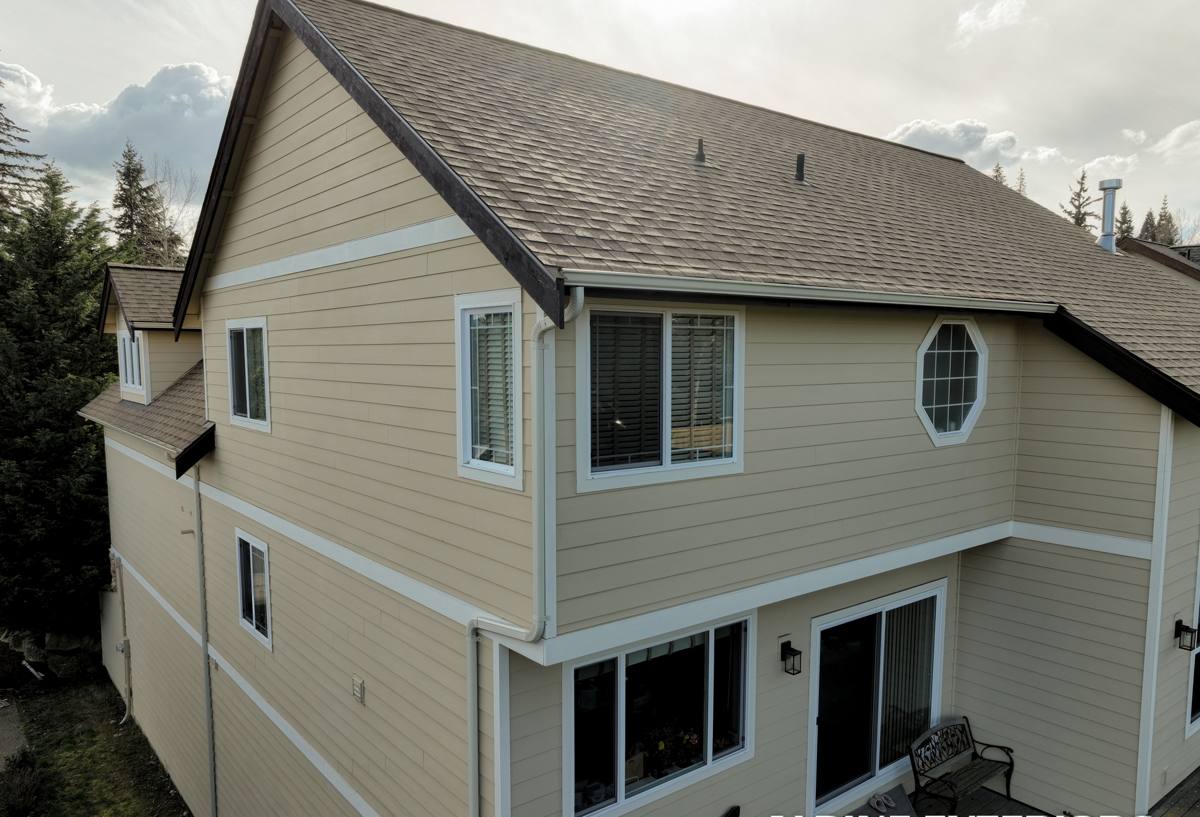
What Laurel Park's Housing Stock Means for the Job
Every neighborhood has its own quirks, and they matter more for roofing than most homeowners realize.
Older roof decks and framing
Homes with original or older roof framing sometimes have deck boards, spacing, or ventilation setups that don't match what a modern metal roofing system expects. Before we ever talk panel colors, we check the deck itself — soundness, spacing, and whether it needs sistering, replacement of damaged sections, or a different underlayment approach to seal properly.
Mixed rooflines from additions and renovations
A lot of houses in this kind of neighborhood have grown over time — a porch enclosed, a garage converted, a rear addition tacked on. That often means multiple roof pitches, valleys, and tie-in points that weren't part of the original design. Each of those transitions is a place where water wants to get in, and it's where a rushed installer cuts corners on flashing.
Tree canopy
Mature trees are one of the things that make older, established neighborhoods desirable, but they also mean more organic debris on the roof, more shade that keeps things damp longer after rain, and branch strike risk in high wind. None of that rules out metal roofing — if anything, metal sheds debris and handles moisture better than most alternatives — but it does affect how we detail gutters, valleys, and edge metal.
What a Correct Metal Roofing Installation Actually Involves
Metal roofing done right is a system, not just a set of panels screwed to a roof. The parts that matter most, and that are easiest for a corner-cutting installer to skip:
- A sound, properly prepared deck — repaired or replaced where soft, rotted, or improperly spaced
- A sealed, self-adhering underlayment (not just felt) at eaves, valleys, and penetrations, giving you a secondary water barrier if wind ever drives rain under a panel edge
- Corrosion-resistant fasteners matched to the panel material — mismatched metals cause galvanic corrosion, which is a common and preventable failure point near the coast
- Properly formed and lapped flashing at every valley, wall tie-in, chimney, and roof-to-wall transition
- Ventilation that matches the home's attic design, so trapped heat and moisture don't cause problems from underneath
- Fastening patterns and clip spacing engineered to the wind zone requirements for this part of Sarasota County, not a generic national default
Skip any one of these and the roof can still look fine for a while. The failures that show up later — corrosion streaks, a lifted panel edge, a leak that only appears in wind-driven storms — almost always trace back to one of these steps being shortcut during installation.
Panel Types: Which Fit a Laurel Park Home
Not every metal roofing product is the right fit for every house, and part of an honest estimate is talking through the real trade-offs instead of pushing one system regardless of the home.
| Panel Type | Best Fit | Trade-Offs |
|---|---|---|
| Standing seam (concealed fastener) | Most homes wanting the longest service life and cleanest look | Higher upfront cost; installation is more labor-intensive and sensitive to detailing |
| Exposed-fastener panels | Budget-conscious projects, secondary structures, additions | Fasteners are a maintenance item over time and are a more likely point of future leaks if not re-torqued or replaced as needed |
| Stone-coated metal shingles/tiles | Homeowners wanting a traditional shingle or tile look with metal's durability | More seams and coating detail than standing seam; installation quality affects long-term water resistance heavily |
For most primary homes in an older, established neighborhood like this, we lean toward standing seam when the budget allows, because it minimizes the number of exposed fasteners and seams that can loosen or corrode over a 30-plus year service life. That said, exposed-fastener systems are a legitimate, lower-cost option for detached garages, sheds, or additions where the tightest possible seal isn't the top priority — we'll tell you honestly when that trade-off makes sense.
Engineering for Wind, Rain, and Salt
Sarasota County sits in a hurricane-prone part of Florida, and building codes here reflect that with wind-load and fastening requirements that are stricter than what you'd see inland. A metal roof installed to code here should include:
- Fastener spacing and clip systems rated for the applicable wind zone for the property's location
- Sealed roof deck construction, which matters for insurance purposes as well as leak prevention
- Metal and fastener alloys chosen with salt-air corrosion resistance in mind, not just cost
- Properly detailed edge metal and drip edges, since high wind uplift almost always starts at an unsecured edge
UV exposure is a quieter issue but a real one — coatings on lower-grade panels can chalk, fade, or degrade over the years under Florida's sun. We only install products with coating systems and warranties built for this kind of year-round sun exposure, not products designed for a milder climate and sold everywhere regardless of region.
Our Process: Estimate Through Cleanup
The process is the same whether it's a straightforward reroof or a more complicated home with multiple additions:
- On-site inspection — we look at the existing roof, deck condition, ventilation, and any tricky transitions before quoting anything
- Honest scope and options — we walk through panel types, cost ranges, and trade-offs specific to your home, not a one-size answer
- Tear-off and deck prep — old roofing removed, deck inspected and repaired as needed
- Underlayment and flashing — the sealed water barrier and all flashing details go in before a single panel is installed
- Panel installation — installed to the fastening and clip specifications required for this wind zone
- Final walk-through and cleanup — magnetic sweep for stray fasteners, full site cleanup, and a walk-through so you know what was done and why
What Affects Metal Roofing Cost in Laurel Park
Every home is different, but these are the factors that most often move the number:
| Factor | Why It Matters |
|---|---|
| Roof complexity (valleys, pitches, dormers) | More cuts, flashing, and labor hours per square |
| Deck condition | Repairs or replacement of soft or damaged decking add material and labor |
| Panel type chosen | Standing seam costs more upfront than exposed-fastener systems |
| Tear-off requirements | Removing multiple existing layers adds disposal and labor cost |
| Access and site conditions | Mature trees, tight lot lines, or limited equipment access can affect labor time |
We'd rather walk you through these factors in person than throw out a broad number that doesn't reflect your actual roof — that's what the estimate visit is for.
Maintenance That Keeps a Metal Roof Performing
Metal roofing is low-maintenance compared to most alternatives, but "low" isn't "none," especially with tree canopy and salt air in the mix:
- Clear leaves and organic debris from valleys and gutters, particularly after storms
- Walk the roofline visually after major wind events, looking for lifted panels or loose trim
- Check exposed fasteners periodically if you have an exposed-fastener system, since gaskets can wear over time
- Keep gutters and downspouts flowing so water isn't backing up under edge metal
- Have a professional inspection every few years, especially after any named storm that affects the area
Why Hiring a Crew That Already Works Laurel Park Matters
A metal roof is a long-term investment, and the value of that investment depends almost entirely on installation quality. A crew that already works in older, established Sarasota neighborhoods like this one has seen the deck conditions, the mixed rooflines from decades of additions, and the tree-canopy realities that come with the territory — and knows what to check for before it becomes a callback. That familiarity translates into fewer surprises during the job and a roof that's actually detailed for the way this specific climate and this specific type of housing stock behave, rather than installed to a generic national spec and hoped to hold up.
If you're weighing a metal roof for your Laurel Park home, we're happy to take a look and give you a straight answer — what your roof actually needs, what it will cost, and why. Reach out for a free, no-pressure estimate using the form below.