 Sarasota Window
 New Roof Installation for Laurel Park Homes
Laurel Park is one of Sarasota's older, tree-canopied neighborhoods, and that character comes with a roofing reality: many homes here are due for a full roof replacement, not another round of patch repairs. Between the age of the housing stock, the mature oak canopy overhead, and decades of Gulf Coast weather, a lot of Laurel Park roofs are past the point where spot repairs make financial sense. When a roof is leaking in more than one place, when shingles are curling and granules are washing into the gutters, or when a repair estimate starts creeping toward half the cost of a new roof, it's time to talk about installation instead of patchwork.
This page is about that one service — new roof installation — as it applies specifically to Laurel Park. We'll cover what the climate demands, what a correctly installed roof actually involves, how our process works from estimate to final inspection, and why local experience matters more than most homeowners realize until it's their roof leaking during a July downpour.
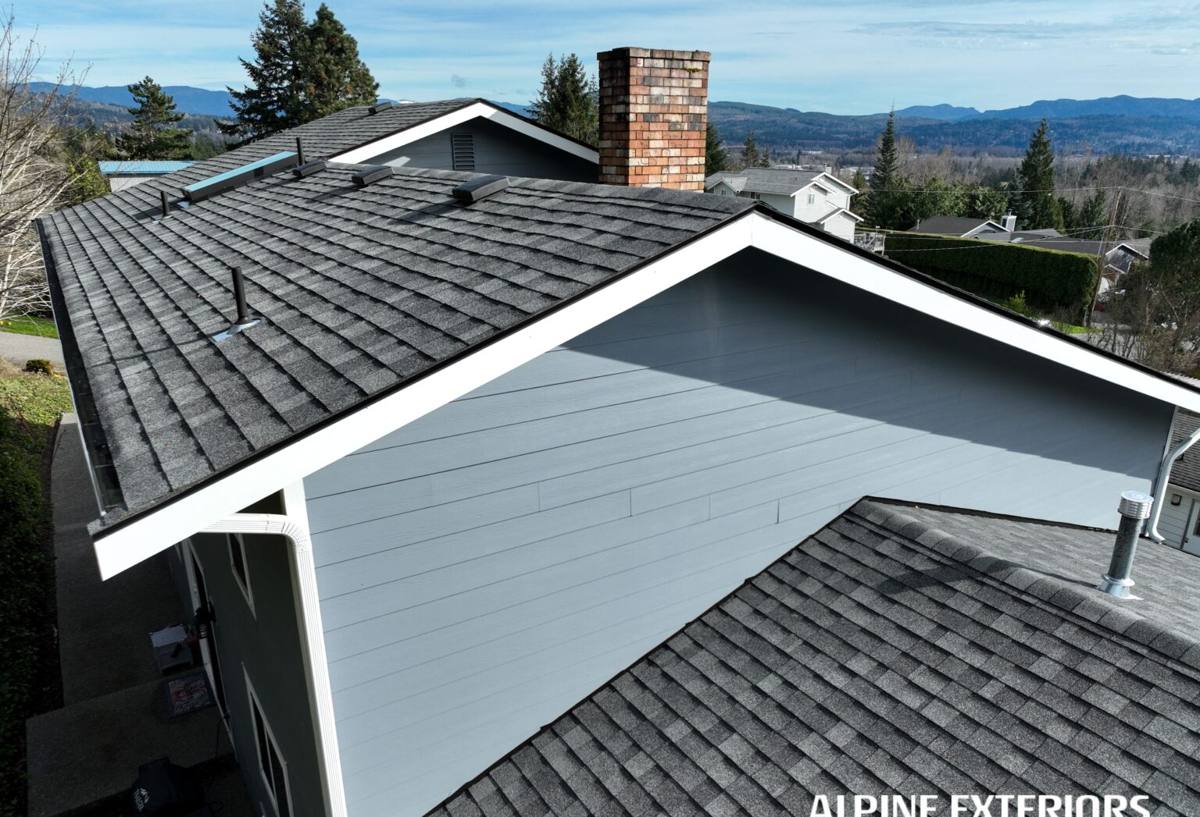
What Sarasota's Climate Does to a Roof
Every roof on the Gulf Coast is fighting the same combination of stresses, and Laurel Park is no exception. Hurricane-force winds test every fastener, seam, and flashing detail a roof has. Intense, near year-round UV breaks down shingle asphalt and adhesive faster than it would in a milder climate. Wind-driven rain doesn't just fall on a roof — it gets pushed sideways and upward under loose edges and poorly sealed penetrations. And salt air, even well inland from the bay, slowly corrodes exposed metal fasteners, flashing, and vents that aren't rated for a coastal environment.
Individually, none of these are exotic problems — every roofer in Florida deals with them. But Sarasota County sees them layered together, year after year, which is why a roof built to a generic national spec often underperforms here even if it looked fine on installation day. The roofs that hold up in Laurel Park are the ones installed with this specific combination of stresses in mind from the start.
Why Tree Canopy Adds a Wrinkle
Laurel Park's mature tree cover is part of what makes the neighborhood pleasant to live in, but it changes roofing math. Overhanging limbs mean more debris in valleys and gutters, more shade that keeps roof surfaces damp longer after rain, and a higher chance of falling branches during storms. None of that rules out any particular roofing material, but it does mean gutter design, valley detailing, and debris clearance deserve more attention on a shaded lot than on an open one.
Signs a Laurel Park Roof Needs Full Replacement
Homeowners often ask how to tell the difference between "needs a repair" and "needs a new roof." There's no single test, but a few patterns show up consistently in this area:
- Multiple active leaks in different areas of the roof, rather than one isolated spot
- Shingles that are curling, cracking, or losing significant granule coverage across large sections
- Visible sagging in the roof deck, which points to underlying structural or moisture damage
- A roof approaching or past the manufacturer's expected service life for this climate
- Flashing around chimneys, skylights, or wall intersections that has been re-sealed repeatedly instead of replaced
- Storm damage significant enough that insurance is already involved in the conversation
- An attic that shows daylight, water staining, or damp insulation after heavy rain
One or two of these can sometimes be handled with targeted repair. Several at once, on an older roof, usually means replacement is the more honest recommendation — and we'll tell you that directly rather than stringing along repair visits on a roof that's already decided its own fate.
What a Correct New Roof Installation Involves
A new roof is more than shingles on plywood. The parts that actually determine whether a roof survives its first serious storm are mostly invisible once the job is done, which is exactly why they're worth understanding before you hire anyone.
Tear-Off and Deck Inspection
We remove the old roofing down to the deck rather than layering over it. This lets us actually see the plywood or OSB underneath, replace any sections that are soft, delaminated, or water-damaged, and confirm the deck is properly fastened before anything new goes on. Skipping this step is one of the most common shortcuts in the industry, and it's also one of the fastest ways to end up with a roof that fails from the inside out.
Underlayment and Water Barrier
In a wind-driven-rain climate, the underlayment layer matters almost as much as the visible roofing material. We use underlayment systems suited to Gulf Coast conditions, with particular attention to eaves, valleys, and any low-slope transitions where water is most likely to find a way in.
Fastening and Wind Rating
Florida's building code sets minimum wind-uplift standards for a reason, and Sarasota County enforces them through permitting and inspection. Correct fastener pattern, nail placement, and product wind rating are what actually keep a roof attached in a hurricane — not the brand name on the shingle wrapper. We install to the wind-rating requirements for this area, not a generic national minimum.
Flashing and Penetrations
Chimneys, skylights, plumbing vents, and wall-to-roof transitions are where most leaks start, regardless of how good the field shingles are. Correct flashing detail — and using corrosion-resistant metal given the salt air here — is a bigger factor in long-term leak prevention than most homeowners realize.
Ventilation
Proper attic ventilation extends shingle life by keeping temperatures and moisture in the attic in check. In Florida's heat, an under-ventilated attic can cook a new roof from underneath well before its expected lifespan is up.
Roofing Material Options for Laurel Park
There's no single "best" roofing material for every home — the right choice depends on budget, the home's structure, its architectural style, and how long you plan to own it. Here's an honest comparison of the options we discuss most often with Laurel Park homeowners.
| Material | Typical Lifespan Here | Wind Performance | Maintenance |
|---|---|---|---|
| Architectural asphalt shingle | 18–25 years | Good, when installed with correct fastening and rated products | Low; periodic gutter and debris checks |
| Standing seam metal | 30–50+ years | Excellent when properly fastened | Low; fastener and sealant checks over time |
| Concrete or clay tile | 30–50+ years | Very good, dependent on underlayment and attachment system | Moderate; underlayment is the wear point, not the tile |
| Flat/low-slope membrane (for additions or porches) | 15–20 years | Good with correct seaming and drainage | Moderate; needs periodic inspection for ponding |
We'll walk through which of these fits your home's roof structure, your budget, and how the shade from mature trees will affect long-term performance, rather than pushing whatever happens to be in stock.
Cost Factors Homeowners Should Understand
We don't publish blanket prices because roof cost depends on real, home-specific variables — but knowing what drives the number helps you evaluate any estimate you receive, from us or anyone else.
| Factor | Why It Matters |
|---|---|
| Roof size and number of facets | More cuts, hips, and valleys mean more labor and material waste |
| Deck condition | Rotted or delaminated decking found during tear-off requires replacement before installation |
| Material choice | Shingle, metal, and tile carry different material and labor costs |
| Roof pitch and accessibility | Steep or hard-to-access roofs take longer and require more safety setup |
| Permitting and code requirements | Sarasota County wind-rating and inspection requirements are non-negotiable and built into the scope |
| Tree-related prep | Overhanging limbs sometimes need trimming back before work can begin safely |
Our Process, Start to Finish
- On-site inspection — we assess the current roof, the deck, attic ventilation, and any storm damage, and give you a straight answer on repair versus replacement.
- Written estimate — a clear scope of work and material options, with no pressure to decide on the spot.
- Permitting — we pull the required Sarasota County permit and build the job to the applicable wind-uplift code, not a minimum-effort version of it.
- Tear-off and deck repair — old roofing removed, deck inspected, any damaged sections replaced.
- Underlayment, flashing, and installation — installed in the sequence and detail that actually resists wind-driven rain, not just the sequence that's fastest.
- Cleanup and debris removal — including a magnetic sweep for stray nails and screws around the property.
- Final walkthrough and inspection — we review the finished roof with you and coordinate the required county inspection sign-off.
Why Local Experience in Laurel Park Matters
A roofing crew that regularly works Laurel Park already knows things a crew driving in from another market has to learn on your dime: the age range of the housing stock in the neighborhood, the way mature tree canopy affects valley and gutter design, and the specific wind and rain exposure this part of Sarasota County sees compared to more open coastal areas. That familiarity shows up in fewer surprises during tear-off, more accurate estimates up front, and a finished roof detailed for the conditions it will actually face — not a generic specification.
It also matters for permitting. Sarasota County's inspection process moves faster and more predictably when a contractor has an established, correct track record with local building officials.
A Quick Homeowner Checklist Before You Commit
- Get a written scope of work, not just a total price
- Confirm the contractor is licensed to work in Florida and pulls proper permits
- Ask specifically what underlayment and fastening system will be used, not just the shingle brand
- Ask how deck repairs, if discovered, are priced — before work starts, not after
- Confirm what wind rating the installed system carries for this area
- Ask how debris and old materials will be removed and disposed of
If a new roof is on your mind for a Laurel Park home, we're glad to take a look and give you a straightforward assessment — repair, replacement, or somewhere in between — along with a free, no-pressure estimate. The form below is the easiest way to get started.