 Sarasota Window
 Why Longboat Key Decks Wear Out Faster Than Most
Longboat Key sits on a narrow barrier island between the Gulf of Mexico and Sarasota Bay, which means every deck out here is exposed to conditions that decks even a few miles inland never see. Salt-laden air moves across the island constantly, not just during storms, and it settles into wood fibers, metal fasteners, and connector hardware year-round. Add in some of the most intense, sustained UV exposure in the continental United States, frequent wind-driven rain, and the outer bands of tropical systems that Sarasota County sees most seasons, and you have a combination that ages decking material two to three times faster than a comparable structure in a drier, cooler climate.
Homeowners on Longboat Key often tell us their deck "just doesn't look old enough to be falling apart." That's the nature of coastal deterioration — it works from the inside out. Fasteners corrode inside the wood before the surface shows much change. Ledger board connections lose integrity behind siding long before boards start visibly cupping. By the time a deck looks bad on Longboat Key, the structural clock has usually been running much longer than the cosmetic one.
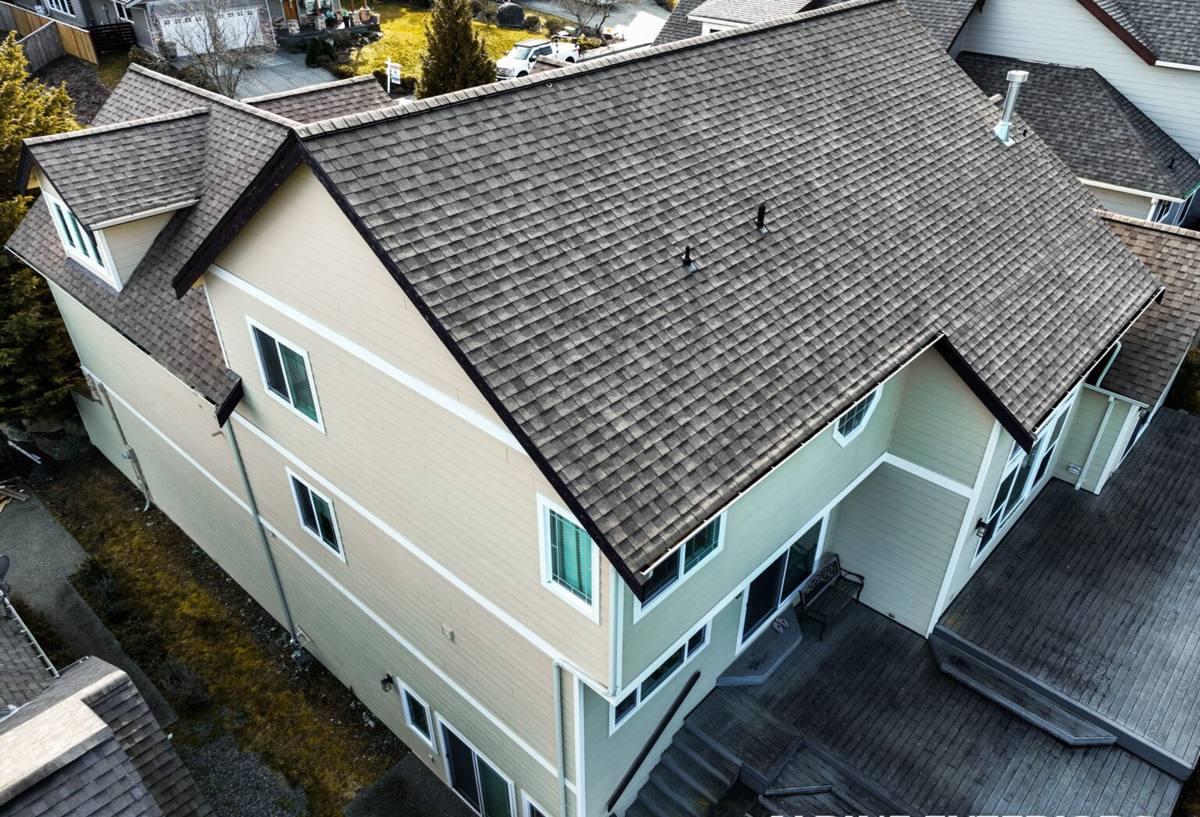
Repair or Replace? Reading the Real Signs
Not every aging deck needs full replacement, but on the island, a repair-only approach often ends up chasing the same problems every year. Here's how we tell homeowners to think about it.
- Soft or spongy spots underfoot, especially near the house or stair stringers, usually mean moisture has reached the framing, not just the surface boards.
- Rust streaking around fastener heads or connector plates is a sign the hardware itself is failing, not just staining the wood.
- Ledger board separation from the house, even a hairline gap, is a structural red flag that should never be patched and ignored.
- Wobble in the railing system often points to post connections that have corroded or loosened at the base.
- Cupping, splitting, or silvering boards across most of the deck surface, rather than in isolated spots, usually means the whole board run reached end of life at roughly the same time — which makes sense, since it was all installed and exposed together.
If the issues are isolated to a handful of boards and the frame underneath tests solid, repair can make sense. If the damage is spread across the structure or touches framing and connections, replacement is the more honest recommendation — and it's usually the more cost-effective one over a five-year horizon, since a full rebuild lets us correct drainage, fastening, and structural issues all at once instead of patching around them repeatedly.
Choosing a Decking Material for This Environment
There's no single "best" decking material for every home — it depends on budget, how the deck is used, and how much upkeep the homeowner actually wants to do. What we won't do is recommend a product based on trend or margin instead of how it performs in salt air and full Gulf sun. Here's the honest breakdown we walk homeowners through.
| Material | Coastal Durability | Maintenance | Trade-offs |
|---|---|---|---|
| Pressure-treated wood | Moderate — needs consistent sealing | High: annual inspection, periodic re-sealing | Lowest upfront cost, but salt air accelerates fastener corrosion and checking |
| Composite decking | Strong — resists rot and salt absorption | Low: periodic cleaning | Higher upfront cost; quality varies significantly by manufacturer and core construction |
| PVC/capped polymer | Very strong — fully sealed surface | Low: rinse and clean | Highest upfront cost; some products run hotter underfoot in direct sun |
| Tropical hardwoods | Strong if properly maintained | Moderate to high: oiling schedule | Dense and durable but requires disciplined maintenance to hold up long-term in salt air |
What matters more than the material category is installation quality — how the substructure drains, what fastener hardware is used, and whether the manufacturer's coastal-rated hardware specifications were actually followed. We've seen quality composite decking fail early because it was fastened with the wrong hardware for a salt environment, and we've seen well-maintained wood decks outlast expectations because the framing underneath was built to shed water properly.
Fasteners and Hardware Matter as Much as the Boards
On a barrier island like this one, standard galvanized fasteners are often not enough. We use stainless steel or coated fasteners rated for coastal and marine-adjacent exposure on every Longboat Key project, along with corrosion-resistant joist hangers and post bases. This is one of the areas where cutting corners doesn't show up as a problem for a year or two — but it will show up.
What a Correct Deck Replacement Actually Involves
A deck replacement isn't just pulling up old boards and screwing down new ones. Done right, it starts below the surface.
- Full structural assessment of the ledger connection, support posts, footings, and joists — not just the decking surface.
- Ledger board reattachment or replacement with proper flashing to stop water intrusion where the deck meets the house, a common failure point in wind-driven rain climates.
- Framing repair or replacement using lumber and hardware rated for the exposure level, sized to current wind load requirements.
- Footing and post evaluation, especially important on older Longboat Key homes where footings may not meet current code depth or bearing requirements.
- Proper spacing and fastening of the decking surface to allow for material expansion and drainage, which varies by product.
- Railing and stair system installation built to current code, since older railings on the island were often installed under looser standards than what's required today.
Skipping the structural steps and only replacing the visible boards is the single most common shortcut we see when we're called in to evaluate a deck that "was just redone a few years ago" but is already failing again.
Florida Building Code and Permitting on Longboat Key
Deck replacement on Longboat Key falls under Florida Building Code wind load requirements, and permitting is handled through the Town of Longboat Key building department (properties on the Sarasota County side) or Manatee County, depending on exactly where the home sits, since the town spans both counties. A proper replacement project should always be permitted and inspected — this isn't bureaucratic box-checking, it's the mechanism that catches undersized framing or improper ledger attachment before it becomes a safety issue. Any contractor proposing to skip permitting on a structural deck replacement should be a red flag, not a convenience.
Wind load requirements in this part of Sarasota County are higher than in many inland Florida markets, given the exposure category for barrier island properties. That affects fastener spacing, post sizing, and railing attachment details — all things that should be engineered into the plan, not left to standard lumberyard specs.
How Our Deck Replacement Process Works
We keep the process straightforward and try to remove the guesswork for homeowners who may not deal with contractors often.
- On-site assessment: we inspect the existing deck, framing, and ledger connection in person before quoting anything.
- Honest recommendation: repair, partial rebuild, or full replacement — based on what we actually find, not a default upsell.
- Material walkthrough: we go over decking options, hardware specifications, and realistic maintenance expectations for your specific exposure on the property.
- Permitting handled for you: we manage the permit application and inspection scheduling with the appropriate jurisdiction.
- Demolition and structural rebuild: old decking and any compromised framing removed and replaced to current code.
- Final walkthrough: we go over the finished deck with you, including care instructions specific to the material installed.
Cost Factors for Longboat Key Deck Replacement
Every project is different, but the factors that move the price on the island tend to be consistent. We give homeowners a real range after the on-site assessment, not a phone-quote guess.
| Factor | Why It Affects Cost |
|---|---|
| Deck size and footprint | More square footage means more material and labor, straightforwardly |
| Material selection | Pressure-treated wood, composite, and PVC carry different material costs and installation labor |
| Framing condition | Extensive joist, post, or footing replacement adds labor beyond surface-level work |
| Height and elevation | Elevated decks common on the island require more substantial support structures |
| Railing and stair complexity | Multiple stair runs or custom railing designs add labor and material |
| Access for equipment and material staging | Some Longboat Key lots have tight access that affects labor time |
We'd rather walk a homeowner through these factors honestly during the estimate than quote a number over the phone that changes once we're on site.
Keeping a New Deck Performing Long-Term
Even the right material and a correct build benefit from basic upkeep in this climate. A short, realistic maintenance routine goes a long way on the island.
- Rinse the deck surface periodically to clear salt residue, especially after storms or extended dry, windy stretches.
- Inspect railing posts and stair connections at least once a year for movement or corrosion.
- Keep gutters and downspouts near the deck clear so runoff isn't draining directly onto the structure.
- Reseal wood decking on the manufacturer's recommended schedule — don't wait for visible graying to start.
- Watch for standing water on the deck surface after rain, which can indicate a drainage or slope issue worth addressing early.
Why a Crew That Already Works Longboat Key Matters
Building or replacing a deck for barrier island exposure is a different job than building one three miles inland. A crew that regularly works Longboat Key already knows the wind exposure categories, the permitting process for both county jurisdictions that touch the town, and which hardware and fastening details actually hold up against salt air rather than just meeting the minimum code requirement. That experience shows up in details a homeowner might not think to ask about — how the ledger flashing is detailed, what fastener grade gets specified, how footings are evaluated on older island lots. It's the difference between a deck that needs attention again in three years and one that performs for the long haul.
If you're weighing repair versus replacement, or you just want an honest look at what your deck actually needs, we're happy to come take a look. The estimate is free, there's no pressure, and you'll get a straight answer about what your Longboat Key property really needs — use the form below to get started.