 Sarasota Window
 Why Longboat Key Demands a Different Window
Longboat Key sits out on a barrier island between the Gulf of Mexico and Sarasota Bay, which means every window on the property is exposed to conditions that inland Sarasota County homes simply don't deal with to the same degree. Salt-laden air moves through the glass and hardware every day, not just during storms. UV exposure is intense and constant, nearly year-round. And because the island catches wind off open water with nothing to slow it down, both routine gusts and hurricane-force winds hit harder here than they do a few miles inland.
Energy-efficient windows for a Longboat Key home have to solve two problems at once: keep conditioned air inside and heat/UV load outside, while also standing up to wind-driven rain, salt corrosion, and windborne debris. A window that's efficient but not built for coastal exposure will underperform fast — seals degrade, hardware corrodes, and the efficiency gains you paid for disappear within a few seasons. That's the gap we work in.
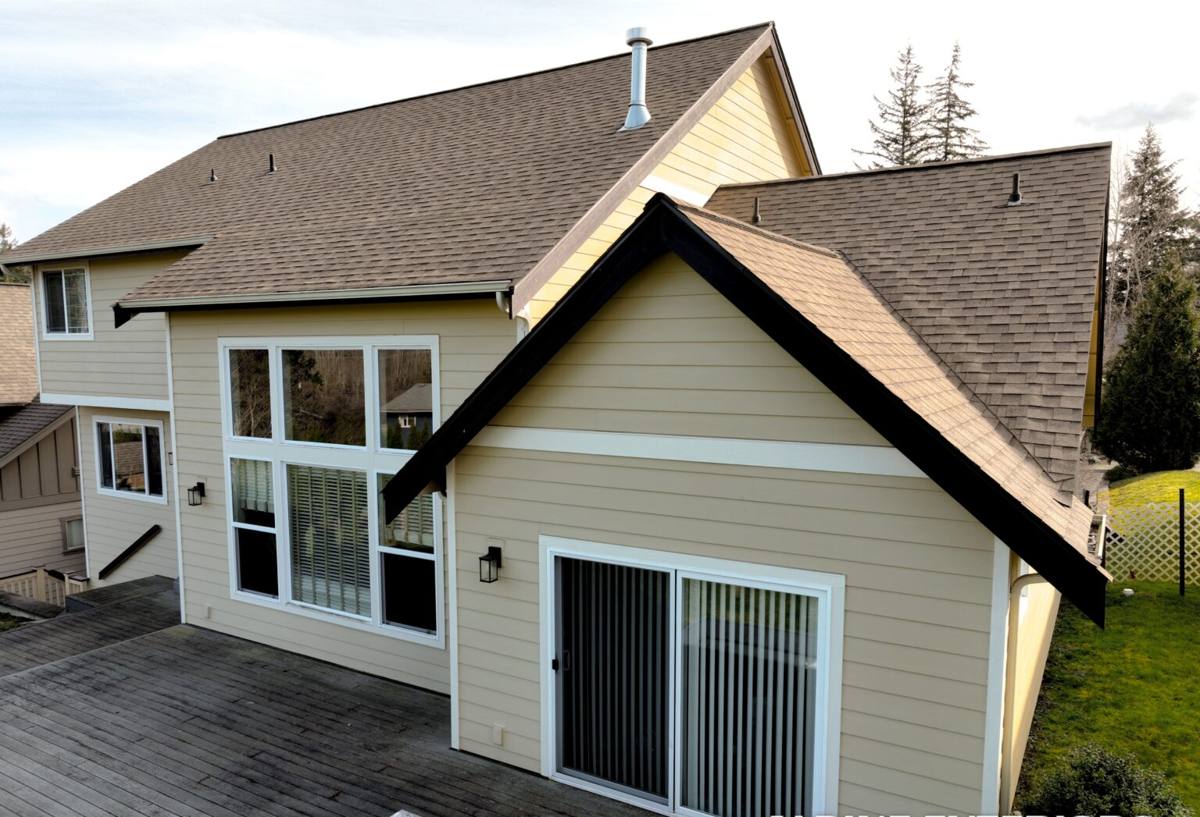
What "Energy-Efficient" Actually Means in This Climate
Inland or up north, energy efficiency is mostly about winter heat loss. On Longboat Key, the math is almost entirely about heat gain and humidity control. The goal is keeping solar heat and moisture out so your HVAC system isn't fighting the sun and the Gulf all day.
The glass package does most of the work
The single biggest factor in a window's real-world performance here is the glass, not the frame. We spec Low-E coated, impact-rated laminated glass with an insulated air or gas-filled space between panes. Low-E coatings reflect solar radiation before it ever becomes heat inside the house, which matters enormously on a west- or south-facing elevation catching full Gulf sun. The lamination layer that makes the glass impact-resistant also happens to block a significant amount of UV transmission, which helps protect flooring, furniture, and window treatments from fading.
Frame material has to survive salt, not just look good
Aluminum and vinyl-composite frames with marine-grade or coastal-rated hardware hold up best against salt air corrosion. We steer clients away from anything with exposed steel fasteners or hardware that isn't rated for coastal exposure — not because those products are bad in general, but because on a barrier island they corrode faster and the maintenance burden isn't worth it. Frame color and finish matter too; darker finishes absorb more heat, which can slightly offset glass performance on west-facing exposures.
Wind, Water, and the Building Code Reality
Sarasota County sits in a high-velocity hurricane zone under the Florida Building Code, and Longboat Key's coastal location typically puts homes at the upper end of the county's required design pressures. In practice, that means new and replacement windows need documented approval for both wind load and large-missile impact — the product has to be tested and labeled for the pressures your specific home and elevation require, not just "hurricane rated" in a general sense.
This isn't just a permitting formality. It's also directly tied to energy efficiency and comfort:
- A window that isn't properly rated for wind pressure can flex under gusts, which breaks the seal integrity that keeps conditioned air in and humid outside air out.
- Wind-driven rain during tropical storms and squalls finds any weak point in flashing or sealant — once water gets behind the frame, insulation and drywall are compromised even if the glass itself never breaks.
- Impact-rated laminated glass, beyond storm protection, also improves sound dampening and thermal stability compared to older single-pane or non-laminated dual-pane units common in older island homes.
We pull permits and install to the wind pressure requirements for your specific property, not a generic minimum — Longboat Key's exposure category often calls for a higher rating than what's standard a few miles inland in Sarasota.
What a Correct Installation Actually Involves
Buying the right window is half the job. The other half is installation detail that most homeowners never see but that determines whether the window performs for fifteen years or fails in three.
Before the window ever goes in
- Rough opening inspection for water damage, wood rot, or corrosion from prior leaks — common in older island homes with decades of salt exposure
- Verification of existing flashing and weather barrier condition, repaired or replaced as needed rather than covered over
- Confirmation of the required wind load and impact rating for that specific opening based on elevation and exposure
During installation
- Correct shimming and anchoring per the manufacturer's tested installation instructions — this is what the wind rating actually depends on, not just the window itself
- Sealant compatible with coastal conditions at every penetration point, applied in the correct order relative to flashing (water management has to shed outward, never trap moisture behind the frame)
- Fasteners and hardware rated for salt air exposure, torqued to spec rather than just "snug"
- Interior and exterior trim sealed and finished to prevent moisture intrusion at the frame perimeter
Skipping or rushing any one of these steps is how a good window ends up performing like a cheap one. Most of the failures we get called out to fix on the island aren't bad windows — they're good windows installed without accounting for the exposure and wind pressure the opening actually sees.
Comparing Your Options
Homeowners often come to us comparing frame materials or glass upgrades without a clear sense of the trade-offs specific to a coastal barrier island. Here's how the common choices stack up for Longboat Key conditions:
| Option | Coastal Durability | Energy Performance | Maintenance |
|---|---|---|---|
| Aluminum frame, impact laminated glass | Strong — resists warping, handles salt air well with proper finish | Good with thermal break and Low-E glass | Low; occasional hardware inspection |
| Vinyl-composite frame, impact laminated glass | Good; avoid dark colors in full sun exposure | Very good insulating properties | Low |
| Wood or wood-clad frame | Weaker in direct salt exposure; needs more upkeep | Good, but performance depends heavily on maintenance | High — refinishing and sealant checks needed regularly |
| Non-impact dual-pane with storm shutters | Requires shutters deployed before every storm; frame itself unprotected day to day | Comparable glass performance, no added UV/impact lamination benefit | Moderate; shutter upkeep and deployment labor |
We generally recommend aluminum or vinyl-composite frames with laminated impact glass for full-time Longboat Key residences, since they remove the "remember to close the shutters" step and keep the UV and efficiency benefits engaged year-round, not just during named storms.
Cost Factors Worth Understanding
We don't quote firm numbers without seeing the openings, but the factors that actually move the price on a Longboat Key job are worth knowing before you start shopping:
- Wind pressure rating required for your elevation — higher-rated products cost more, and Longboat Key exposures often require a higher rating than comparable homes further inland.
- Window size and configuration — large openings, sliding or picture windows, and custom shapes cost more per square foot than standard operable units.
- Existing opening condition — if we find water damage or rot behind the old frame, that repair is additional scope, but skipping it undermines everything installed afterward.
- Frame material and glass package — impact laminated Low-E glass costs more upfront than standard dual-pane, but it's doing storm, UV, and efficiency work simultaneously.
- Permitting — Sarasota County permit and inspection fees apply to window replacement work meeting code, and we handle that process as part of the job.
Signs Your Current Windows Are Underperforming
Older windows on the island often show damage before homeowners notice the energy loss driving up their cooling bills. Watch for:
- Visible fogging or condensation between panes, which means the seal has failed and the insulating gas or air gap is gone
- Chalky white corrosion (oxidation) on aluminum hardware or frame surfaces
- Frames that feel warm to the touch on the interior side during peak afternoon sun
- Difficulty operating sliders or cranks — often salt corrosion in the tracks or hinges
- Soft spots, staining, or bubbling paint on interior trim around the window, which usually points to water intrusion behind the frame
Any of these mean the window is no longer doing its job, and in a lot of cases the underlying frame or wall assembly is quietly deteriorating behind it.
Why Local Install Experience Matters Here
Longboat Key isn't a typical Sarasota County installation environment. Crews who mostly work inland neighborhoods aren't necessarily used to sizing for the wind pressures the island's exposure categories require, or familiar with how fast standard hardware corrodes this close to open Gulf water. We work this island regularly, so we already know what the permitting office expects for documentation, what installation details actually hold up to salt air over years rather than months, and which product lines have a track record of performing on barrier island homes versus ones that look fine on a spec sheet but struggle here.
That experience shows up in details a homeowner might not think to ask about — the right sealant chemistry for a beachfront exposure, hardware that won't seize up in two years, and flashing details that account for wind-driven rain hitting the wall at an angle rather than straight on. Getting those right the first time is cheaper than fixing water damage later.
Our Process
- On-site assessment — we inspect existing openings, note any water damage or corrosion, and measure for the correct wind load and impact rating based on your home's exposure.
- Product and glass selection — we walk through frame material and glass package options suited to your elevation, sun exposure, and budget, with the trade-offs laid out plainly.
- Permitting — we handle the Sarasota County permit application and required documentation for the approved products and ratings.
- Installation — correct flashing, sealing, anchoring, and hardware per manufacturer specifications, with attention to the coastal-specific details outlined above.
- Final inspection and walkthrough — we confirm proper operation, sealing, and code compliance, and pass the county inspection before calling the job complete.
If your Longboat Key windows are fogging, corroding, running hot in the afternoon sun, or just overdue for an upgrade, we're happy to take a look and give you a straightforward, no-pressure estimate. Fill out the form below and we'll get you scheduled.