 Sarasota Window
 Longboat Key's Barrier Island Climate Puts Unique Demands on Siding
Longboat Key sits out on a narrow barrier island, exposed on one side to the Gulf of Mexico and on the other to Sarasota Bay. That position means homes here take a harder hit from the weather than most inland Sarasota County properties. There's little to break the wind, so hurricane-force gusts arrive with more force and more moisture behind them. Salt-laden air moves through constantly, not just after a storm, and it settles into anything porous or poorly sealed. Add in some of the most intense, sustained UV exposure in the state, and you have a combination that ages ordinary siding faster than it would almost anywhere else in the region.
None of that is a reason to avoid siding replacement on a barrier island home — it's a reason to be deliberate about the material and the installation. A siding system that's a good fit for a shaded inland lot can fail early out here. What holds up on Longboat Key is a product engineered for coastal exposure, installed by people who understand why the details matter in this specific environment.
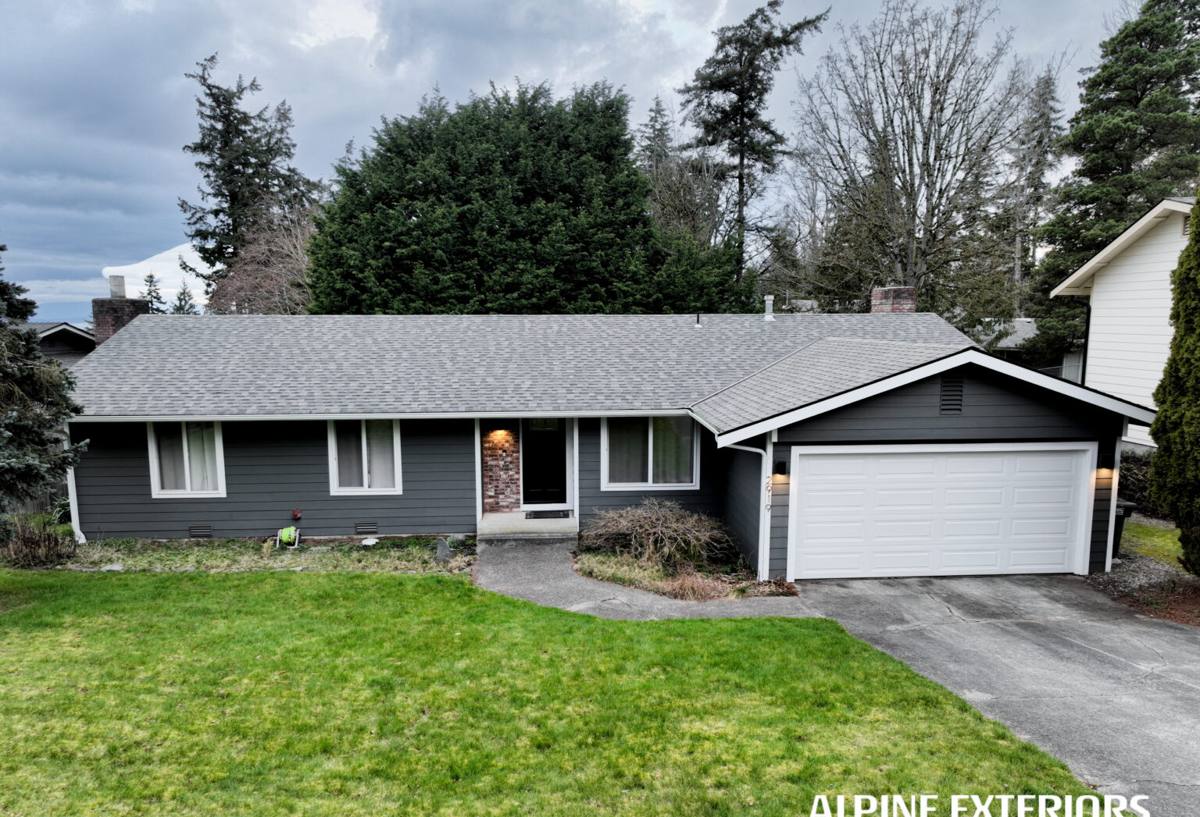
Signs Your Longboat Key Home's Siding Has Reached the End of Its Life
Coastal siding failure doesn't always announce itself with a dramatic problem. More often it shows up as a handful of small issues that, taken together, mean the material is done doing its job.
- Paint that's chalking, peeling, or fading noticeably faster than the rest of the house
- Soft spots, bubbling, or visible swelling, especially near the bottom edges and corners
- Panels that have warped, cupped, or pulled away slightly from the wall
- Persistent staining or dark streaking that pressure washing won't fully remove
- Visible corrosion around fasteners, trim, or metal flashing
- A musty smell near exterior walls, or interior wall discoloration in the same areas
- Cracking or splitting along seams and butt joints
- Rising energy bills that suggest the wall assembly isn't sealing the way it used to
Any one of these can be a minor repair. Several showing up at once, especially on a home that's taken a few storm seasons of direct Gulf exposure, usually means the siding system as a whole is past the point where patching makes sense.
What a Correct Siding Replacement Involves in This Environment
Removing what's failing without hiding what's underneath
A proper tear-off isn't just stripping the old siding — it's the point where we find out what's actually happening behind it. On a barrier island home, that often means checking sheathing for moisture damage, confirming window and door flashing is intact, and looking for any spots where wind-driven rain has been finding its way in over the years. Skipping this step and simply installing new siding over unknown problems is how homeowners end up with the same failure a few years later, just hidden behind fresh material.
Moisture management comes first
Wind-driven rain on an exposed barrier island lot doesn't behave like rain on a sheltered inland site — it hits siding at an angle and with enough force to find any gap in the weather-resistive barrier. Before a single piece of new siding goes up, that barrier needs to be continuous, properly lapped, and correctly integrated with window and door flashing. This is the layer that actually keeps water out of the wall assembly; the siding itself is the second line of defense, not the first.
Fasteners, flashing, and trim rated for salt air
Standard fasteners and trim components corrode faster in salt-laden coastal air than they do a few miles inland. Correct installation on Longboat Key means using fastener and flashing materials rated for that exposure, with attention to every point where dissimilar metals or untreated hardware could become the weak link in an otherwise sound installation.
Why We Install Only James Hardie Fiber Cement on Longboat Key Homes
We don't install vinyl, LP SmartSide, Cemplank, Allura, or primed wood siding, and on a barrier island property the reasons matter even more than they do elsewhere in Sarasota County. Vinyl can warp and become brittle under sustained heat and UV, and high wind events put real stress on its interlocking panel system. Wood-based and OSB-based products need their protective coatings to stay intact to resist moisture — a much harder standard to maintain in an environment with near-constant salt air and humidity.
James Hardie fiber cement is engineered differently. It's non-combustible, doesn't support rot, and holds up to sustained moisture exposure without the swelling or delamination risk that affects wood-based products. Hardie's ColorPlus factory finish is baked on and warrantied against fading and chipping, which matters enormously here — repainting a coastal home every few years because the finish gave out isn't a cost most owners want to plan around. Hardie also builds region-specific product lines, including formulations engineered for high-humidity, high-moisture climates like ours, which is a meaningful advantage over a one-size-fits-all siding product on an island lot.
We standardized on Hardie because it's the product we're comfortable putting our name behind on the properties that take the hardest weather in our service area. That's not a knock on every alternative in every situation — it's a professional judgment call based on what actually holds up out here, and we'd rather tell homeowners that directly than install something we don't fully stand behind.
Cost Factors for Siding Replacement on Longboat Key
Every project is different, but a few factors consistently move the price on barrier island jobs more than they would on a typical inland Sarasota County home.
| Factor | Why It Affects Cost on Longboat Key |
|---|---|
| Tear-off and disposal | Older siding on exposed coastal homes is more likely to be waterlogged or contaminated, which affects removal time and disposal |
| Substrate repair | Salt air and wind-driven rain increase the odds of sheathing or framing damage discovered once old siding comes off |
| Fastener and flashing grade | Coastal-rated hardware costs more than standard-grade materials, but it's what actually resists corrosion out here |
| Access and site conditions | Narrow lots, seawalls, elevated foundations, and limited staging space are common on the island and affect labor time |
| Architectural review timing | Many Longboat Key properties fall under condominium associations or HOA review, which can affect project scheduling |
| Trim and detail work | Corners, window returns, and transitions take extra time to get right on homes exposed to constant wind-driven rain |
Our Process, Start to Finish
- Free on-site estimate, including an honest look at your current siding and what's likely happening underneath it
- A written scope that covers material, trim details, flashing plan, and timeline before any work begins
- Careful tear-off with a check of sheathing and existing flashing before we move forward
- Correction of any moisture barrier or substrate issues found during removal
- Installation of James Hardie fiber cement siding to manufacturer spec, with coastal-rated fasteners and flashing
- Final walkthrough so you can see the completed work and ask questions before we consider the job done
Why Local Experience on Longboat Key Matters
A siding crew that mostly works inland will get the basics right but may not think twice about details that matter specifically on a barrier island: how far wind-driven rain travels up a wall on an exposed lot, which fastener grades actually last in salt air, or how tight the schedule needs to be to work around an association's review process. A crew that already works this area brings that judgment into the estimate and the installation without having to learn it on your project.
We also understand that many Longboat Key homes are part of condominium associations or HOAs with their own architectural approval requirements. Building those timelines into the schedule from the start, rather than discovering them mid-project, keeps things moving and avoids unnecessary delays.
Maintenance After Installation
One of the practical advantages of James Hardie siding on a coastal property is how little ongoing maintenance it asks for compared to alternatives. A periodic rinse to clear off salt residue and airborne debris, a visual check after major storms, and prompt attention to any caulking or trim that shows wear is generally all it takes. That's a meaningfully lighter maintenance load than repainting cycles or moisture-related upkeep on wood-based or vinyl siding in this same environment.
If you're seeing signs of wear on your Longboat Key home's siding, or you just want an honest assessment of where things stand, we're happy to take a look. The estimate is free, there's no pressure, and you'll get a straight answer about whether replacement makes sense now or can reasonably wait — use the form below to get started.