 Sarasota Window
 Why Roofs in Gulf Gate Estates Wear Out Faster Than the Warranty Suggests
Gulf Gate Estates sits inland enough to feel established and shaded, but it's still well within reach of everything Sarasota County's coastline throws at a roof. Salt-laden air moves inland on the sea breeze and settles into shingle granules, metal fasteners, and flashing seams year-round, not just during storm season. Add Florida's UV load — among the most intense in the continental U.S. — and asphalt shingles bake, curl, and lose their oils years ahead of the same product installed farther north. Then layer on wind-driven rain from summer thunderstorms and the occasional tropical system, and you get a roof that's constantly being tested at every seam, nail, and flashing detail.
None of that means your roof is doomed early. It means the roof has to be built for these specific conditions from the deck up, not just re-covered with whatever shingle is cheapest that month. That's the difference between a roof that makes it to 20-25 years in this climate and one that starts leaking at year 10.
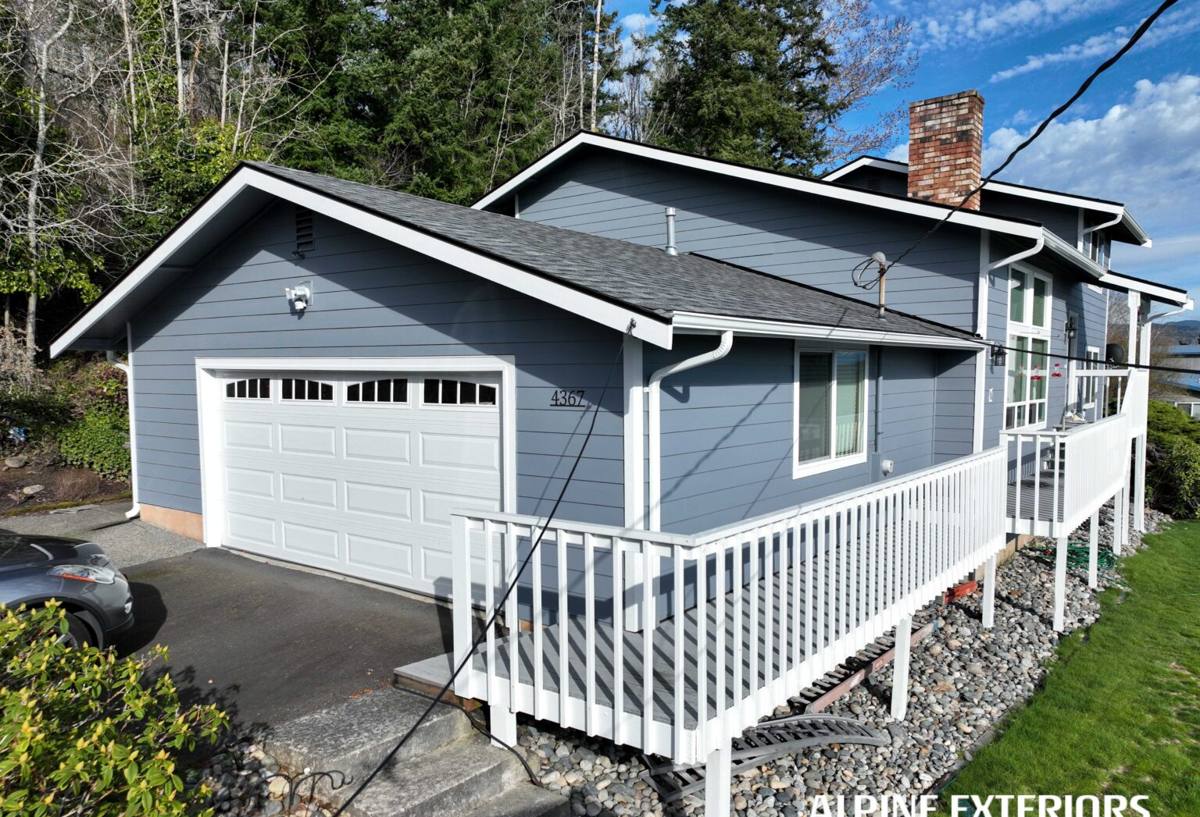
Signs a Gulf Gate Estates Roof Needs Replacement, Not Another Repair
A lot of homes in this part of Sarasota County are older than their roofs — meaning the roof has already been replaced at least once, sometimes with shortcuts that only show up years later. Before recommending a full replacement, we look for patterns, not just a single leak:
- Granule loss heavy enough that you're finding grit in gutters or downspout runoff regularly
- Shingles that are cupping, curling at the edges, or cracking when pressed
- Multiple past repairs in different areas of the same roof, rather than one isolated spot
- Soft or spongy decking felt underfoot in the attic, especially near valleys or penetrations
- Visible daylight through the roof deck from inside the attic
- A roof that's past or approaching the age where insurers require a 4-point inspection to renew coverage
If it's one flashing detail or a handful of storm-lifted shingles, a repair is the honest answer. If the underlayment is failing broadly or the deck itself is compromised, patching just delays a bigger bill and risks interior damage in the meantime.
What Florida Building Code Actually Requires for a New Roof Here
Sarasota County enforces the Florida Building Code's high-wind provisions, and Gulf Gate Estates falls within the county's Wind-Borne Debris Region. In practice, that means a new roof isn't just a covering swap — it comes with real engineering requirements:
- A permit pulled with the county before work starts, with inspections at dry-in and final
- A design wind speed rating appropriate to the property's location and exposure category
- A secondary water barrier (either a sealed deck or a code-compliant self-adhered underlayment) so the home stays dry even if the outer roof covering is damaged in a storm
- Correct fastening patterns — nail type, length, and spacing are specified by code and by the shingle or tile manufacturer, not left to judgment
- Proper flashing at every penetration, wall intersection, and valley, since these are the failure points that cause the majority of roof leaks
These aren't upsells. They're the baseline for a roof that will actually perform in a named storm and pass inspection without a callback. A roofer who treats them as optional is setting the homeowner up for problems at the worst possible time.
Wind Mitigation and Your Insurance Premium
A properly documented new roof — with the right nailing pattern, a secondary water barrier, and matching roof-to-wall connections — can qualify for wind mitigation credits on your homeowner's insurance. We provide the documentation your insurer or inspector needs to apply for those credits after the job is complete; we don't guarantee a specific discount, since that's set by your carrier, but a code-correct installation is what makes the credit possible in the first place.
Choosing the Right Roofing Material for a Gulf Gate Estates Home
There's no single "best" roof material — the right choice depends on your home's structure, your budget, and how long you plan to stay in it. Here's how the common options compare for this climate and area:
| Material | Typical Lifespan Here | Wind/Storm Performance | Maintenance |
|---|---|---|---|
| Architectural asphalt shingle | 18-25 years | Good, with high-wind-rated products and correct nailing | Periodic inspection; moderate |
| Standing seam metal | 30-50 years | Excellent when properly fastened | Low; occasional fastener/sealant checks |
| Concrete or clay tile | 30-50 years | Very good, but individual tiles can crack from debris impact | Moderate; underlayment beneath tile still ages and needs future attention |
Most Gulf Gate Estates homeowners land on a high-wind-rated architectural shingle for the balance of cost and performance, or standing seam metal when they're planning to stay long-term and want to minimize future roofing decisions altogether. We'll walk through the real trade-offs for your specific roof structure and budget rather than steering you toward one product across the board.
What a Correct Installation Actually Involves
A new roof is only as good as what happens before the new material ever goes down. Our process on every tear-off includes:
Full Tear-Off and Deck Inspection
We remove the existing roof covering down to the deck rather than layering over it — layering hides deck problems and voids most manufacturer warranties outright. Any rotted, delaminated, or soft decking gets replaced, not covered over.
Underlayment and Secondary Water Barrier
This is the layer that keeps your home dry if the outer roofing is ever compromised in a storm. We install it to code, not as an afterthought.
Flashing at Every Detail
Chimneys, skylights, sidewalls, valleys, and pipe boots are where roofs actually fail. Each gets new, correctly lapped flashing — reusing old flashing to save time is a shortcut that shows up as a leak within a few seasons.
Fastening to Manufacturer and Code Spec
Nail count, placement, and type are matched to the wind rating your roof needs, not the minimum that happens to pass a quick glance.
Ventilation Check
Proper attic ventilation keeps shingles cooler and extends their life in Florida's heat, and it helps prevent moisture buildup that leads to deck rot from the underside.
Our Process, Start to Finish
- On-site inspection and honest assessment — we look at the whole roof system, not just the visible surface, and tell you plainly whether you need a repair or a replacement.
- Written estimate — material options, scope, and cost laid out clearly, no vague allowances.
- Permitting — we pull the Sarasota County permit and handle the inspection scheduling so you don't have to chase paperwork.
- Tear-off and deck repair — old roofing removed, deck inspected and repaired as needed, debris hauled same-day where possible.
- Dry-in and inspection — underlayment and secondary water barrier installed and inspected before the final covering goes on.
- Final installation — shingles, metal, or tile installed to manufacturer and code fastening specs, with all flashing detail work done properly.
- Final inspection and closeout — county sign-off, cleanup, and documentation you'll want on file for insurance purposes.
The Paperwork You'll Want Later
A new roof isn't just a construction project — it's an insurance and resale asset. We provide a closed-out permit, manufacturer warranty registration, and the documentation needed for a wind mitigation inspection or a future 4-point inspection. Keep these with your home records; buyers, insurers, and future contractors will all ask for roof age and permit history at some point.
Why Local Experience in Gulf Gate Estates Matters
A crew that already works Sarasota County neighborhoods like Gulf Gate Estates knows the county's permitting process, the typical roof structures found in the area's mix of older and newer homes, and how tree canopy and lot layout affect tear-off logistics and dumpster placement. That familiarity translates into fewer surprises mid-project — permit delays, unexpected deck conditions, or access issues are things we've already worked through on similar homes nearby, not problems we're solving for the first time on your roof.
After the Install: A Simple Maintenance Checklist
A correctly installed roof still benefits from basic upkeep in this climate:
- Clear gutters and downspouts at least twice a year so water isn't backing up under the roof edge
- Trim back overhanging branches to reduce debris impact and keep the roof surface drying properly
- Have the roof visually checked after any major wind event, even if nothing looks obviously wrong
- Watch for granule buildup in gutters or any interior ceiling staining and address it early
- Keep your permit and warranty paperwork somewhere you can find it for insurance renewals
If your Gulf Gate Estates roof is past its prime, showing storm damage, or you just want an honest read on whether repair or replacement makes sense, we're glad to take a look. Request a free, no-pressure estimate using the form below.