 Sarasota Window
 Windows Built for the Way Palmer Ranch Actually Weathers
Palmer Ranch sits inland from Siesta Key but still gets the full package of Gulf Coast weather: hurricane-force wind gusts during tropical systems, near-daily UV exposure that doesn't let up for most of the year, wind-driven rain that finds every gap in a window's seal, and a steady dose of salt air carried in off the coast. None of that is unique to one neighborhood, but Palmer Ranch's housing stock — a mix of homes built from the late 1980s through the 2000s, many with lanai enclosures, lakefront lots, and stucco exteriors — has its own set of quirks that matter when it's time to replace windows. Original builder-grade windows in this community are now old enough that seals have dried out, aluminum frames have pitted or corroded, and single-pane glass is doing almost nothing for energy costs or storm protection.
A correct window installation here isn't just about picking a good window. It's about matching the window and the installation method to the specific opening, the wall assembly behind the stucco, and the wind pressures this part of Sarasota County actually sees. Get any of that wrong and you end up with a window that looks fine on day one but leaks, fogs, or fails prematurely once the next big storm season comes through.
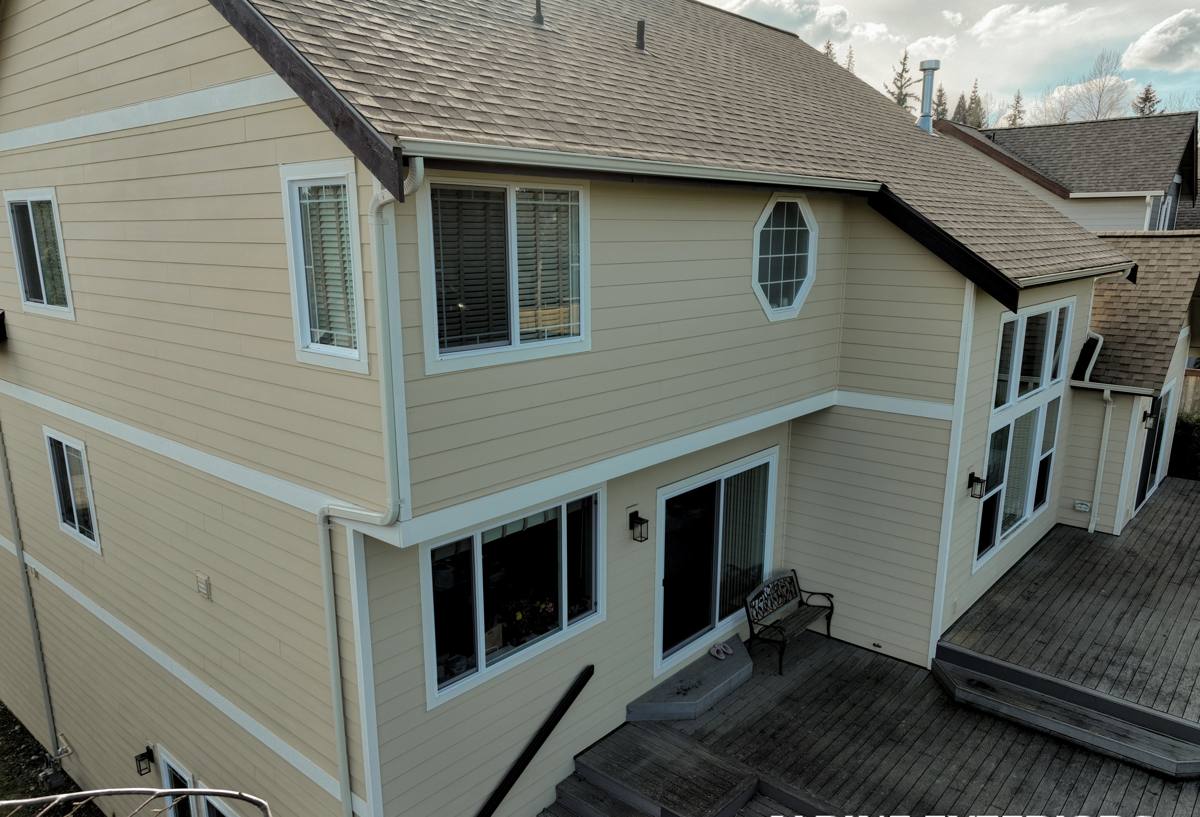
What Palmer Ranch Homes Need From New Windows
Wind and Impact Resistance
Sarasota County isn't in the state's High-Velocity Hurricane Zone (that designation applies to Miami-Dade and Broward), but it still falls under Florida Building Code wind-load requirements that are serious business. Windows here need a documented design pressure rating appropriate to the home's location, height, and exposure category — not just "hurricane glass" as a marketing phrase. For most Palmer Ranch homes, that means impact-rated glass or code-compliant shutters paired to every opening, sized correctly for that specific wall.
Moisture and Seal Integrity
Wind-driven rain during a tropical storm doesn't fall straight down — it drives sideways into the wall, and a poorly flashed window is exactly where it gets in. Around lakefront and preserve-adjacent lots in Palmer Ranch, we also see more standing humidity, which makes proper weep systems and drainage planes even more important than on a typical inland home.
UV and Heat Load
Florida sun is hard on glass, frames, and interior furnishings alike. Low-E coatings and proper glass tinting cut down on UV transmission and help keep cooling costs in check, which matters in a community where most homes run air conditioning nearly year-round.
Salt Air and Corrosion
Palmer Ranch is inland enough that salt exposure is lighter than on the barrier islands, but it's not zero — coastal air still travels, and older aluminum frames and hardware in the neighborhood show it. Frame materials and fasteners need to hold up to that slow, steady corrosion rather than just looking good when they're installed.
Full-Frame Replacement vs. Insert (Pocket) Replacement
One of the first decisions on any Palmer Ranch window project is whether the existing frame stays or goes. Both approaches are legitimate — the right one depends on the condition of what's already in the wall.
| Factor | Insert (Pocket) Replacement | Full-Frame Replacement |
|---|---|---|
| When it's appropriate | Existing frame is square, dry, and structurally sound | Frame shows rot, corrosion, water damage, or is out of square |
| Disruption to stucco/exterior | Minimal — existing frame stays in the wall | Stucco and trim work required around the opening |
| Glass area gained | Slightly less (new frame nests inside old one) | Can maximize glass area for the rough opening |
| Ability to inspect wall condition | Limited — hidden framing isn't exposed | Full inspection of framing, flashing, and sheathing |
| Typical project length | Shorter, less mess | Longer, more exterior finish work involved |
We don't default to one method to keep a job quick. We open up the opening enough to check the condition of the substrate before recommending which way to go, because installing a new window into a compromised frame just relocates the same water problem behind a fresh face.
What a Correct Installation Actually Involves
- Opening assessment — checking the existing frame, sill, and surrounding wall for rot, corrosion, or prior water intrusion before any product is ordered.
- Accurate measurement — field-verified dimensions for each opening, since older Palmer Ranch homes often have openings that have shifted slightly or vary from the original builder plans.
- Product selection matched to design pressure — choosing glass and frame ratings that meet the wind pressure requirements for that specific elevation and exposure, not a one-size-fits-all spec.
- Proper flashing and sealant — integrating the new window with the existing weather-resistive barrier so water is directed out, not trapped behind stucco.
- Shimming and fastening to spec — anchoring per the manufacturer's tested installation instructions, which is what actually keeps the window's wind rating valid.
- Interior and exterior finish work — trim, caulking, and paint-ready surfaces so the finished opening looks intentional, not patched.
- Final inspection and permit close-out — confirming the work passes county inspection where required.
Permits and Local Code
Window replacement in Sarasota County generally requires a building permit, and inspectors are checking that the installed product's design pressure rating matches what's required for that opening and that anchoring follows the manufacturer's approved installation method. Skipping the permit might save a little time up front, but it leaves the homeowner with no documented proof of a code-compliant installation — which can matter later for insurance claims or when selling the home. We pull permits as a standard part of the job, not an add-on.
Our Process for Palmer Ranch Projects
1. On-Site Assessment
We walk the property, look at every opening being considered, and talk through what's actually going wrong with the current windows — condensation, drafts, hard-to-operate hardware, visible frame damage, or just age.
2. Honest Product Recommendation
We recommend window types and glass packages based on that specific home's exposure, orientation, and budget — not a single house brand pushed on every job. If a lower-cost option meets code and fits the home's needs, we'll say so.
3. Measurement and Ordering
Once the scope is set, we take final field measurements and place the order with lead times communicated up front, since manufacturing timelines vary by product and glass package.
4. Installation
Our crews follow manufacturer-specified anchoring and flashing details on every opening — this is the step that most affects whether a window actually performs in a storm, and it's where corner-cutting shows up years later as leaks.
5. Cleanup and Walkthrough
We clean up debris and walk the homeowner through each new window — locking mechanisms, cleaning recommendations, and warranty paperwork — before calling the job done.
Signs Palmer Ranch Homeowners Shouldn't Ignore
- Condensation or fogging between panes (a failed seal on insulated glass)
- Windows that are difficult to open, close, or lock
- Visible corrosion or pitting on aluminum frames
- Soft spots, staining, or bubbling paint on the wall or trim around a window
- Noticeable draft or temperature difference near the window when the AC is running
- Rattling or whistling during windy conditions
- Frames that no longer sit square in the opening
What to Check Before Hiring Any Window Contractor
- Active Florida contractor license and insurance, verifiable through the state license lookup
- A written proposal that specifies exact window brand, series, and glass package — not just "impact windows"
- Documented design pressure ratings for the products being quoted
- Confirmation that the contractor pulls its own permits
- A clear explanation of full-frame vs. insert replacement and why one is being recommended for your home
- References or completed work in your area, and a willingness to answer questions about installation method — not just price
Why Local Experience in Palmer Ranch Matters
A crew that regularly works in Palmer Ranch and the surrounding Sarasota area already knows the common builder details from this era of construction, the typical wall assemblies behind the stucco, and the permitting expectations of Sarasota County. That familiarity shortens the assessment phase and reduces surprises once an opening is exposed. It also means we're not guessing at wind exposure categories or making a first attempt at HOA-adjacent aesthetic considerations that come up in planned communities like this one.
Maintenance After Installation
New windows still need basic upkeep to hold up against Sarasota's climate. Rinse frames periodically to clear salt residue and pollen buildup, check and clear weep holes so water can drain properly, and keep an eye on caulking and sealant lines for cracking after a few years of UV exposure. Operating hardware — locks, cranks, rollers — should move freely; if something starts to stick, it's worth having it looked at before it turns into a bigger issue.
Get a Straight Answer for Your Home
Every Palmer Ranch home is a little different — different age, different exposure, different history with water or storm damage. If you're weighing whether it's time to replace your windows, or just want a clear, no-pressure look at what your home actually needs, we're happy to come take a look. Use the form below to request a free estimate.