 Sarasota Window
 Roof Replacement for Laurel Park Homes
Laurel Park is one of Sarasota's older, established neighborhoods, which means a lot of its homes are carrying roofs that were installed decades ago — some more than once. If you're noticing granule loss in the gutters, curling shingles, water stains on interior ceilings, or you're simply past the point where another repair makes financial sense, it's worth understanding what a proper roof replacement actually involves in this part of Sarasota County before you sign anything.
This page covers what Laurel Park homeowners specifically need to know: how the local climate shapes material and installation choices, what a correct tear-off and install looks like, and how our process runs from first call to final inspection.
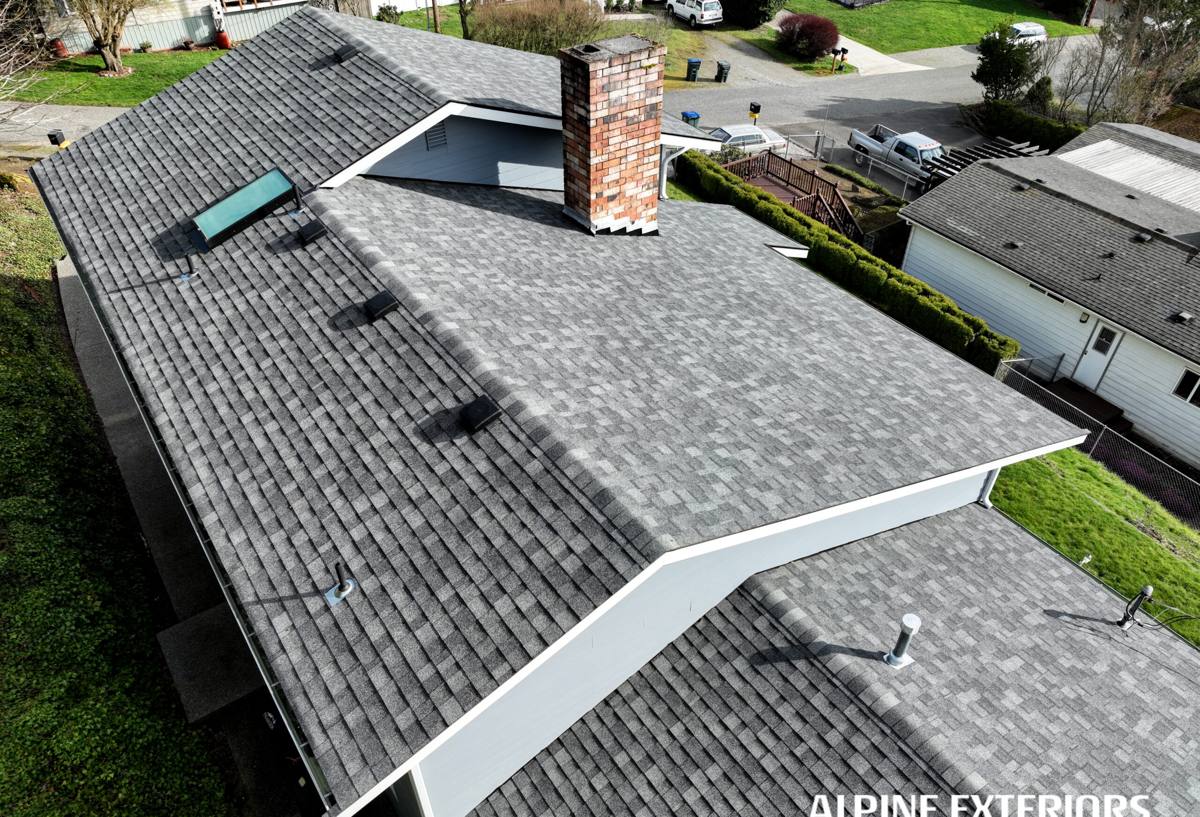
Why Laurel Park's Climate Is Hard on Roofs
Sarasota's coastal location puts every roof in the area under a combination of stresses that inland homes rarely face all at once:
- Hurricane-force winds: Roofs here need to meet Florida Building Code wind-uplift standards, not just national minimums, because sustained storm winds test every fastener and seam.
- Intense, year-round UV: Florida's sun degrades shingle asphalt, roofing cement, and sealants faster than in most of the country, shortening the effective lifespan of lower-grade materials.
- Wind-driven rain: It's not just how much rain falls — it's rain being pushed sideways under ridge caps, flashing, and vents, which is why underlayment and flashing detail work matter more here than in drier climates.
- Salt air: Laurel Park's proximity to the Gulf means metal components — fasteners, flashing, vents, drip edge — are exposed to corrosive salt air even a few miles inland.
None of these stresses act alone. A roof that's baked all summer and then hit by a tropical storm is under more strain than either factor alone would suggest, which is a big part of why roofs in Sarasota County wear out faster than the manufacturer's rated lifespan implies.
Signs a Laurel Park Home Needs Replacement, Not Repair
Repairs make sense for isolated problems. Replacement becomes the right call when the damage is spread across the roof or when the roof's underlying materials have simply reached the end of their useful life. Common indicators include:
- Shingles that are curling, cupping, or losing granules across multiple sections of the roof, not just one spot
- Multiple past repairs that haven't resolved recurring leaks
- Visible sagging in the roof deck, which can indicate underlying wood rot
- Daylight visible through the attic in places it shouldn't be
- A roof that's approaching or has passed the manufacturer's expected service life
- Difficulty getting insurance coverage or a reasonable premium because of roof age or condition
If you're only seeing one or two of these, a targeted repair may still be the more cost-effective option — we'll tell you honestly if that's the case rather than pushing a full replacement you don't need yet.
What a Correct Roof Replacement Involves
Tear-Off and Deck Inspection
A proper replacement starts with removing the old roofing material down to the deck — not layering new shingles over old ones. This lets us inspect the plywood or OSB decking underneath for water damage, soft spots, or rot, which is common on older Laurel Park homes where a leak may have gone unnoticed for years. Any damaged decking gets replaced before anything new goes down; skipping this step is one of the most common shortcuts that leads to problems within a few years.
Underlayment
Given how much wind-driven rain this area sees, the underlayment layer matters as much as the visible roofing material. Self-adhering, high-wind-rated underlayment provides a secondary water barrier if wind ever drives moisture past the primary roofing surface, which is exactly the scenario Sarasota County homes face during tropical weather.
Flashing and Ventilation
Flashing around chimneys, skylights, vent pipes, and roof-to-wall transitions is one of the most common leak sources on any roof, and it's especially important in coastal air where metal flashing corrodes faster. We install new flashing rather than reusing old pieces, and we make sure attic ventilation is adequate — poor ventilation traps heat and moisture, which shortens the life of the new roof from the inside out.
Wind-Rated Installation
Fastener pattern, nail placement, and sealing at the ridge all affect how well a roof holds up in high wind. We install to meet Florida Building Code wind-uplift requirements for this region, using the fastening schedule the manufacturer specifies for high-wind zones rather than a standard-climate pattern.
Choosing Materials for a Laurel Park Home
There's no single "best" roofing material for every home — it depends on your budget, the age and style of the house, and how long you plan to stay in it. Here's an honest comparison of the options most Laurel Park homeowners weigh:
| Material | Typical Lifespan (Sarasota climate) | Wind Performance | Key Trade-Off |
|---|---|---|---|
| Architectural asphalt shingle | 15–25 years | Good, when rated and installed for high wind | Most affordable upfront; UV exposure shortens life vs. cooler climates |
| Metal roofing | 30–50 years | Excellent | Higher upfront cost; needs corrosion-resistant fasteners and coatings near the coast |
| Tile (concrete or clay) | 30–50+ years | Excellent when properly fastened | Heaviest option — requires the structure to support the load; higher cost |
| Flat/low-slope membrane (for additions or porches) | 15–20 years | Good with proper detailing | Needs careful seam and drainage work to avoid ponding |
For most Laurel Park homes we recommend a high-wind-rated architectural shingle as the practical middle ground — it balances upfront cost against real durability in this climate. Metal and tile are worth the higher investment if you're planning to stay in the home long-term and want to minimize future roofing work.
Cost Factors Homeowners Should Understand
We don't publish blanket pricing because roof replacement cost depends on real variables specific to each house. What actually drives the number:
- Roof size and complexity — square footage, plus the number of valleys, hips, and penetrations
- Pitch — steeper roofs take longer and require more safety setup
- Deck condition — how much plywood needs replacing once the old material comes off
- Material choice — shingle, metal, and tile carry different material and labor costs
- Layers to remove — homes with multiple layers of old roofing take longer to tear off
- Access — landscaping, fencing, or tight lot lines that affect equipment staging
We give a firm, itemized quote after an on-site inspection — not a phone estimate — because guessing on any of the above tends to produce change orders later, and that's not how we like to do business.
Insurance and Permitting in Sarasota County
Roof replacements in Sarasota County require a permit, and the work has to meet current Florida Building Code wind provisions for this zone — this isn't optional paperwork, it's what protects you if a claim ever comes up down the road. If your replacement is insurance-related, we can provide documentation insurers typically ask for, including photos of the tear-off and proof the installation meets code. Keep in mind that insurance carriers in this region increasingly factor roof age and material into premiums, so a documented, up-to-code replacement can also help on that front.
Our Process, Start to Finish
- On-site inspection — we walk the roof and attic, not just look from the ground, and check the deck condition where visible
- Written estimate — itemized, with material options explained so you can compare real trade-offs
- Permitting — we pull the required Sarasota County permit before work begins
- Tear-off and deck repair — full removal, deck inspection, and replacement of any damaged sheathing
- Underlayment, flashing, and installation — installed to the wind-rated specification for this region
- Cleanup and magnetic nail sweep — job site cleared of debris and stray fasteners
- Final walkthrough and inspection — we review the finished roof with you and coordinate the county inspection
Before You Hire: A Practical Checklist
Whoever you choose for a roof replacement in Laurel Park, make sure they can answer yes to each of these:
- Licensed and insured to do roofing work in Florida
- Will pull the required Sarasota County permit, not skip it
- Provides a written, itemized estimate — not a verbal number
- Explains their fastening and underlayment approach for wind resistance, unprompted
- Inspects the deck as part of the estimate, not as a surprise change order mid-job
- Offers a manufacturer's material warranty and a written workmanship warranty
- Has current, checkable references from other work in the Sarasota area
Why Local Experience Matters for Laurel Park
A roofing crew that regularly works in Sarasota County already knows the county's permitting process, the current wind code requirements for this zone, and how coastal salt air and UV actually affect materials over time here — not in a lab, in real Florida conditions. That local familiarity shows up in fewer surprises: fewer permit delays, fewer callbacks for details that get missed by crews unfamiliar with wind-driven rain, and a roof that's built for what Laurel Park weather actually does to it, hurricane season after hurricane season.
If your roof is showing its age or you're planning ahead of the next storm season, we're happy to take a look and give you a straight answer about repair versus replacement. Reach out for a free, no-pressure estimate using the form below.