 Sarasota Window
 Roofing for Rosemary District's Coastal Climate
Rosemary District sits close enough to Sarasota Bay and the Gulf that every roof in the neighborhood is doing double duty: shedding heavy seasonal rain and standing up to salt-laden air that never really lets up. Add in the wind loads that come with hurricane season and the relentless Florida sun beating down 300-plus days a year, and you have a set of conditions that will find every weak point in a roofing system faster than almost anywhere else in the country.
Asphalt shingle roofing remains one of the most practical choices for homes in this part of Sarasota County when it's specified and installed correctly for the climate. The mistake we see most often isn't a bad shingle — it's a roof that was installed to a generic standard rather than to what a coastal, wind-exposed neighborhood like Rosemary District actually demands. This page walks through what that distinction looks like in practice.
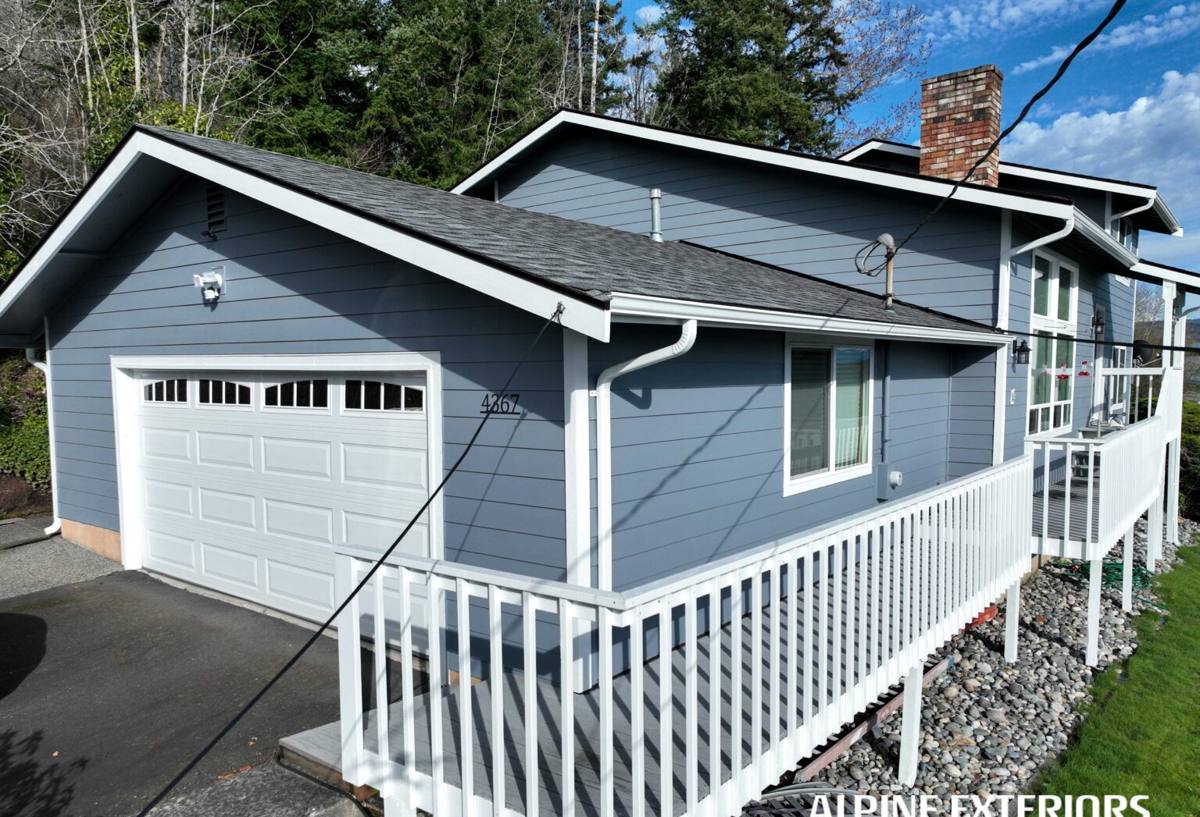
What Rosemary District Homes Need From a Shingle Roof
A roof here has to handle four things at once, and they don't let up in any season:
- Wind uplift. Sustained tropical-storm and hurricane-force gusts try to peel shingles from the edges and ridges first, then work inward.
- Wind-driven rain. Rain doesn't just fall here — it's pushed sideways under shingle tabs and through any gap in flashing or underlayment.
- UV exposure. Year-round sun bakes asphalt granules and accelerates the breakdown of lesser shingles well before their rated lifespan.
- Salt air. Airborne salt corrodes exposed metal — nail heads, flashing, vent stacks — long before most homeowners think to check it.
None of these factors are unique to Rosemary District, but the combination and intensity here, close to open water in central Sarasota County, is why a roofing job that would hold up fine inland can underperform within a few years near the bay.
Wind Rating and Shingle Class
Not all asphalt shingles are rated the same way, and the difference matters more here than in most parts of the state. The table below is a general comparison to help frame the conversation — your actual product selection should be based on your roof's specific exposure, slope, and the current Florida Building Code requirements for Sarasota County.
| Shingle Class | Typical Wind Rating | Fit for Rosemary District |
|---|---|---|
| Standard 3-tab | Lower wind resistance | Generally not recommended for this exposure |
| Architectural / laminate | Higher wind resistance with proper nailing | Common, solid choice when installed to spec |
| High-wind rated architectural | Highest asphalt-shingle wind resistance | Best fit for open, wind-exposed lots |
The shingle itself is only part of the equation. A high-wind-rated shingle installed with the wrong nailing pattern will underperform a standard shingle installed correctly. Installation quality is where most roofing failures actually start.
What a Correct Installation Actually Involves
A shingle roof that's built to last in this environment isn't a single product decision — it's a system, and every layer has to be right for the layers around it to work.
Underlayment
In a wind-driven-rain climate, underlayment is the backup plan for when water gets past the shingles — which it will, eventually, in a storm. A synthetic or self-adhering underlayment, installed with proper overlaps and sealed at penetrations, is what keeps a hard rain from becoming an interior leak.
Nailing Pattern and Fastener Count
This is the single most common shortcut we find on older or poorly installed roofs. Wind-rated performance depends on the correct number of nails, placed in the correct zone of each shingle, driven flush (not overdriven or underdriven). Skipping this is invisible from the ground and shows up the first time real wind hits the roof.
Flashing
Valleys, walls, chimneys, and any roof-to-wall transition need flashing that's sized, lapped, and sealed correctly. Salt air accelerates corrosion on cheap or thin flashing, so material choice matters as much as the installation detail.
Ventilation
A hot, poorly ventilated attic shortens shingle life from underneath, regardless of how good the shingle is. Balanced intake and exhaust ventilation keeps attic temperatures and moisture in check, which protects both the roof deck and the shingles above it.
Edge and Ridge Detail
Wind uplift starts at edges, ridges, and hips. Starter strips, ridge cap fastening, and drip edge installation all need to be done to spec — these are the areas that fail first when they're not.
Our Process
Every roof we work on in Rosemary District goes through the same basic sequence, adjusted for the specific house:
- Inspection. We assess the existing roof deck, flashing, ventilation, and any signs of past leaks before quoting anything.
- Tear-off (for replacements). Old material comes off down to the deck so we can check for rot, soft spots, or damage that needs to be addressed before new roofing goes on.
- Deck repair. Any compromised decking is replaced — new shingles over a bad deck is a shortcut we don't take.
- Underlayment and flashing installation. Sized and installed for this climate's wind and rain exposure, not a generic minimum.
- Shingle installation. Correct nailing pattern and fastener count, verified as we go.
- Final inspection and cleanup. We walk the finished roof, check details at every penetration and edge, and clear the site of debris and stray fasteners.
Signs a Rosemary District Roof Needs Attention
Because of the sun and salt exposure here, shingle roofs in this neighborhood often show wear a bit earlier than the same product would inland. Worth checking for:
- Granules collecting in gutters or at downspout outlets
- Curling, cupping, or cracked shingles, especially on south- and west-facing slopes
- Dark streaking or algae growth across shingle courses
- Rust staining around vent stacks, flashing, or exposed fasteners
- Soft spots, sagging, or visible daylight in the attic at deck seams
- Missing or lifted shingles after any significant wind event
- Water stains on interior ceilings or upper walls
Any one of these on its own may not mean an emergency, but they're worth a professional look before the next storm season rather than after.
Maintenance That Actually Extends Roof Life Here
Salt air and UV exposure mean Rosemary District roofs benefit from more frequent attention than a shingle roof might need in a drier, inland climate. A simple annual routine goes a long way: clear debris from valleys and gutters, check flashing and vent boots for corrosion or gaps, and have the roof looked at after any major storm rather than waiting for a visible leak. Catching a lifted shingle or a failing seal early is a small fix; catching it after months of wind-driven rain finding its way underneath is not.
Cost Factors to Understand
Every roof is different, but the main variables that move the price on a Rosemary District shingle roof are consistent. This is a general guide to what drives cost, not a quote.
| Factor | Why It Matters |
|---|---|
| Roof size and complexity | More valleys, hips, and penetrations mean more labor and material detail |
| Shingle class selected | Higher wind-rated architectural shingles cost more than standard options |
| Deck condition | Rot or soft decking discovered during tear-off adds repair cost |
| Underlayment type | Self-adhering and premium synthetic underlayments cost more than basic felt but perform better in wind-driven rain |
| Ventilation upgrades | Adding or correcting attic ventilation during a reroof is more efficient than doing it separately |
Why a Crew That Already Works Rosemary District Matters
A roofing job done by a crew unfamiliar with this specific stretch of coastal Sarasota County is more likely to default to generic specs — the kind that satisfy code minimums but don't account for what this neighborhood's wind and salt exposure actually demand over time. A crew that regularly works in and around Rosemary District has already seen how roofs in this area age, which details fail first, and which shortcuts show up as callbacks two or three years down the line.
That familiarity shows up in small decisions throughout a job — how flashing is detailed at a tricky roof-to-wall transition, which fastener finish holds up against salt air, how ventilation is balanced for a smaller coastal lot. None of it is complicated, but all of it depends on a crew that treats this climate as the standard rather than the exception.
Get a Straightforward Estimate
Whether you're dealing with an aging roof, storm damage, or planning ahead for a full replacement, we're happy to take a look and give you a clear, no-pressure estimate for your Rosemary District home. Use the form below to get started.