 Sarasota Window
 Board & Batten Siding in a Changing Neighborhood
Rosemary District sits just north of downtown Sarasota, and it's a neighborhood in transition — older cottages and bungalows sharing blocks with newer infill construction and mixed-use development. Board and batten siding works well across that mix. Its vertical lines suit the narrow lots and compact footprints common in this part of the city, and it reads as both classically coastal and clean-lined modern, which is why we see it specified almost as often on new builds here as on renovations of older homes.
But board and batten is also one of the siding profiles most sensitive to installation quality. The wide flat panels and narrow battens create more seams, more fastening points, and more opportunities for water to find a way behind the cladding if it's not detailed correctly. On a home a few miles from Sarasota Bay, that margin for error is smaller than it would be inland.
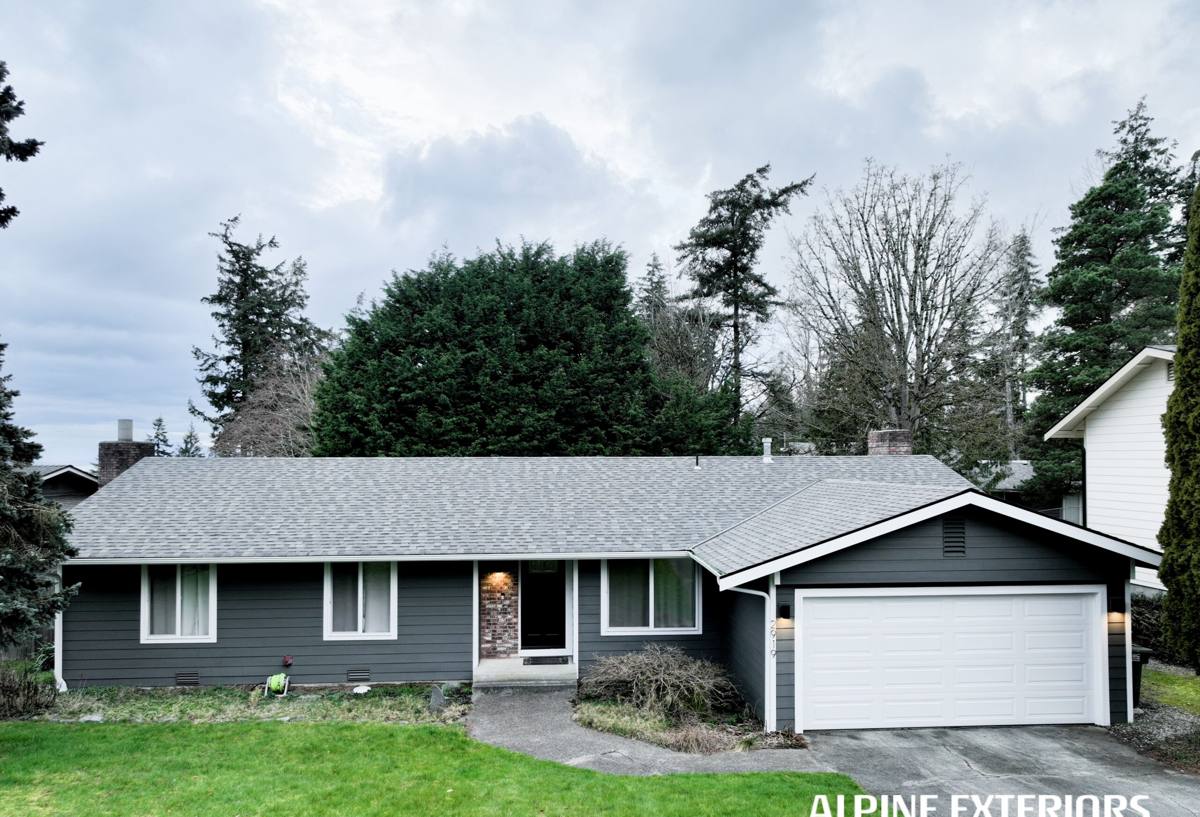
What Sarasota's Climate Actually Does to This Siding
Every coastal Sarasota County home deals with the same four stresses, and board and batten siding is exposed to all of them along its full vertical run:
- Hurricane-force wind: Wide panels catch more wind load than narrow lap boards, so fastening pattern and panel attachment matter more here than on most other siding styles.
- Intense, year-round UV: Sarasota's sun cycle doesn't let up in winter the way it does farther north. Paint film on siding degrades faster under that kind of exposure, especially on batten edges that face the sun directly.
- Wind-driven rain: Storms here don't just fall straight down — rain gets pushed sideways into vertical seams and batten joints, which is exactly where a board and batten system either sheds water or lets it in.
- Salt air: Even a few miles inland from the Gulf, airborne salt accelerates corrosion on fasteners and metal flashing, and it degrades some paint and coating systems faster than a standard weathering forecast would predict.
None of this makes board and batten a bad choice for Rosemary District. It makes the material and the installation method the whole ballgame.
Why We Only Install James Hardie — Not Vinyl, Not Wood
Board and batten is sold in several materials, and we get asked regularly why we don't offer vinyl board and batten or traditional wood battens over plywood or spruce. Here's our honest position, not a sales pitch:
Vinyl board and batten is inexpensive and low-maintenance in the sense that it doesn't need painting, but it's a thin, flexible material that expands and contracts significantly with Florida's heat swings. On a wide-panel profile like board and batten, that movement shows up as waviness and panel distortion over time, and vinyl's impact resistance in wind-driven debris events is limited compared to fiber cement. It's also not a material we can warranty to the standard we want to stand behind.
Traditional wood board and batten (cedar, primed spruce, or similar) has real appeal — it's the original look this style is based on. But solid wood siding in a Gulf Coast climate needs a disciplined repaint cycle, is vulnerable to moisture intrusion at end grain and joints, and can attract wood-destroying insects if maintenance slips even for a season or two. We're not willing to install a product where a homeowner's siding integrity depends on staying ahead of a maintenance schedule that's easy to fall behind on.
James Hardie fiber cement is what we install instead, on every job, in every neighborhood we work. It's non-combustible, dimensionally stable in heat and humidity, engineered in HZ5 formulations specifically for high-wind and high-moisture climates like ours, and finished at the factory with ColorPlus technology — a baked-on finish that resists the fading and chipping that field-applied paint struggles with under Sarasota's UV load. It's also backed by a strong, transferable manufacturer warranty, which matters if a Rosemary District home changes hands, as many in this neighborhood currently are.
Board & Batten Material Comparison
| Factor | Vinyl Board & Batten | Traditional Wood | James Hardie Fiber Cement |
|---|---|---|---|
| Wind performance | Moderate; can distort/detach under sustained gusts | Good if fastened correctly, but panels can warp | Engineered and rated for high-wind coastal use |
| UV / fade resistance | Fades and chalks over time | Requires repainting on a fixed cycle | Factory ColorPlus finish resists fading |
| Moisture / salt air resistance | Doesn't rot, but seams can trap water | Vulnerable without diligent upkeep | Stable; resists moisture-driven damage when installed to spec |
| Maintenance burden | Low, but limited repair options | High — regular repainting/sealing | Low; occasional caulk and finish checks |
| Warranty | Varies by manufacturer, often prorated | Typically none beyond installer | Strong, transferable manufacturer warranty |
What a Correct Board & Batten Installation Involves
Board and batten failures we're called to inspect almost always trace back to the same handful of shortcuts, not the material itself. A correct install includes:
Drainage Behind the Panel
Flat panel siding needs a way for incidental moisture to escape rather than sit against the wall assembly. That means a proper water-resistive barrier, correctly lapped and taped, and in many cases furring or a rain-screen gap behind the panel — not panels fastened directly and tightly to sheathing with nowhere for moisture to go.
Fastening Pattern and Wind Load
James Hardie publishes specific fastener spacing and embedment requirements for coastal wind zones, and those specs change based on the home's exposure and height. Skipping a stud or under-fastening a panel to save time is the single most common cause of board and batten failing in a wind event.
Batten and Joint Detailing
Every vertical batten joint is a potential water entry point. Correct installation uses proper joint flashing, appropriate gapping for expansion, and factory-caulked or engineered joints rather than field caulk alone carrying the load.
Trim, Corners, and Penetrations
Windows, corners, and any wall penetration need integrated flashing and trim details that shed water outward, not just caulk applied around the edge. This is where a lot of otherwise decent siding jobs start leaking within a few years.
Our Process for Rosemary District Homes
- On-site inspection — we look at your current siding or sheathing condition, wall assembly, sun exposure, and any moisture history before recommending anything.
- Written scope and product spec — you get a clear plan naming the specific Hardie board and batten configuration, trim, and finish, with no vague allowances.
- Prep and moisture barrier — old siding removal (if applicable), sheathing repair, and a correctly lapped weather barrier before a single panel goes up.
- Installation to manufacturer wind-zone spec — fastener pattern, joint treatment, and flashing done to the coastal requirements this climate demands, not a generic inland spec.
- Final inspection and cleanup — a walk-through with you before we consider the job finished.
Why Local Experience in This Neighborhood Matters
Rosemary District's mix of older housing stock and active new construction means every job here comes with its own wrinkle — an older home with sheathing that needs a closer look, a newer build with tighter lot-line clearances, or a permitting process through the City of Sarasota that a crew unfamiliar with the area has to learn on your dime. A contractor who already works this neighborhood knows what inspectors here expect, knows how to sequence work around the tight lots typical of this part of the city, and isn't guessing at wind and moisture requirements that apply to Sarasota County specifically.
That local familiarity also shows up in smaller ways — knowing which older Rosemary District homes are likely to have moisture issues behind the original siding, or how afternoon sun exposure differs block to block depending on tree cover and building orientation. None of that replaces a proper inspection, but it means less time spent discovering problems that a locally experienced crew would have anticipated.
Maintaining Board & Batten Siding After Installation
James Hardie siding is low-maintenance, not no-maintenance. A simple annual routine keeps it performing the way it's designed to in this climate:
- Rinse siding once or twice a year to remove salt residue and airborne grime, especially on sides of the home facing prevailing wind.
- Inspect caulking at trim, corners, and joints annually — reseal any cracked or separated caulk before the next storm season.
- Check for any panel edges lifting or fasteners backing out after major wind events.
- Keep irrigation and sprinklers from spraying directly on siding, which accelerates staining and wear at the base of panels.
- Trim back landscaping that holds moisture against the wall or shades panels enough to encourage mildew growth.
Ready for a Straight Answer on Your Home
If you're weighing board and batten siding for a Rosemary District home — whether it's a renovation of an older cottage or finishing out new construction — we're glad to take a look and give you a straightforward assessment of what your home actually needs. There's no pressure and no cost to have us come out, walk the exterior with you, and put together a clear, honest estimate using the form below.