 Sarasota Window
 Deck Repair Built for Rosemary District's Mix of Older and Newer Homes
Rosemary District sits close to downtown Sarasota, and like a lot of near-downtown neighborhoods in the area, it's a mix of older bungalow-style homes and newer construction, including townhomes and infill builds. That mix matters for deck repair. An older home may have a deck that was added or rebuilt at some point with whatever lumber and hardware were on hand at the time. A newer build may have a deck that looks fine but was framed to a minimum spec that doesn't hold up well once Sarasota's climate gets a few years into it. Either way, the fixes need to match the house, not a generic template.
We work on decks throughout Sarasota County, and Rosemary District jobs come with their own patterns: smaller lots, closer setbacks, and decks that tie into additions or renovated sections of a home rather than a single original structure. Repairing one section without understanding how it connects to the rest of the deck is how you end up doing the same repair twice.
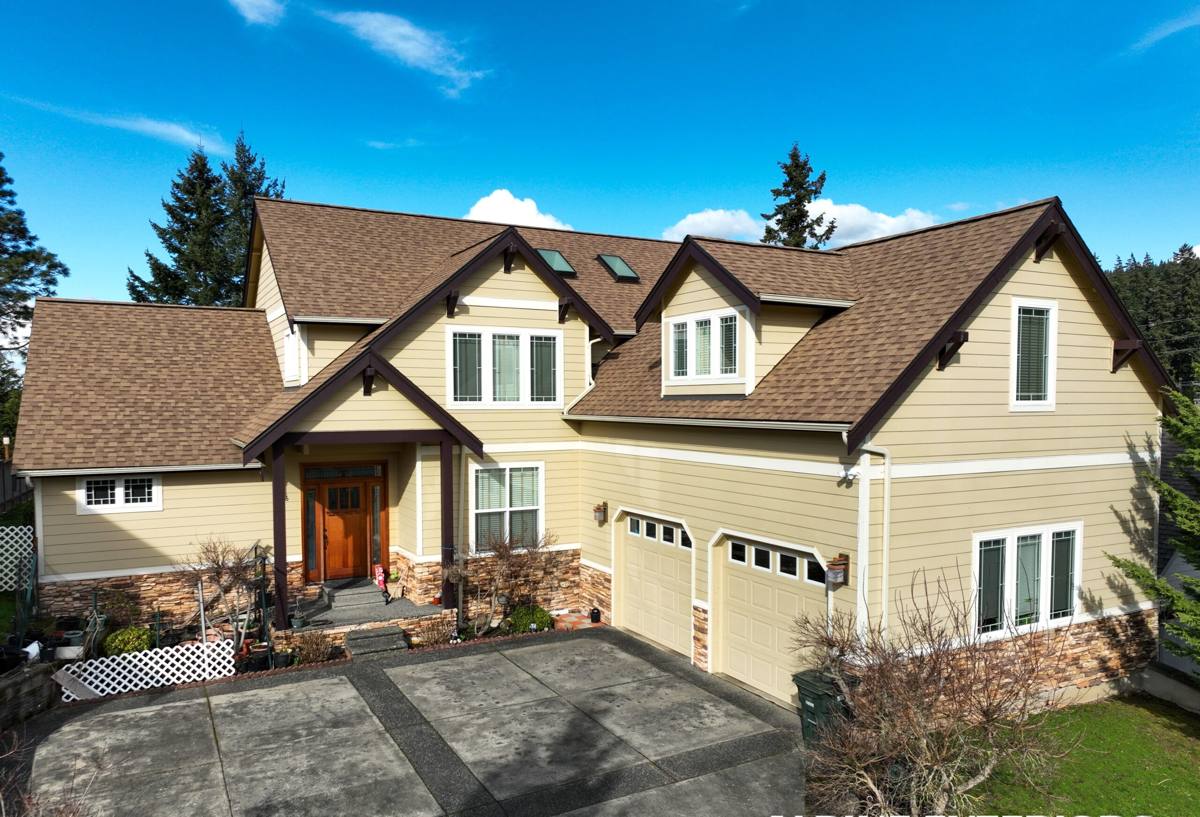
What Sarasota's Climate Does to a Deck
Every deck repair we do in this area gets sized up against the same set of stresses, because they're the reason decks here fail faster than the same structure would somewhere with a milder climate.
Hurricane-Force Wind
Wind doesn't just push on a deck from the side — it can get underneath railings and stair systems and pull up on ledger connections and post bases. Loose railings, undersized fasteners, and ledger boards that were never properly bolted to the house are the failures we see most after a bad storm season.
Year-Round UV
Sarasota gets strong sun for most of the year, not just in summer. Wood decking dries out, checks, and splinters faster here than in northern climates. Composite decking can fade or chalk if it's a lower-grade product without real UV stabilizers built in.
Wind-Driven Rain
Rain that comes in sideways during a storm finds every gap in flashing, every unsealed fastener hole, and every spot where a ledger board meets the house without a proper water break. That's usually where hidden rot starts — not on the visible deck boards, but underneath them.
Salt Air
Even away from the immediate waterfront, salt in the air accelerates corrosion on fasteners, brackets, and joist hangers. Hardware that isn't rated for coastal exposure can rust and weaken years before the wood around it shows any obvious problem.
Signs Your Deck Needs Repair, Not Just a Pressure Wash
A lot of deck problems get masked for a while because the deck still looks usable. These are the signs worth taking seriously:
- Boards that feel spongy, bounce, or flex more than they used to
- Railings or posts that wiggle when you push on them
- Rust streaks running down from fasteners or hardware
- Gaps opening up where the deck meets the house (the ledger board)
- Wood that's gray, splintering, or soft to a screwdriver test
- Stairs that feel uneven or have visibly sagging stringers
- Fastener heads popping up above the decking surface
- Visible daylight or water staining under the deck where it attaches to the house
Any one of these can be a minor fix. Several at once usually means the deck's structure has been absorbing moisture or wind stress for a while, and it's worth a full inspection before you spend money on cosmetic repairs alone.
What a Correct Deck Repair Actually Involves
Deck repair gets treated as a cosmetic job more often than it should be. Replacing a few boards and calling it done can leave the underlying problem — usually a structural or moisture issue — untouched. A repair that's actually going to hold up in this climate covers a few things every time:
- Structural inspection first. Joists, beams, posts, footings, and the ledger connection get checked before any decking comes off, because that's where the failures that matter actually happen.
- Ledger board and flashing. If the ledger isn't properly through-bolted and flashed to shed water away from the house, no amount of new decking on top fixes the real problem.
- Fasteners and hardware rated for coastal exposure. Standard galvanized hardware corrodes faster here than it should. Stainless steel or coated fasteners rated for coastal use cost more up front and last longer.
- Matching or compatible materials. New boards need to handle the same movement and moisture as the rest of the structure, or you get uneven wear and future repairs sooner than expected.
- Proper drainage and ventilation underneath. Decks that trap moisture against the framing rot from the inside out, even when the surface looks fine.
Repair vs. Rebuild: Making the Right Call
Not every deck problem needs a full rebuild, and not every deck can be saved with a repair. The honest answer depends on how much of the structure — not just the surface boards — is still sound.
| Situation | Repair Usually Makes Sense | Rebuild Usually Makes Sense |
|---|---|---|
| Framing (joists, beams, posts) | Solid, no rot or corrosion found | Soft, cracked, or corroded in multiple areas |
| Ledger connection | Properly bolted, minor flashing repair needed | Nailed instead of bolted, or water damage behind it |
| Decking surface | Isolated boards worn or damaged | Widespread checking, splintering, or fading across the deck |
| Railings | Loose posts, can be resecured to sound framing | Posts anchored into rotted or undersized framing |
| Age and code | Deck meets current wind and connection standards | Deck predates current code requirements for this area |
If you're not sure which column your deck falls into, that's exactly what an inspection is for — we'd rather tell you a repair will hold up than sell you a rebuild you don't need, or the reverse.
Choosing Materials for a Repair in This Climate
When we're replacing decking or framing as part of a repair, the material choice affects how long the fix lasts and what it costs to maintain going forward.
| Material | How It Handles Sarasota's Climate | Maintenance |
|---|---|---|
| Pressure-treated wood | Handles structural loads well; needs sealing to resist UV and moisture | Periodic sealing or staining, more frequent inspection |
| Composite decking | Resists rot and UV fading better than untreated wood; quality varies by product | Occasional cleaning, no sealing required |
| Hardwood (ipe, similar species) | Very durable and naturally rot-resistant; higher material and install cost | Oiling to maintain color, otherwise low |
| Standard fasteners/hardware | Prone to corrosion from salt air over a few seasons | Should be replaced with coastal-rated hardware during repair |
We frame material recommendations as trade-offs, not upsells. A pressure-treated repair that's properly sealed and maintained can be the right call on a budget. Composite makes sense where lower long-term maintenance matters more than upfront cost. What we won't do is put new decking on top of framing or fasteners that haven't been checked, because that just hides the next problem under a fresh surface.
Permitting and Code in Sarasota County
Deck work in Sarasota County is subject to permitting requirements, and the threshold for what needs a permit depends on the scope of work — structural repairs and rebuilds typically require one, while minor cosmetic fixes may not. Because Rosemary District includes older homes, some decks were built or modified before current wind-load and connection standards were in place. Bringing a repair up to current code isn't about being difficult with paperwork; it's about making sure the deck will actually perform in the next storm, not just the next inspection.
We handle the permitting side of structural repairs as part of the job rather than leaving it for the homeowner to sort out, and we'll tell you upfront if a project needs one before work starts.
Our Deck Repair Process
- Inspection. We check framing, the ledger connection, fasteners, and decking surface, and we'll tell you honestly what's structural versus cosmetic.
- Written scope and options. You get a clear plan — what's being repaired, what materials are involved, and why — before any work starts.
- Permitting, if the scope requires it. Structural repairs get filed and inspected properly, not skipped.
- Repair work. Framing and ledger issues get addressed first, then decking, railings, and stairs.
- Final check. We walk the deck with you before calling the job done, not just hand you an invoice.
Maintaining a Deck After Repair
A good repair buys you years, not decades, if it's ignored afterward. A few habits go a long way in this climate:
- Check railings and stair posts for looseness at the start of hurricane season each year
- Look underneath the deck periodically for water staining near the ledger board
- Reseal or restain wood decking on the schedule the product calls for — sun exposure here shortens that interval
- Keep gutters and downspouts directing water away from the deck structure, not onto it
- Clear debris from between boards so moisture doesn't sit trapped against the frame
Why Hiring a Crew That Already Works Rosemary District Matters
Deck repair in a close-in neighborhood like Rosemary District comes with practical realities a crew that's never worked here won't anticipate: tighter lots, limited staging space, closer proximity to neighboring homes, and in some cases, older construction that needs to be assessed before assuming it matches current framing standards. A crew that's already done deck work in this part of Sarasota knows to check for those things upfront instead of discovering them mid-job.
Familiarity with Sarasota County's permitting process also matters here — knowing what triggers a permit and getting the paperwork moving early keeps a repair on schedule instead of stalling it. And because we're used to working around the storm season this region deals with every year, we build repairs to hold up to the next one, not just look good until then.
If you've got a deck in Rosemary District that's showing any of the signs above, or you just want an honest read on its condition, we're happy to take a look. Reach out for a free, no-pressure estimate using the form below.