 Sarasota Window
 Rosemary District Roofs Face a Specific Set of Challenges
Rosemary District sits close enough to downtown Sarasota and the bay that its roofs deal with a rougher mix of conditions than homes further inland. You've got salt-laden air moving in off the water, long stretches of intense UV exposure nearly year-round, sudden wind-driven rain squalls, and the real possibility of hurricane-force gusts during storm season. None of these is unique to this one neighborhood, but together they add up to a faster aging process for roofing materials than you'd see in a lot of other parts of the country.
What that means in practice: a roof that might get 25 years of service life in a drier, cooler climate often needs replacement well before that mark here in Sarasota County. Waiting too long doesn't just risk a leak — it risks decking damage, insulation problems, and in a bad storm, a full or partial roof failure. A roof replacement done right, with the right materials and correct installation technique, is one of the best investments a homeowner in this area can make.
What Makes Rosemary District Homes Different
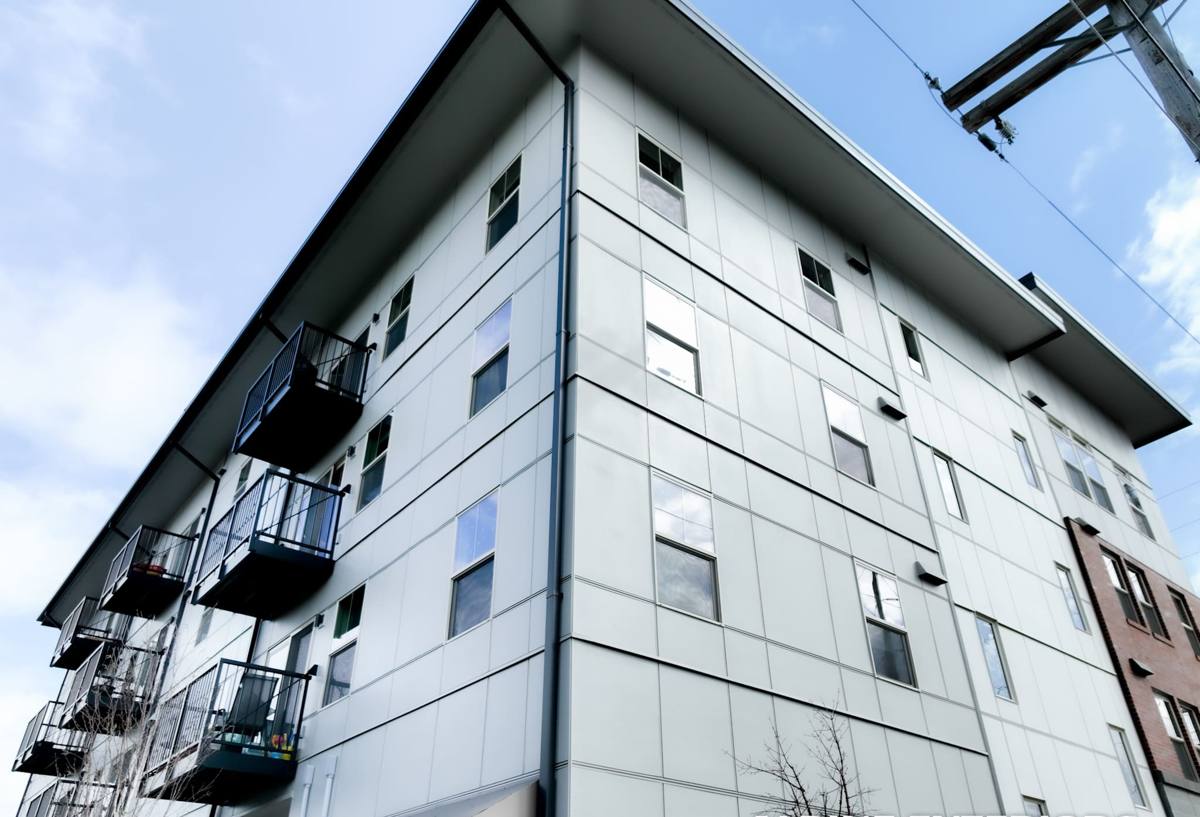
Rosemary District has a mix of older, established homes alongside newer construction and renovated properties, reflecting the neighborhood's ongoing revitalization near downtown Sarasota. That mix matters for roofing work. Older homes may have roof decking, framing, or ventilation that was never built to current Florida Building Code wind standards, and previous roofing layers may be hiding problems that only show up once the old material comes off. Newer builds are generally in better shape structurally but still need materials and installation matched to this specific coastal climate — not a generic specification pulled from a roof up north.
Either way, a roof replacement here isn't a one-size-fits-all job. It starts with an honest look at what's actually on the house and underneath it, not just a quote based on square footage.
Common Issues We See on Older Roofs in This Area
- Cracked, curling, or granule-loss shingles from prolonged UV exposure
- Rusted or improperly sealed flashing around chimneys, vents, and roof-wall intersections
- Soft or delaminated decking from long-term moisture intrusion, often invisible from the attic until the old roof comes off
- Undersized or blocked ventilation causing heat buildup and premature material breakdown
- Fastening patterns that don't meet current high-velocity hurricane zone wind requirements
Signs Your Roof Is Telling You It's Time
Some roofs fail gradually and give you warning signs for months or years before a real problem shows up. Others look fine from the ground until a storm finds the weak point. Here's what we tell homeowners to watch for:
- Shingles that are cracked, curling at the edges, or missing granules (you may notice granules collecting in gutters)
- Visible daylight through the roof deck when viewed from the attic
- Water stains on ceilings or in the attic, even small or old-looking ones
- A roof that's approaching or past 15-20 years old with asphalt shingles, or showing wear consistent with its material's typical lifespan
- Missing, lifted, or damaged shingles after a storm, even if there's no visible leak yet
- Soft spots when walking the roof, or sagging visible from the street
- Rising energy bills that could point to failing insulation or attic ventilation tied to roof condition
Any one of these on its own might just mean a repair. Several at once, or a roof that's simply reached the end of its expected service life, usually means replacement is the more honest recommendation — and the more cost-effective one over the next storm season.
What a Correct Roof Replacement Actually Involves
Full Tear-Off, Not a Layover
We remove the existing roofing material down to the deck rather than installing new shingles over old ones. A layover hides existing damage, adds weight the structure wasn't necessarily designed for, and voids most manufacturer warranties. It's a shortcut that costs more in the long run.
Deck Inspection and Repair
Once the old material is off, we can actually see the plywood or board decking underneath. Any soft, delaminated, or water-damaged sections get replaced before anything new goes down. Skipping this step is one of the most common ways a "new roof" fails early — you can't build a good roof on a compromised base.
Underlayment Matched to the Climate
Given the wind-driven rain this area sees, we use underlayment systems designed to handle water intrusion at seams, nail penetrations, and edges — not the bare minimum a code inspector will pass. This is the layer that protects your home if wind ever lifts or damages the top layer of roofing.
Flashing Done Right
Flashing around chimneys, skylights, vents, and roof-to-wall transitions is where most roof leaks actually originate — not the open field of the roof itself. Correct flashing work takes more time and attention to detail than most homeowners realize, and it's frequently rushed or done poorly on lower-quality jobs.
Wind-Rated Fastening and Attachment
Sarasota County falls within Florida's high-velocity hurricane zone building requirements. That means fastening schedules, nail patterns, and attachment methods aren't optional details — they're code-mandated and directly tied to how well your roof performs in a major wind event.
Choosing the Right Roofing Material for a Coastal Sarasota Climate
There's no single "best" roofing material for every home — it depends on your budget, your home's structure, its architectural style, and how long you plan to stay in the house. Here's an honest comparison of the main options we install and repair in this area:
| Material | Typical Lifespan Here | Wind Performance | Maintenance |
|---|---|---|---|
| Architectural Asphalt Shingle | 15-20 years | Good, when rated and installed correctly | Low to moderate |
| Metal Roofing (standing seam) | 30-50 years | Excellent | Low |
| Concrete or Clay Tile | 30-50 years | Very good when properly fastened; individual tiles can crack from impact | Moderate (periodic tile checks) |
| Flat/Low-Slope Membrane (TPO, modified bitumen) | 15-25 years | Good with correct attachment and edge detailing | Moderate |
We'll walk you through the real trade-offs for your specific home — upfront cost, how the material handles our salt air and UV exposure over time, insurance implications, and how it fits the look of your house — rather than steering you toward whatever is easiest for us to install.
How Our Roof Replacement Process Works
1. On-Site Inspection and Written Estimate
We come look at the actual roof — not just measure it from a satellite photo — and give you a written estimate that spells out materials, scope, and price. No pressure, no gimmicks.
2. Permitting and Code Compliance
Roof replacements in Sarasota County require a permit, and the work has to meet current Florida Building Code wind-load requirements. We handle the permitting process and build the job to pass inspection, not just to look finished.
3. Material Delivery and Site Protection
We protect landscaping, driveways, and the area around the house before work starts, and stage materials to keep the job site as organized as possible during install.
4. Tear-Off, Deck Repair, and Installation
Full removal, deck inspection and repair as needed, correct underlayment and flashing, then installation of the new roofing material to manufacturer and code specifications.
5. Final Inspection and Cleanup
We do a final walkthrough with you, make sure the site is cleaned up — including a magnetic sweep for stray nails — and coordinate any required county inspection sign-off.
Permitting, Wind Mitigation, and Insurance
A properly permitted, code-compliant roof replacement in Sarasota County isn't just a legal formality — it directly affects your homeowners insurance. Many carriers require a current wind mitigation inspection to apply hurricane-related discounts, and the roof's age, material, and attachment method all factor into that inspection. A new roof installed to current code, with documentation, can meaningfully improve your insurance standing. We can provide the paperwork and documentation you'll need for that process.
Why It Matters to Hire a Crew That Already Works in Rosemary District
Roofing work in an established, revitalizing neighborhood close to downtown Sarasota comes with practical realities that a crew unfamiliar with the area can miss: navigating tighter lots and street parking, working respectfully around neighboring properties during a project, and understanding the mix of older and newer construction common to the neighborhood. A crew that's worked roofs in this part of Sarasota knows what to expect before the tear-off even starts, which means fewer surprises and a smoother project for you.
We also understand that a roof replacement is disruptive — it's your home, and you're going to be living around the work. Clear communication about timeline, daily progress, and any issues we find along the way is part of doing the job right, not an afterthought.
Get a Straight Answer About Your Roof
If your roof is showing its age, took a hit in the last storm, or you just want an honest opinion on where it stands, we're happy to take a look. We'll give you a clear, no-pressure estimate and tell you plainly whether you need a full replacement or something less. Fill out the form below to schedule a free estimate for your Rosemary District home.