 Sarasota Window
 Siding Repair in Fruitville: Getting It Right the First Time
Fruitville homes sit in one of the more established, tree-canopied pockets of inland Sarasota County, but "inland" doesn't mean sheltered. The same subtropical climate that batters the coastline — hurricane-force wind gusts, wind-driven rain that finds every gap, months of intense UV exposure, and salt-laden air that travels farther than most homeowners expect — reaches Fruitville too. Add in Sarasota's daily humidity swings and afternoon thunderstorm pattern, and siding here takes a steady beating year-round, not just during named storms.
When siding damage shows up, the instinct is often to patch the visible spot and move on. That approach usually costs more in the long run. A proper repair means understanding why the damage happened, what's happening behind the surface, and whether the material itself is even worth repairing. This page walks through what that looks like specifically for Fruitville homes.
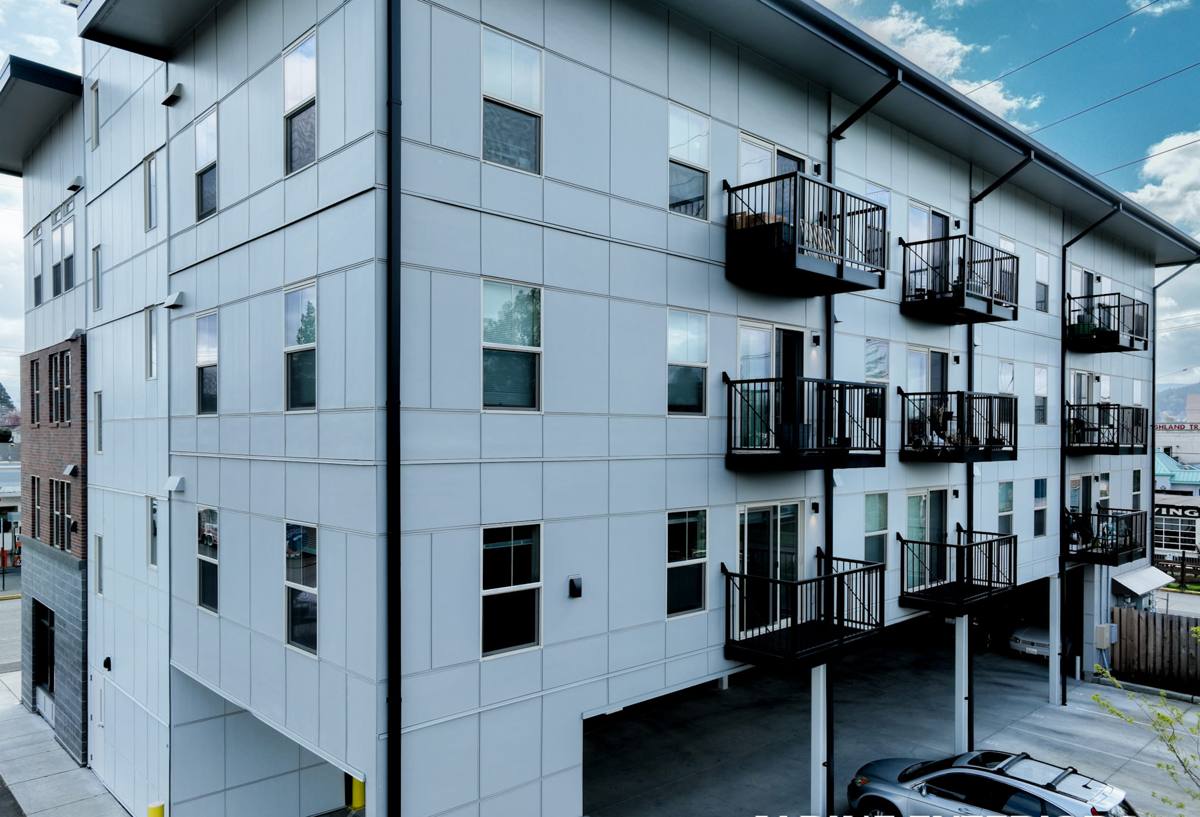
What Fruitville's Climate Does to Siding Over Time
Wind and Wind-Driven Rain
Sarasota County sees tropical systems and strong seasonal storms that push rain sideways under pressure. Any gap, loose panel, or failed caulk joint becomes an entry point. Once water gets behind siding, it doesn't just sit there — it wicks into sheathing, insulation, and framing, and the damage keeps spreading long after the storm has passed.
UV Exposure
Florida's sun is relentless. Painted wood and lower-grade composite products chalk, fade, and become brittle under years of direct UV. Once a surface finish breaks down, it stops shedding water the way it should, and that's when small cracks turn into real moisture problems.
Humidity and Moisture Cycling
Inland areas like Fruitville still see heavy humidity and frequent rain, which means siding is constantly absorbing and releasing moisture. Materials that don't handle that swelling and drying cycle well eventually warp, buckle, or delaminate at the seams.
Salt Air
Sarasota's proximity to the Gulf means salt-laden air moves well beyond the immediate coastline, carried by prevailing winds. It accelerates corrosion on fasteners, trim, and any metal components tied into the siding system, which is a common but often-overlooked cause of loosening panels.
Signs a Fruitville Home Needs Siding Repair
- Visible cracking, splitting, or warping in individual panels or boards
- Soft or spongy spots when pressed — usually a sign of moisture damage underneath
- Panels that have pulled away from the wall or show gaps at the seams
- Peeling, bubbling, or chalking paint/finish, especially on south- and west-facing walls
- Staining or dark streaks near seams, corners, or penetrations (vents, hose bibs, light fixtures)
- Rust streaks around fasteners or trim
- Rising energy bills or noticeable drafts, which can point to compromised siding letting outside air in
- Visible damage after a storm, even if it looks minor from the ground
Any one of these is worth a closer look. Several at once usually means the problem has been developing for a while.
Why "Just Patch It" Often Backfires
A lot of siding repair calls in this area start with a homeowner wanting one damaged board or panel swapped out. That's a reasonable instinct, but it only works if two things are true: the material underneath is sound, and the replacement piece will actually match and perform like the original.
Here's where it gets complicated. Vinyl siding fades unevenly over time, so a new piece next to sun-bleached originals often looks noticeably different. Wood and lower-grade composite trim can look fine on the surface while the framing behind it has already taken on moisture damage — patching over that just hides the problem. And once fasteners or the water-resistive barrier behind the siding have been compromised by wind or moisture intrusion, a cosmetic patch doesn't address the actual failure point.
A correct repair starts with figuring out what's really going on, not just covering the spot that's visible from the driveway.
What a Correct Siding Repair Involves
1. Diagnose Before Touching Anything
We inspect the damaged area and the surrounding siding, checking for soft spots, moisture intrusion, fastener corrosion, and whether the underlying water-resistive barrier is intact. Storm damage in particular often extends beyond what's visible — wind can loosen fasteners or lift panels several feet from the point of obvious damage.
2. Determine Repair vs. Replace
Isolated damage on sound material can usually be repaired. Widespread moisture damage, repeated failure in the same areas, or siding that's simply reached the end of its service life is better addressed with replacement of that section — or in some cases, the whole elevation — rather than repeated patchwork.
3. Match Material and Method Correctly
If the home already has James Hardie fiber cement siding, repairs are made using compatible Hardie product and installed to the manufacturer's fastening and clearance specifications, so the repaired section performs and weathers the same as the rest of the home. If the existing siding is a different material, we'll walk through honestly whether a like-for-like patch makes sense or whether the damaged section is a good candidate to transition to Hardie.
4. Address the Cause, Not Just the Symptom
If the failure was caused by a flashing issue, a caulking gap, a fastener that backed out, or moisture trapped behind the panel, we fix that root cause as part of the repair. Replacing a board without correcting what let water in behind it just guarantees a repeat visit.
5. Verify the Finish
Any repaired area should be sealed, caulked, and finished to match the surrounding siding — including paint or factory-finish color matching where possible — so the repair doesn't stand out and isn't a new weak point for UV or moisture.
Repair vs. Replacement: How We Help You Decide
| Factor | Favors Repair | Favors Replacement |
|---|---|---|
| Extent of damage | Isolated, one or two panels/sections | Recurring or spread across multiple elevations |
| Underlying moisture | Sheathing/framing dry and sound | Soft sheathing, rot, or mold found during inspection |
| Material condition | Rest of siding still performing well | Siding nearing or past expected service life |
| Color/material match | New piece can reasonably match existing | Fading or discontinued product makes matching impossible |
| Root cause | Isolated event (impact damage, one failed fastener) | Systemic issue (poor original install, chronic water intrusion) |
We'll always tell you honestly which side of that table your home falls on. A repair that's likely to fail again within a year or two isn't worth doing — we'd rather explain the trade-off up front.
Why We Install Only James Hardie — and What That Means for Repairs
We standardized on James Hardie fiber cement siding because it holds up to exactly the conditions Fruitville deals with: non-combustible, engineered for high-humidity climates through Hardie's HZ product lines, and finished with a factory-applied ColorPlus finish that resists the fading and chalking that UV causes on painted materials. That durability matters just as much during a repair as during a full installation — a repaired section needs to perform for decades alongside the rest of the siding, not just look right on install day.
When a repair calls for new material, matching into an existing Hardie installation is straightforward because the product line, profiles, and finish options are well documented and consistent. If a home currently has vinyl, wood, or another composite siding and is dealing with recurring repair issues, that's often the point where we'll have a candid conversation about whether ongoing patchwork still makes sense or whether transitioning that section — or the whole home — to Hardie is the better long-term move. That's a decision we lay out plainly, with the real trade-offs, not a hard sell.
Why a Crew That Already Works Fruitville Matters
Siding repair isn't just about the product — it's about knowing how local conditions actually play out on real houses. A crew that regularly works in this part of Sarasota County has already seen how wind-driven rain finds its way into homes in this area, how the tree canopy affects moisture retention and debris impact, and which exposures take the worst UV and salt exposure. That local pattern recognition speeds up diagnosis and helps avoid repeat repairs.
It also means faster response after a storm, when timing matters. Water sitting behind compromised siding for days waiting on a crew to become available does real damage. Local availability isn't a convenience — it's part of doing the repair correctly.
What to Expect From Our Repair Process
- On-site inspection of the damaged area and surrounding siding, including a check for hidden moisture
- Honest assessment of repair vs. replacement, explained in plain terms
- A written scope covering material, method, and root-cause correction (flashing, caulking, fasteners)
- Repair work completed to manufacturer specifications, with attention to matching existing material and finish
- Final walkthrough so you can see and approve the completed work before we consider the job done
Protecting the Repair Going Forward
Once siding is repaired, a little routine attention keeps it from becoming a repeat problem. Rinse off salt residue and debris periodically, keep an eye on caulk joints and seams for cracking, trim back vegetation that holds moisture against the wall, and have the siding looked at after any major storm — even if nothing looks obviously wrong from the ground. Catching a loosened panel or a small gap early is a five-minute fix; ignoring it through another rainy season usually isn't.
If you're seeing damage, discoloration, or storm-related wear on your Fruitville home's siding, we're happy to take a look and give you a straight answer about what it needs — repair, replacement, or just routine maintenance. Reach out for a free, no-pressure estimate using the form below.