 Sarasota Window
 Siding on a Barrier Island Is a Different Job
Siesta Key sits out on the Gulf, separated from the rest of Sarasota County by open water on one side and a barrier of sand and vegetation on the other. That location is exactly why homes here get more sun, more salt, and more wind than a house ten miles inland. Siding that performs fine in a subdivision off Fruitville Road can fail years early on a Siesta Key exterior simply because the exposure is more severe. We treat Siesta Key as its own environment when we spec and install siding, not a smaller version of "Sarasota."
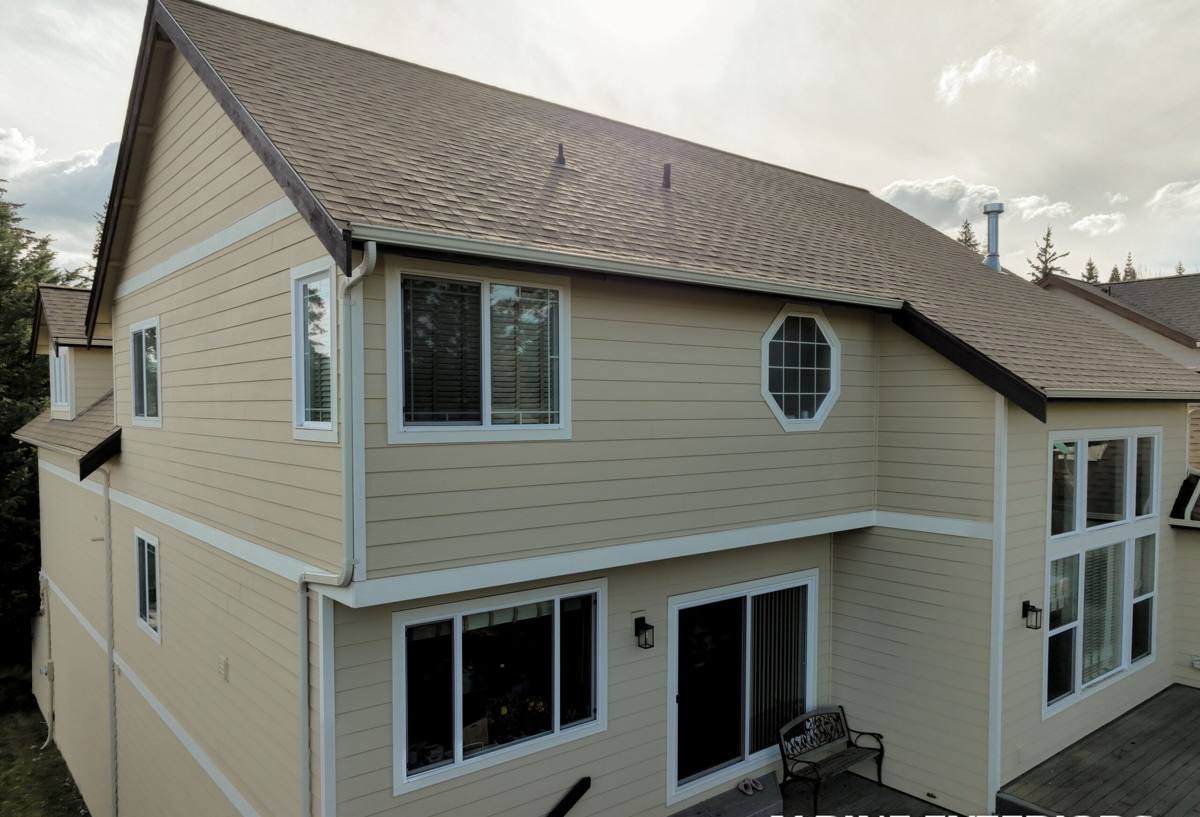
We install one siding product on homes in this area: James Hardie fiber cement. This page explains what the local climate actually does to a home's exterior, what a correctly installed fiber cement job looks like, and why that combination — the right material installed the right way — matters more here than almost anywhere else in the county.
What Siesta Key's Climate Actually Does to Siding
Salt Air and Humidity
Airborne salt from the Gulf settles on exterior surfaces year-round, not just during storms. Combined with Sarasota County's humidity, that salt accelerates corrosion of fasteners and trim, and it degrades paint films and caulk faster than in drier, inland climates. Materials and finishes that aren't built for coastal exposure tend to show wear — chalking, fading, soft spots — well ahead of their rated lifespan.
Intense, Year-Round UV
Florida's UV load doesn't ease off in winter the way it does farther north. Constant sun exposure breaks down pigments and surface coatings, which is why paint jobs on lesser siding products often need refreshing every few years on the coast. A factory-applied, UV-stable finish holds its color far longer than a field-applied coat exposed to this much sun.
Wind-Driven Rain
During tropical storms and the summer wet season, rain on Siesta Key rarely falls straight down — Gulf winds drive it sideways, forcing water into laps, joints, and any gap in the water-resistive barrier. Siding that isn't installed with the correct clearances and flashing details will let that water behind the cladding, where it can sit against wall sheathing for days.
Hurricane-Force Wind Loads
Sarasota County falls within Florida's wind-borne debris region, which means exterior materials and their fastening schedules have to meet real engineering requirements, not just look sturdy. Siding that's under-fastened, or fastened at the wrong spacing for the local wind zone, is one of the first things to fail in a strong storm — and once siding starts peeling, the wall assembly behind it is exposed to whatever comes next.
Why We Only Install James Hardie on Siesta Key Homes
We don't install LP SmartSide, vinyl siding, Cemplank, Allura, or bare wood siding, and on a barrier island the reasons matter more than usual. Vinyl softens and warps under sustained heat and can become brittle over time with UV exposure; it also isn't engineered to the same wind-load fastening standards as fiber cement in high-wind coastal zones. Engineered wood products like LP SmartSide use wood strand cores that are vulnerable to swelling and rot if moisture ever gets past the surface coating — a real risk anywhere that sees wind-driven rain as regularly as this island does. Cedar and other wood sidings look good going up, but they need consistent, ongoing maintenance to resist moisture and insects in a hot, humid climate, and that upkeep burden only grows near saltwater.
Other fiber cement brands, like Cemplank and Allura, are legitimate fiber cement products in general terms — the category itself is sound. Our decision to standardize on James Hardie comes down to their climate-specific engineering (the HZ5 product line is formulated for humid, high-moisture climates like Florida's), their factory-applied ColorPlus finish, and a warranty structure we're comfortable standing behind on every home we side. Consistency also means our crews install one system to one standard, every time, instead of switching techniques between brands.
What a Correct Fiber Cement Siding Job Involves
Fiber cement is only as good as its installation. The board itself is engineered to resist moisture, fire, and wind — but a job that ignores manufacturer specs can undermine all of that. On Siesta Key, we hold to these details without exception:
- A continuous, correctly lapped water-resistive barrier behind the siding, with all penetrations properly flashed and sealed
- Manufacturer-specified fastener type, spacing, and embedment — tightened to the wind zone requirements for this part of Sarasota County, not a generic minimum
- Correct clearance between siding and roof lines, decks, and grade, so water has somewhere to go instead of wicking into the board
- Properly sized gaps at butt joints and trim, caulked with a high-quality, paintable, coastal-rated sealant
- Factory-finished ColorPlus boards handled and cut to avoid exposing raw edges that could absorb moisture
- Corrosion-resistant fasteners and flashing metals throughout, given the accelerated corrosion risk from salt air
Skip any one of these and you can end up with a wall that looks fine from the street for a year or two but is already taking on water behind the surface. That's a much more expensive problem than the siding itself.
Choosing the Right Hardie Profile
Most Siesta Key homes use either HardiePlank lap siding for a traditional horizontal look or HardiePanel for a more modern, vertical board-and-batten style. Both are available in the HZ5 formulation built for Florida's humidity and moisture exposure, and both take the factory ColorPlus finish, which matters on an island where color retention against sun and salt is a real, visible difference over time.
Comparing Siding Options for a Siesta Key Home
| Factor | James Hardie Fiber Cement | Vinyl | Wood / Engineered Wood |
|---|---|---|---|
| UV / color stability | Factory ColorPlus finish resists fading | Fades and chalks with prolonged sun exposure | Field-applied paint needs frequent recoating |
| Moisture behavior | Non-combustible, engineered for humid climates (HZ5) | Won't rot, but can warp and gap over time | Vulnerable to swelling, rot if moisture gets in |
| Wind performance | Rated for high-wind fastening schedules | Lighter panels more prone to wind damage | Performance depends heavily on installation quality |
| Salt air / corrosion | Resists salt exposure well when properly fastened | Fasteners and trim still exposed to corrosion | Higher maintenance burden near saltwater |
| Typical maintenance | Periodic rinse, recaulk as needed, no repainting for years | Low maintenance but limited repair options | Regular repainting, sealing, and pest monitoring |
Our Process on Siesta Key Jobs
1. On-Site Assessment
We look at sun exposure, proximity to the water, existing wall condition, and any signs of past moisture intrusion before we recommend a product line or profile.
2. Product and Color Selection
We walk homeowners through HardiePlank versus HardiePanel and the available ColorPlus finishes, factoring in HOA or neighborhood expectations where relevant.
3. Removal and Wall Prep
Old siding comes off, the sheathing is inspected for hidden damage, and the water-resistive barrier is installed or repaired before a single new board goes up.
4. Installation to Spec
Fastening, flashing, and clearances follow James Hardie's published specifications and the wind-load requirements that apply to this part of the coast — not shortcuts.
5. Final Walkthrough
We inspect every elevation with the homeowner before calling the job done, including caulking, trim details, and paint touch-up at cut edges.
Why a Crew That Already Works Siesta Key Matters
Siding contractors who mostly work inland don't always account for the extra corrosion protection, clearance, and fastening attention that a barrier-island home needs. A crew that regularly works Siesta Key knows the difference between a fastening schedule that's technically code-minimum and one that's actually appropriate for this level of wind and salt exposure. That local familiarity also means fewer surprises with permitting and inspection timelines specific to Sarasota County, and a realistic sense of how a given home's orientation to the Gulf should influence the job.
Maintaining Fiber Cement Siding on Siesta Key
- Rinse siding periodically with a garden hose to remove salt residue, especially on Gulf-facing walls
- Inspect caulking at joints and trim annually, and recaulk any cracked or shrunken sealant
- Watch for chalking or fading on south- and west-facing walls, which take the most direct sun
- Keep irrigation heads and sprinklers from spraying directly onto siding, which accelerates staining and mineral buildup
- Trim back landscaping so foliage doesn't trap moisture against the siding
- After any major storm, walk the exterior and check for loose boards, damaged trim, or compromised caulking
Compared to wood or vinyl, this is a light maintenance list — but skipping it entirely still shortens the life of even a well-installed job in this climate.
Get a Straightforward Estimate
If you're weighing a siding replacement on Siesta Key, we're happy to take a look at your home, talk through what the site's exposure calls for, and give you a clear, no-pressure estimate for James Hardie fiber cement done to spec. Use the form below to get started.