 Sarasota Window
 Southside Village Homes Face a Different Set of Window Problems
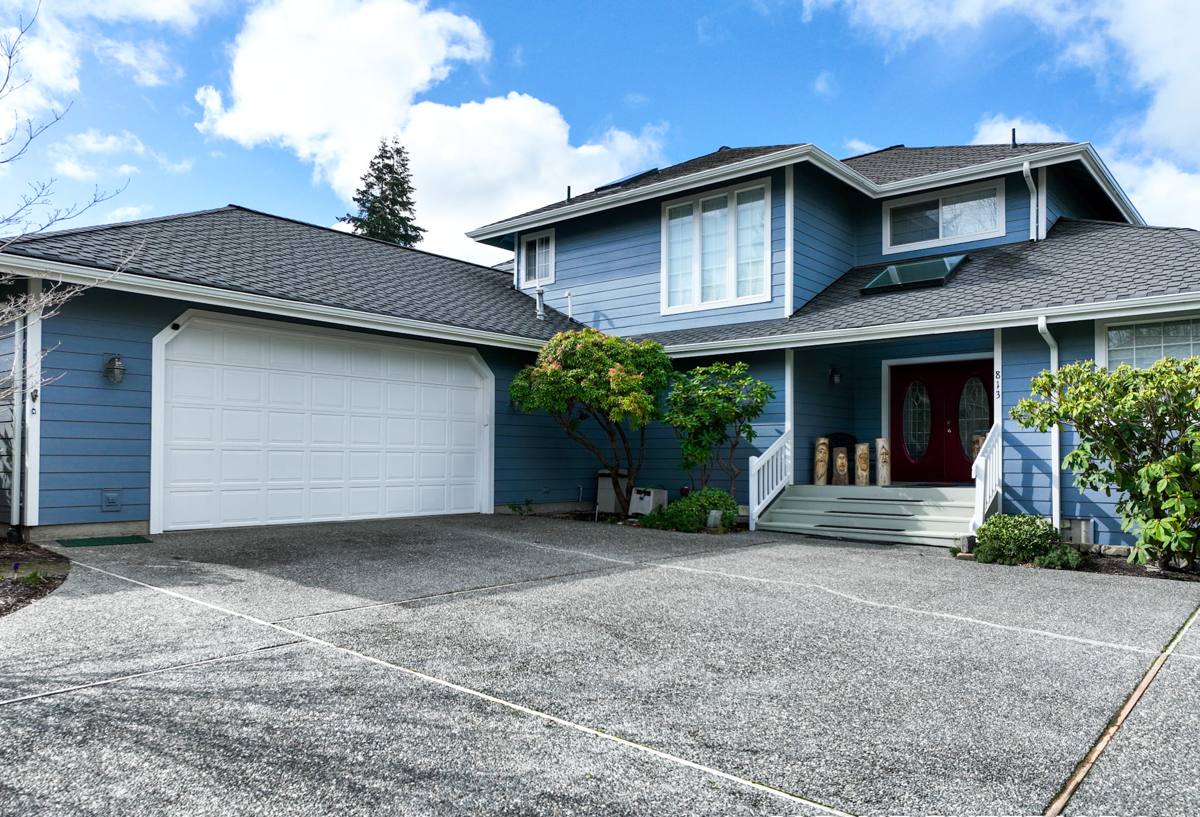
Southside Village is one of Sarasota's older, established in-town neighborhoods, which means the housing stock is a genuine mix — original windows from decades past sitting next to additions, remodels, and the occasional full rebuild. That mix is exactly why "custom" is the right word for window work here. A standard off-the-shelf window size rarely matches an opening in a home that's been added onto or updated over the years, and forcing a stock unit into a non-standard opening is how you end up with gaps, shims, extra caulk doing work it was never meant to do, and a window that fights the house instead of fitting it.
On top of the age and variety of the openings, these homes sit close enough to Sarasota Bay and the Gulf that salt air, wind-driven rain, and hurricane-strength wind events are a normal part of the picture, not a rare exception. Windows here get asked to do more than windows in most of the country. That combination — older, non-standard openings plus a genuinely tough climate — is the core reason a generic window install doesn't hold up the way a properly measured, properly flashed, properly rated custom install does.
What Sarasota's Climate Actually Does to a Window Over Time
It's worth being specific about the mechanisms, because they drive every decision that follows.
Wind
Sarasota County sits in Florida's wind-borne debris region, so window and door systems installed here need to meet wind-load and impact standards tied to your home's specific elevation, exposure, and roofline — not a generic "hurricane window" label. A window that isn't properly rated and anchored for its actual opening can fail under pressure long before the glass itself is the weak point; frame flex, weak anchoring, and poor sealant work are usually the real culprits.
UV Exposure
Florida sun is intense and constant, essentially year-round. UV breaks down vinyl, dries out seals, and fades interior finishes faster than most homeowners expect. Low-E glass coatings and UV-stable frame materials aren't upsells here — they're what keeps a window looking and performing the same in year eight as it did in year one.
Wind-Driven Rain
Rain in a coastal wind event doesn't fall straight down — it drives sideways and upward into gaps that would never see water in a calmer climate. This is a flashing and installation-detail problem as much as a product problem. The best window on the market will still leak if the opening underneath it wasn't properly prepped and sealed.
Salt Air
Being near the water means airborne salt settles on frames, hardware, and glass. Over years, it accelerates corrosion on lesser-grade hardware and pits untreated metal finishes. It's a slow problem, which is exactly why it gets overlooked until hardware starts sticking or discoloring.
Why "Custom" Matters More in an Established Neighborhood
In a neighborhood built up over multiple decades, "custom windows" usually means one of three things, and each calls for a different approach:
- Matching an odd or original opening size — common in older homes where framing doesn't match today's standard dimensions.
- Matching architectural character — grid patterns, trim profiles, or proportions that keep a remodel or replacement consistent with the rest of the house.
- Upgrading performance without changing the opening — replacing an aging window with a properly rated, better-sealed unit that fits the existing rough opening cleanly.
Getting any of these wrong is expensive to fix later. A window ordered to the wrong dimension, or installed without accounting for how the original opening was framed, often means redoing trim, siding, or interior finish work — not just swapping glass.
Choosing the Right Window Type for This Neighborhood
There's no single "correct" window for every home in Southside Village — the right choice depends on the opening, the home's style, and the budget. The table below covers the trade-offs we walk homeowners through most often.
| Window Type | Best Fit | Trade-Offs |
|---|---|---|
| Single-hung / double-hung | Traditional and bungalow-style homes wanting a period-correct look | Moving parts require good hardware; lower-end units can develop play over time |
| Casement | Openings where a tighter seal against wind-driven rain matters | Crank hardware needs to be quality-grade to hold up long-term in salt air |
| Fixed / picture | Non-operable openings, maximizing view and natural light | No ventilation; best paired with operable units nearby |
| Aluminum frame, impact-rated | Homes prioritizing wind performance and a slim sightline | Higher upfront cost; excellent structural performance |
| Vinyl frame, impact-rated | Budget-conscious replacements with good energy performance | Frame quality varies widely — this is not a spot to buy the cheapest option |
We don't push one frame material as universally "best." We do steer homeowners away from lower-grade vinyl in direct salt exposure or full afternoon sun, because the maintenance burden and shorter service life end up costing more than the upfront savings justify. That's a professional judgment call based on how these materials actually age here, not a knock on any manufacturer.
What a Correct Installation Actually Involves
The window itself is maybe half the job. The other half is what happens at the opening before and during install:
- Accurate measurement of the actual opening — not the "nominal" size, the real one, including any settling or square issues common in older framing.
- Removal and inspection of the existing window and surrounding framing for hidden water damage or rot before anything new goes in.
- Proper flashing and sealant integration tied into the home's existing weather barrier, so water has a designed path out, not just a caulk bead hoping to hold.
- Correct anchoring to the actual structural framing, per the window's tested and rated installation instructions — not a generic screw pattern.
- Interior and exterior finish work that matches the home, so the new window doesn't look like a patch job.
- Final inspection and function check — operation, seal, and cleanup.
Skipping or rushing any of these steps is the single most common reason a window that's rated to handle Sarasota's climate ends up leaking or underperforming anyway. The rating on the box only means something if the install honors it.
Permitting and What Your Estimate Should Include
Window replacement and custom window installation in Sarasota County typically requires a permit, with the specific wind-load and impact requirements determined by your home's exposure category and elevation. This isn't paperwork for its own sake — it's what confirms the products and installation method are actually rated for what your specific home needs to withstand. A written estimate worth trusting should spell out the product's wind rating, whether permitting and inspection are included, and what happens to the existing opening if damage is found once the old window comes out. If a quote is vague on any of those points, that's worth asking about before you sign anything.
What Custom Windows Typically Cost — and Why
Costs vary a lot based on size, glass package, frame material, and how much the opening itself needs work. Rather than quote a number that won't match your situation, here's what actually drives the price up or down.
| Cost Factor | Why It Matters |
|---|---|
| Opening condition | Rot, framing damage, or an out-of-square opening adds labor before the new window ever goes in |
| Impact rating / glass package | Laminated impact glass costs more than standard tempered or annealed glass, but reduces or eliminates the need for separate shutters |
| Frame material and grade | Entry-level vinyl vs. reinforced vinyl vs. aluminum carries a real price spread and a real performance spread |
| Custom sizing | Non-standard dimensions cost more than stock sizes because they can't be pulled off a shelf |
| Number of openings and access | Second-story or hard-to-access windows add labor time |
We'd rather walk through your specific openings and give you real numbers than quote a range that doesn't mean much until we've actually seen the house.
Keeping Your Investment Sound in a Salt-Air Environment
A properly installed, properly rated window still needs a small amount of upkeep to get its full service life out of Sarasota's climate. A simple seasonal routine covers most of it:
- Rinse frames and tracks periodically to clear salt residue, especially after storms
- Check and lightly lubricate hardware (locks, hinges, cranks) so salt buildup doesn't cause sticking
- Inspect exterior sealant lines annually for cracking or gaps, particularly after a hard hurricane season
- Clear weep holes on operable windows so water has a way out instead of pooling
- Watch for condensation between panes on insulated glass units — it usually signals a failed seal, not a cleaning issue
None of this is heavy maintenance, but skipping it in a salt-air environment shortens the life of even a well-installed window.
Why a Crew That Already Works This Neighborhood Matters
Southside Village's mix of older framing, additions, and varying opening sizes means a lot of jobs here aren't "measure and order a standard size" — they require judgment about how the original structure was built and how to tie a new window into it correctly. A crew that regularly works in this neighborhood has already seen the common framing quirks, knows what Sarasota County's permitting process expects, and isn't guessing at wind-load requirements on the fly. That familiarity is what keeps a custom window job on schedule and free of surprises once the old window comes out and the opening is exposed.
If you're considering custom windows for a home in Southside Village, we're happy to come take a look, measure the actual openings, and put together a straightforward, no-pressure estimate — just fill out the form below to get started.