 Sarasota Window
 Roof Repair Built for Southside Village's Climate
Southside Village sits in one of Sarasota's older, established residential pockets — homes with real tree canopy, a mix of roof ages, and close enough to the water that salt air is a daily fact of life, not an occasional nuisance. A roof here works harder than a roof inland. Between hurricane-season wind loads, near-constant UV exposure, wind-driven rain that finds every weak seam, and the slow corrosive drip of salt-laden air on fasteners and flashing, Sarasota County roofs age differently than roofs almost anywhere else in the country. Our roof repair work in Southside Village is built around that reality, not a generic checklist.
This page covers roof repair specifically — patching, resealing, replacing damaged sections, and fixing the underlying causes of leaks — not full roof replacement. Most roofs that are otherwise sound don't need a full tear-off; they need the right repair done correctly, with materials and techniques suited to this climate.
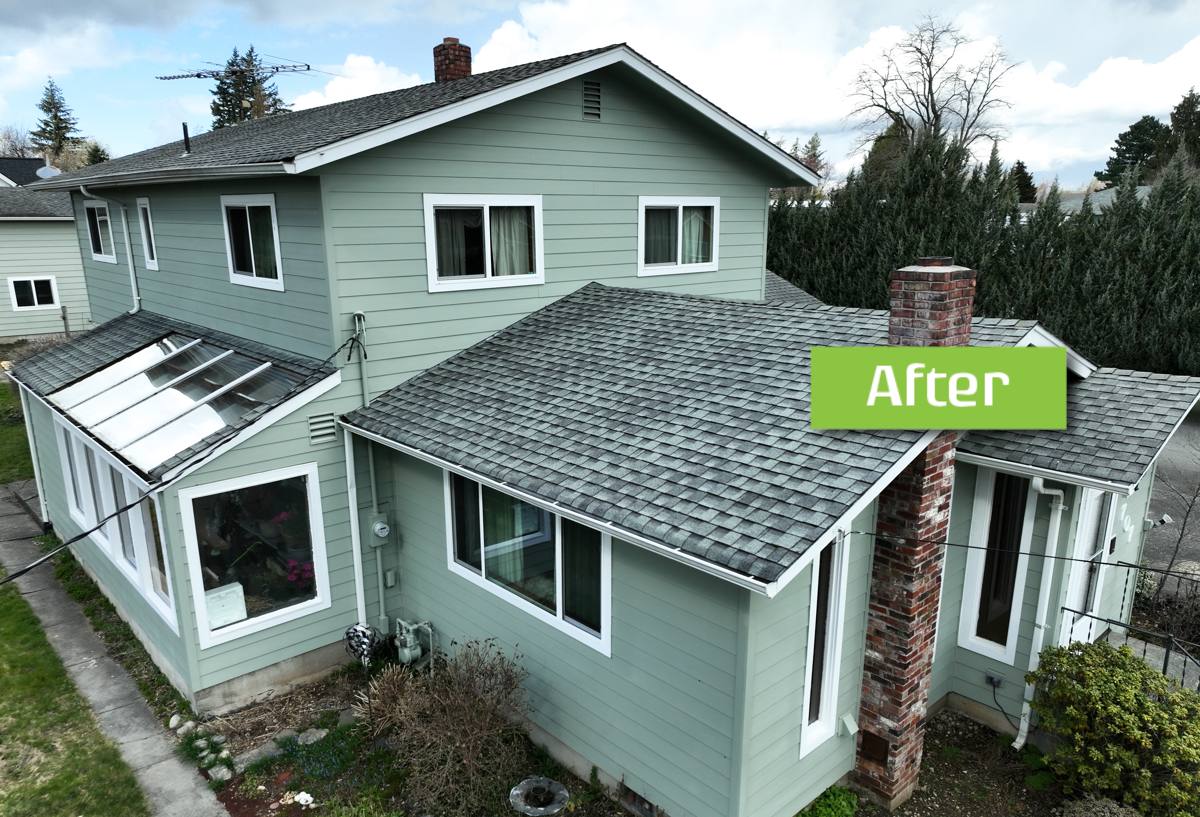
What Southside Village Homes Are Up Against
Wind and Storm Exposure
Sarasota sits directly in the path of Gulf-driven storm systems, and even a roof that survives a hurricane's peak winds intact can come out of the season with lifted shingle tabs, cracked tiles, or flashing that's been worked loose by repeated flexing. That damage isn't always visible from the ground, and it's exactly the kind of thing that turns into an interior leak months later during an ordinary afternoon thunderstorm.
UV and Heat
Florida sun breaks down roofing materials from the top down — UV exposure dries out asphalt shingles, degrades sealants, and accelerates the aging of underlayment long before the shingles themselves look worn. A roof that's 12-15 years old in Southside Village has typically absorbed more cumulative UV stress than a 20-year-old roof in a milder climate.
Wind-Driven Rain
Sarasota storms rarely come straight down. Wind-driven rain gets pushed sideways and upward under shingle edges, around vent boots, and through any gap in flashing that a vertical rain would never reach. This is the single biggest cause of leaks we find in older Southside Village roofs — not a hole, but a seam or flashing detail that was never sealed for horizontal water intrusion.
Salt Air Corrosion
Being close to Sarasota Bay and the Gulf means metal components — nails, flashing, vent stacks, drip edge — corrode faster than they would inland. Corroded fasteners lose their grip on shingles and tiles; corroded flashing develops pinholes. It's slow, and it's often the real root cause behind a leak that looks like it came from somewhere else.
Signs Your Roof Needs a Repair Call
Most roof problems give warning signs well before there's an active leak inside the house. Catching them early is almost always cheaper and less disruptive than waiting.
- Water stains on ceilings or upper interior walls, even faint or old-looking ones
- Missing, cracked, curling, or lifted shingles — especially after a windstorm
- Cracked, slipped, or displaced roof tiles
- Granules collecting in gutters or downspouts (a sign of shingle wear)
- Visible daylight through the attic roof deck
- Soft or sagging spots when walking the roof or viewing from a ladder
- Rusted, lifted, or gapped flashing around chimneys, skylights, or roof-wall joints
- Higher-than-usual attic temperatures or humidity, which can point to ventilation or moisture issues
- A musty smell in upper rooms or closets against an exterior wall
Any one of these is worth a call. Several at once usually means the roof has been dealing with a problem for a while.
Common Southside Village Roof Problems, and Their Real Cause
| What You Notice | Likely Root Cause | Repair Approach |
|---|---|---|
| Ceiling stain after a storm | Wind-driven rain past worn flashing or a lifted shingle | Locate and reseal/replace the failed flashing or shingle section |
| Leak near chimney or skylight | Cracked or corroded step flashing, dried-out sealant | Remove and rebuild flashing detail, not just caulk over it |
| Recurring leak in the same spot | Prior repair addressed the symptom, not the source | Trace the water path from the interior stain back to its actual entry point |
| Granule buildup, thinning shingles | UV degradation nearing end of shingle service life | Section replacement now, replacement planning conversation for later |
| Rust streaks near vents or flashing | Salt-air corrosion of metal components | Replace corroded metal with corrosion-resistant materials |
| Cracked or slipped tiles | Wind uplift or foot traffic on tile roofing | Individual tile replacement, underlayment check beneath |
What a Correct Roof Repair Actually Involves
A repair that just covers the visible symptom tends to fail again within a season or two, especially in a climate this demanding. A repair that lasts starts with finding the actual entry point, which isn't always directly above the interior stain — water travels along rafters and decking before it shows up inside.
Diagnosis First
We trace the leak path from the interior evidence back to the roof, checking flashing, vent boots, shingle or tile condition, and the underlayment where accessible. Guessing at a repair location wastes the homeowner's money and the roof's remaining life.
Matching Materials Correctly
Repair shingles, tiles, or flashing need to match the existing roof's material, profile, and where possible, color — both for appearance and so the repair performs the same way the surrounding roof does under wind and rain. Mismatched materials can create new points of failure at the seams.
Flashing Done Right, Not Just Caulked
A huge share of "mystery leaks" in this area trace back to flashing that was patched with sealant instead of properly reformed or replaced. Sealant is a short-term fix; correctly lapped and fastened flashing is the long-term one. We rebuild flashing details rather than caulking over failure.
Fastener and Metal Quality
Given the salt air here, we use corrosion-resistant fasteners and flashing components suited to coastal Florida conditions. Standard hardware corrodes faster in Sarasota than it would inland, and a repair is only as durable as its weakest fastener.
Our Roof Repair Process
- Inspection. We assess the roof and, where safe and useful, the attic side to confirm the actual leak path and check for hidden decking damage.
- Honest assessment. We tell you plainly whether this is a targeted repair, a larger section replacement, or a case where a full re-roof makes more financial sense — and why.
- Written scope. You know exactly what's being repaired, with what materials, before work starts.
- The repair. Proper tear-out of the damaged area, correct underlayment and flashing work, and material matched to the existing roof.
- Cleanup and check. Debris and old materials removed, and a final check to confirm the repair area is sealed and sound.
Repair vs. Replacement: How We Help You Decide
| Factor | Leans Toward Repair | Leans Toward Replacement |
|---|---|---|
| Age of roof | Under roughly 10-12 years | Nearing or past manufacturer's expected service life |
| Extent of damage | Isolated to one section or detail | Widespread across multiple roof planes |
| Leak history | First occurrence or single recurring spot | Multiple unrelated leaks over recent seasons |
| Underlying decking | Sound, no rot found | Soft, delaminated, or water-damaged decking |
| Storm exposure | Cosmetic or minor wind damage | Significant structural or widespread uplift damage |
We're not going to push a full replacement when a repair will genuinely hold up, and we're not going to keep patching a roof that's telling you it's done. We'll walk you through where your roof falls on this table and let you make the call with real information.
Why It Matters That We Already Work in Southside Village
A neighborhood with mature tree cover and a mix of home ages has particular roofing quirks — older flashing details, roofs with a history of tree-limb damage, and homes close enough to the bay that salt exposure shows up in the hardware before it shows up in the shingles. A crew that regularly works Southside Village recognizes these patterns fast instead of treating every roof as a blank slate. That familiarity means a quicker, more accurate diagnosis and fewer surprises once the repair is underway.
It also means we're not a stranger showing up once. If a repair needs a follow-up check after the next storm season, or a question comes up six months later, you're calling a crew that already knows your roof.
Maintaining a Repaired Roof in This Climate
A good repair buys you years, but Sarasota's climate keeps working on the roof year-round. A little routine attention keeps small issues from becoming leaks again.
- Have the roof looked at after any named storm or significant wind event
- Keep gutters and valleys clear of leaf and debris buildup from surrounding tree canopy
- Trim overhanging limbs that can abrade shingles or drop debris on the roof
- Watch for granule loss in gutters as an early sign of shingle wear
- Get flashing and sealant points checked every couple of years, since sealant is the first thing UV exposure breaks down
- Address small leaks immediately rather than waiting — hidden decking damage compounds quickly in humid coastal air
Get a Straight Answer About Your Roof
If you're dealing with a leak, storm damage, or a roof that's just showing its age in Southside Village, we'll come take an honest look and tell you what it actually needs — repair, a larger section replacement, or nothing urgent at all. There's no pressure and no obligation. Use the form below to request a free estimate and we'll get back to you to schedule a time.