 Sarasota Window
 Storm Damage Roof Repair Built for Southside Village Homes
Southside Village sits close enough to Sarasota Bay that homes here take on a specific mix of weather stress: tropical storms and hurricane-force gusts that push rain sideways under roofing materials, salt-laden air that accelerates corrosion on fasteners and flashing, and near-constant UV exposure that ages roofing faster than it would inland. A roof that looks fine from the street after a storm can still be hiding a torn underlayment seam, lifted shingle tabs, or a compromised flashing joint that lets water in during the next rain. Storm damage repair in this neighborhood isn't just patching what's obviously broken — it's making sure the roof is actually sealed and structurally sound before the next system rolls through.
This page covers what storm damage repair actually involves for homes in this part of Sarasota County, what a correct repair looks like, and why local experience with this specific area's housing stock and weather exposure matters.
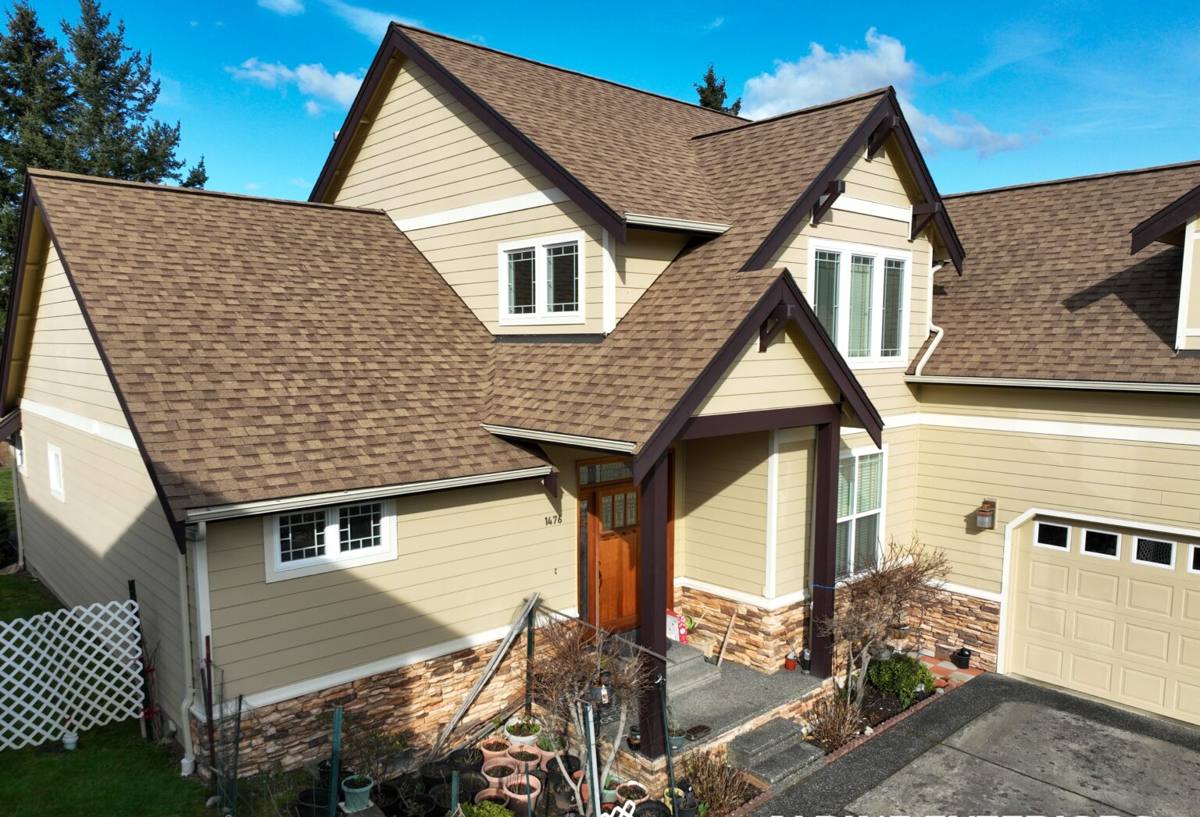
What Storm Damage Actually Looks Like
Not all storm damage is dramatic. Some of it is obvious — missing shingles, a hole from a fallen limb, a section of tile blown off the roof deck. But a lot of the damage that causes real problems later is subtle, and homeowners often don't notice it until they see a stain on a ceiling weeks after the storm has passed.
Wind-Driven Rain Intrusion
Sarasota's storms rarely bring rain straight down. Wind pushes it sideways and even upward under roof edges, ridge caps, and flashing that would keep out a normal rain. Once wind-driven rain finds a gap — even a small one around a vent pipe or at a valley — it can travel along the underlayment and show up as a stain far from where the actual entry point is.
Impact and Debris Damage
Flying debris, dropped branches, and hail (less common here but not unheard of) can bruise or crack shingles and tiles without knocking them off the roof entirely. That kind of damage often isn't visible from the ground, which is why a physical inspection after any significant storm matters more than a quick visual check from the driveway.
Cumulative UV and Heat Stress
Year-round sun exposure dries out asphalt shingles and breaks down sealants over time, so a roof that's already a decade or more into its service life is far more likely to sustain real damage in a storm that a newer roof would shrug off. Storm damage and age-related wear often show up together, and a repair plan needs to account for both.
How We Assess Storm Damage
An honest assessment is the foundation of a correct repair. We walk the roof (not just look at it from the ground), check the attic from the inside for water staining or damp insulation, and inspect flashing points around chimneys, skylights, and roof-to-wall transitions — these are consistently where storm-related leaks start.
What We Document
For any storm-related repair, we photograph and note the specific damage found, distinguishing between what was caused by the storm event and what was pre-existing wear. This distinction matters for insurance purposes and for setting honest expectations about what the repair will and won't fix.
What We Won't Do
We won't tell a homeowner they need a full roof replacement when a targeted repair will do the job correctly, and we won't downplay damage that needs more than a patch. Both directions of dishonesty are common in storm-response roofing work, and both end up costing homeowners more in the long run.
What a Correct Storm Repair Involves
A storm repair that actually holds up in Sarasota's climate goes beyond replacing what's visibly missing.
Matching Materials Correctly
Whether the roof is asphalt shingle or tile, replacement material needs to match the existing roof's profile and, as closely as possible, its color and weight. A mismatched patch is a cosmetic problem now and a maintenance headache later, since materials from different manufacturing runs age at different rates.
Underlayment and Flashing First
The shingles or tiles you see are the roof's outer layer — the underlayment and flashing underneath are what actually keep water out. Any repair that replaces surface material without checking the underlayment and flashing beneath it is an incomplete repair. In a storm-prone coastal climate, we treat underlayment condition as equally important as the visible roofing material.
Fastening for Wind Resistance
Florida's building code has specific fastening requirements for wind-exposed areas, and Sarasota County enforces them. A repair that doesn't meet current fastening standards for the wind zone is a repair that's likely to fail again in the next storm — sometimes worse than the first time, because a partially secured section is more vulnerable to wind uplift than one that was never disturbed.
Repair vs. Replacement: How We Help You Decide
Storm damage doesn't always mean a full roof replacement, but sometimes it's the more honest and cost-effective path. The table below outlines the general factors we weigh.
| Factor | Favors Repair | Favors Replacement |
|---|---|---|
| Age of existing roof | Under 10-12 years | Nearing or past expected service life |
| Extent of damage | Localized to one or two areas | Spread across multiple roof planes |
| Underlayment condition | Intact outside damaged area | Degraded or saturated broadly |
| Material availability | Matching material still obtainable | Discontinued or significantly faded elsewhere |
| Storm exposure history | First major damage event | Repeated damage in recent years |
These are general guidelines, not fixed rules — every roof and every storm event is different, which is why the assessment above happens before any recommendation.
Our Process, Start to Finish
- Initial contact and scheduling — we get basic details about the storm event and visible damage, and schedule an on-site inspection.
- On-site inspection — a physical roof walk and attic check, not just a ground-level look.
- Written findings — a clear explanation of what's damaged, what's causing it, and what repair options make sense.
- Insurance documentation (if applicable) — photos and notes formatted to support a homeowner's claim, without exaggerating or downplaying anything.
- Repair work — matched materials, correct underlayment and flashing work, and fastening that meets current wind-zone code.
- Final walkthrough — we confirm the repair with the homeowner before considering the job done.
Why Local Experience in Southside Village Matters
A crew that regularly works this part of Sarasota knows the housing stock — the mix of roof ages, common construction styles, and how homes here have historically fared in storms. That familiarity speeds up the assessment and reduces guesswork. It also means a faster response after a storm, since local crews aren't traveling in from out of the area or juggling jobs across multiple counties.
Out-of-area storm response crews aren't inherently dishonest, but they typically won't be around for a warranty callback six months later, and they don't have the same accountability to a local reputation that a contractor based in and around Sarasota does. For a repair meant to hold up through the next hurricane season, that ongoing relationship matters.
Working With Your Insurance Claim
Most storm damage repairs in this area involve an insurance claim, and the process goes smoother when the documentation is thorough and accurate from the start. We provide the same photos, notes, and damage assessment to the homeowner and the insurance adjuster — there's no separate version of the story depending on who's asking. We're happy to be present or available during an adjuster's visit if that's helpful, but the insurance company's adjuster makes the coverage determination; our role is providing an accurate, professional roofing assessment.
Homeowners should know that filing a claim promptly after storm damage occurs generally supports a smoother claims process, and that most policies have documentation and timing requirements worth reviewing with your agent.
After the Repair: Keeping the Roof Sound
A correct repair is the first step — a few simple habits help it last through Sarasota's ongoing weather exposure.
- Have the roof visually inspected after any major named storm, even if no leaks appear right away.
- Keep gutters and downspouts clear so water isn't backing up under roof edges.
- Trim back tree limbs that overhang the roofline before storm season.
- Check the attic periodically for signs of moisture, staining, or unusual odors.
- Keep a record of any roof work done, including photos and dates, for future reference and insurance purposes.
Get an Honest Look at Your Roof
If your Southside Village home has visible storm damage — or you're not sure whether recent weather left something behind that isn't obvious yet — we're glad to take a look. The estimate is free, there's no pressure to move forward, and you'll get a straightforward explanation of what we find. Use the form below to get started.