 Sarasota Window
 Storm Damage Roof Repair Built Around How Palmer Ranch Homes Are Built
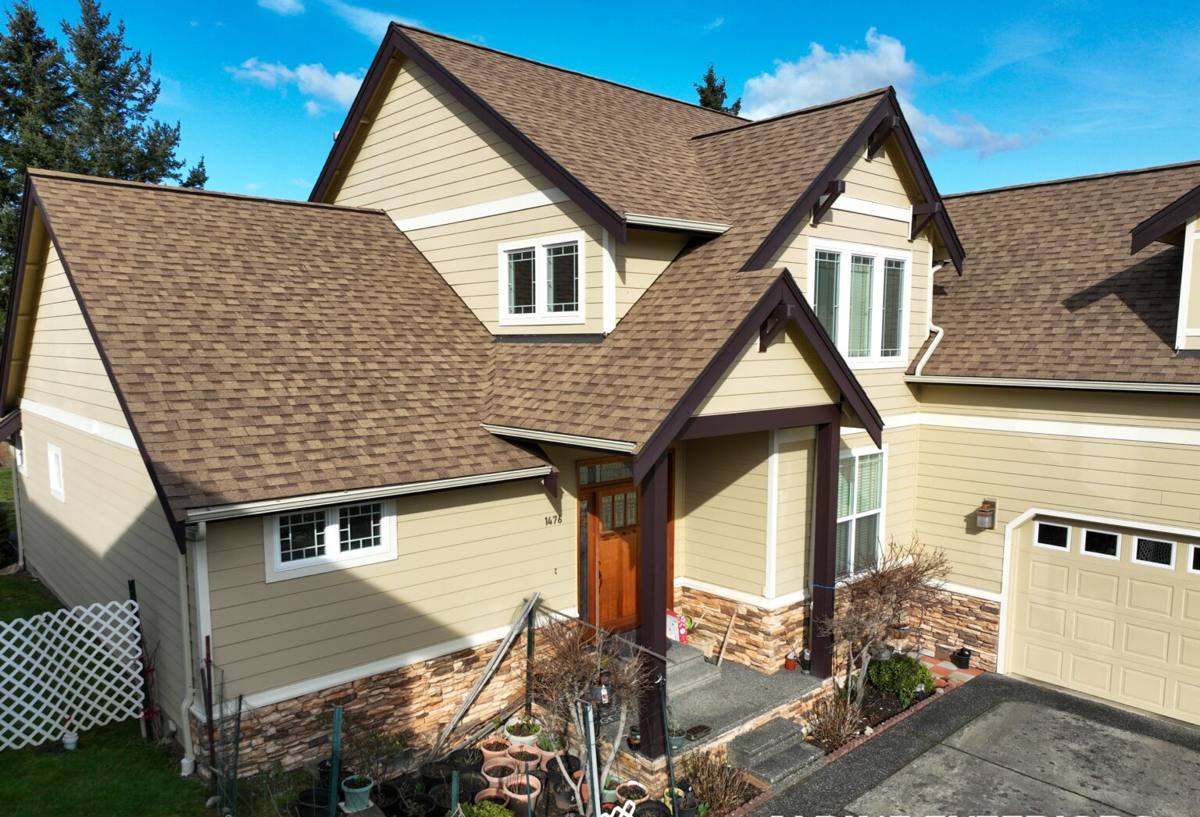
Palmer Ranch is one of the larger planned communities in Sarasota County, and it grew in phases over several decades. That means the roofs sitting on top of it aren't uniform — you've got barrel tile on some sections, dimensional asphalt shingle on others, and a mix of ages depending on which part of the community a home sits in. When a storm rolls through, the damage pattern and the right fix depend a lot on which of those roofs you're dealing with. A repair approach that works on a 15-year-old shingle roof isn't necessarily right for a tile roof two streets over, and treating every storm-damaged roof the same way is how homeowners end up with a patch that fails again in the next system.
This page covers what storm damage roof repair actually looks like for homes in Palmer Ranch specifically — what tends to go wrong here, how we assess it, and how the repair process works from first call to final inspection.
Why Storms Hit This Part of Sarasota County Hard
Sarasota sits in a stretch of Florida that deals with a real combination of stressors on a roof, not just one. Hurricane-force and tropical-storm-force winds are the obvious one — gusts that lift shingle tabs, crack or dislodge tile, and drive rain sideways under flashing that would stay dry in a normal downpour. But wind isn't the only thing doing damage.
Wind-Driven Rain
A roof doesn't have to lose shingles or tile to leak. Wind-driven rain gets pushed uphill under laps and around penetrations — vent stacks, skylights, chimney flashing — that were never designed to handle water moving against gravity. This is one of the most common reasons a Palmer Ranch homeowner finds a ceiling stain after a storm even though the roof "looked fine" from the ground.
Year-Round UV Exposure
Between storms, the sun is doing quiet damage. Sarasota gets intense, near-constant UV exposure, which dries out shingle asphalt and breaks down sealant strips and tile underlayment faster than in most parts of the country. A roof that's already UV-fatigued has a lot less margin left when a storm hits — the same wind load that a newer roof shrugs off can tear loose material on an older one.
Salt Air
Palmer Ranch isn't directly on the coast, but Sarasota's proximity to the Gulf means salt-laden air still reaches inland neighborhoods, especially on onshore wind days. Salt accelerates corrosion on exposed metal — nail heads, flashing, drip edge, gutter fasteners — which is often the actual point of failure during a storm, not the roofing material itself.
Put those three together — wind, UV, and salt — and you get a roof that ages differently in Sarasota County than it would in a drier, cooler climate. Storm damage repair here has to account for that underlying wear, not just the visible hole or missing shingle.
Common Storm Damage We See on Palmer Ranch Roofs
Not every storm produces the same kind of damage, and not every kind of damage is equally urgent. Here's what we're typically assessing when we get a call after a storm in this area:
| Damage Type | What It Looks Like | Urgency |
|---|---|---|
| Lifted or missing shingles | Bare patches, shingle tabs found in the yard, exposed nail lines | High — exposed underlayment fails fast in the next rain |
| Cracked or displaced tile | Visible cracks, tiles shifted out of alignment, gaps at ridges or hips | Moderate to high depending on location on the roof |
| Flashing separation | Gaps at chimneys, skylights, wall-to-roof joints; often no visible sign from the ground | High — a leading cause of hidden leaks |
| Bruised or fractured underlayment | Only visible once roofing material is pulled back; found during inspection | Moderate — needs addressing before it becomes an active leak |
| Gutter and fascia damage | Bent, pulled-away, or clogged gutters; soft or stained fascia board | Moderate — affects water management even if the roof deck is sound |
| Granule loss on shingles | Sandy grit collecting in gutters or downspouts after a storm | Lower urgency alone, but signals accelerated aging |
The tricky part is that the most urgent damage — flashing separation, bruised underlayment — is often the least visible. A roof can look intact from the driveway and still be actively letting water in at a penetration point. That's why a proper storm damage assessment means getting on the roof, not just looking at it with binoculars.
How We Handle a Storm Damage Repair Call
1. Inspection First, Not a Sales Pitch
We walk the roof, check every penetration, flashing point, and transition, and look at the attic from the inside if access allows. The goal is a clear picture of what the storm actually did — not an excuse to sell a full replacement when a repair will hold.
2. Documentation You Can Use
If you're planning to file an insurance claim, we document what we find — photos, notes on location and cause — in a way that supports your claim rather than leaving you to explain it yourself. We'll go over what we found and what we recommend before any work starts, and we're straightforward about what's storm-related versus what's ordinary wear.
3. The Repair Itself
Depending on the damage, this might mean replacing individual shingles or tiles, resealing and re-flashing a penetration, rebuilding a section of underlayment, or addressing gutter and fascia damage that's letting water track into the fascia and soffit. We match materials as closely as possible so a repair doesn't stand out as a patch — and we don't cut corners on flashing or underlayment just because it's "only a repair," since that's exactly where the next storm will find the weak point.
4. Cleanup and Final Check
We clear debris — old shingles, tile fragments, nails — from the roof, gutters, and property before we consider the job done, and we do a final walk-through so you know exactly what was done and why.
Repair or Replace? How We Actually Decide
Not every storm-damaged roof needs to come off. But sometimes a repair is a short-term patch on a roof that's already near the end of its useful life, and it's worth knowing the difference before you spend money either way.
| Factor | Leans Toward Repair | Leans Toward Replacement |
|---|---|---|
| Roof age | Under 10-12 years, UV wear still limited | Past or near the end of the material's expected service life |
| Extent of damage | Isolated to one section or a handful of penetrations | Widespread across multiple slopes |
| Underlayment condition | Underlayment underneath is still sound where exposed | Underlayment is brittle, torn, or already failing in multiple spots |
| Prior repair history | First significant storm damage on this roof | Roof has been patched repeatedly over recent years |
We'll tell you honestly which side of that table your roof falls on. If a repair is the right call, that's what we'll recommend — a repair-first approach doesn't mean underselling a real replacement need, it means not pushing one you don't have yet.
Insurance Claims for Storm-Related Roof Damage
Wind and storm damage is often covered under homeowners insurance, but coverage and claims processes vary by policy and carrier, so we're not going to promise a specific outcome. What we can do is give you an honest, well-documented assessment of what the storm caused versus what was pre-existing wear — that distinction matters to an adjuster, and vague or incomplete documentation is one of the most common reasons a legitimate claim gets pushback. If you're not sure whether damage is claim-worthy, it's worth having it looked at before you decide either way.
What to Do After a Storm — Before We Arrive
- Do a ground-level visual check only — do not get on the roof yourself, especially with wet or wind-damaged materials underfoot
- Check attic spaces and ceilings for staining, moisture, or drips
- Photograph any visible damage — missing shingles/tile in the yard, dented gutters, damaged screens or soffit
- Note the date and approximate time of the storm for your records
- If you see active water intrusion, place a container to catch it and move nearby belongings, but don't attempt roof-level repairs yourself
- Call for an inspection promptly — exposed underlayment and open flashing seams get worse with every rain, not just the next big storm
Why It Matters That We Already Work in Palmer Ranch
A roofing crew that's worked storm damage across Palmer Ranch has already seen how the different eras of construction here hold up — which flashing details tend to fail first, which tile profiles are common and where to source matching material, and where certain neighborhoods' drainage and roof pitch combinations create recurring trouble spots. That local pattern recognition speeds up the inspection and cuts down on guesswork.
It also means we're not learning Sarasota's climate on your roof. Wind-driven rain, salt air corrosion, and UV-accelerated aging all behave differently than storm damage in other parts of the country, and a repair that doesn't account for that tends to fail again well before it should.
Keeping a Repaired Roof From Becoming a Repeat Call
A storm repair is a good moment to also flag anything else on the roof that's heading toward trouble — a UV-brittle sealant, a gutter run that's been overflowing, flashing that's showing early rust from salt exposure. Addressing those small things at the same time as the storm repair is usually far cheaper than waiting for the next system to turn them into an emergency call. We'll point out anything like that during the inspection, with no pressure to act on it immediately.
If your Palmer Ranch home has storm damage — or you're just not sure whether recent weather left something behind — we're glad to take a look. Fill out the form below for a free, no-pressure estimate and honest read on what your roof actually needs.