 Sarasota Window
 Deck Replacement in The Meadows: Built for Sarasota's Climate, Not Just the Weekend
The Meadows is one of the more established residential communities in Sarasota, known for its mature tree canopy, golf course frontage, and homes that have been standing through decades of Gulf Coast weather. That age is exactly why deck replacement comes up so often here. A deck that was built to the codes and materials common in past decades is rarely a good candidate for patch repairs anymore — the framing, fasteners, and ledger connections underneath have usually aged out long before the surface boards start looking rough.
Replacing a deck the right way in this part of Sarasota County means designing for the conditions that actually exist here: long stretches of high humidity, intense UV exposure nearly year-round, wind-driven rain during summer storms, and the structural demands of hurricane-force wind events. A deck built without those factors in mind may look fine for a season or two, then fail where you can't see it — at the ledger board, the footings, or the fastener connections.
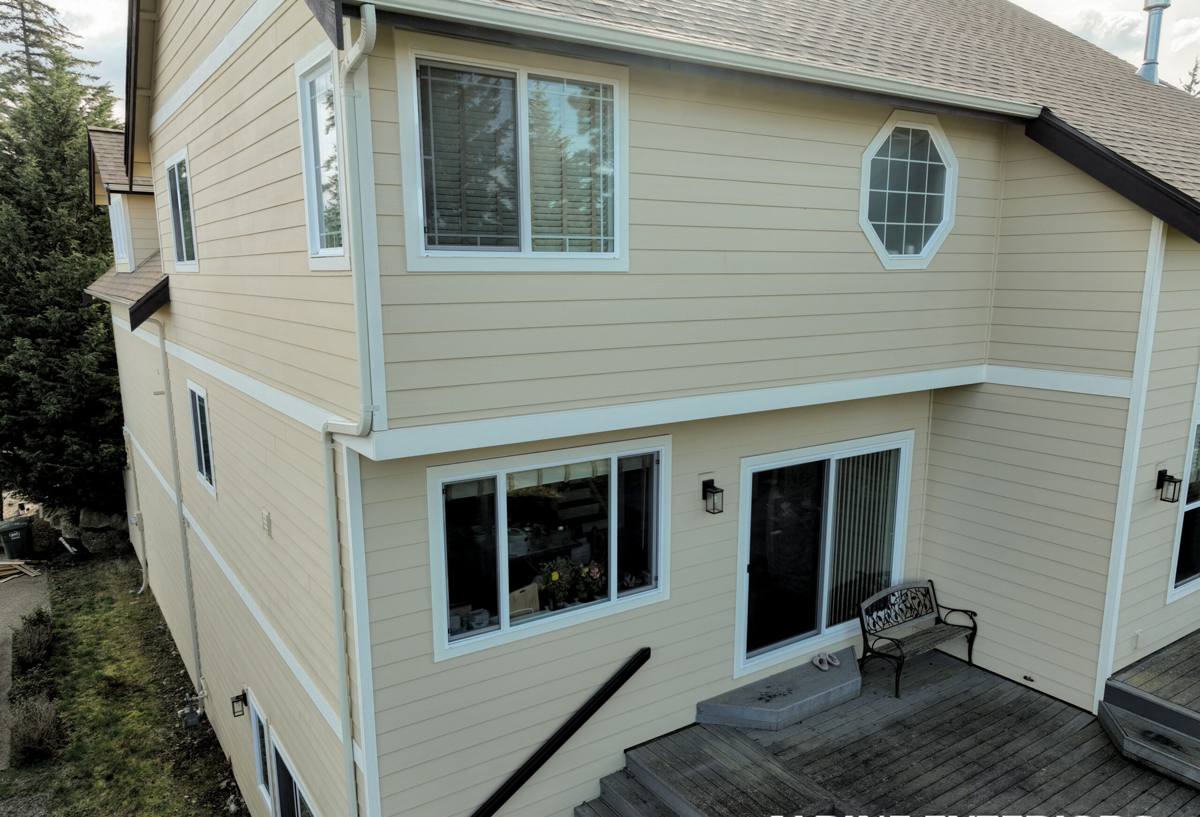
Why Decks in The Meadows Wear Out Faster Than Homeowners Expect
Several conditions specific to this area accelerate deck deterioration:
- Tree canopy and shade: The mature landscaping that gives The Meadows its character also keeps decking surfaces damp longer after rain, which speeds up wood rot, mildew growth, and coating failure.
- High humidity, low airflow: Decks tucked under tree cover or close to the ground dry out slower, which lets moisture work into joints and fastener holes over time.
- UV exposure: Sarasota's sun breaks down surface finishes and dries out wood fibers, leading to cracking, splintering, and graying even on decks that stay structurally sound.
- Wind-driven rain and storm gusts: Sideways rain gets under boards and railings that weren't detailed for drainage, and high wind loads stress connections that were only ever built to older, lighter standards.
- Salt-influenced air: Even set back from the water, coastal air corrodes standard fasteners, hinges, and hardware faster than inland climates, which is often the real point of failure on an older deck.
None of this means a deck in The Meadows can't last — it means the replacement has to account for these conditions from the framing up, not just at the surface.
Signs a Meadows Deck Needs Full Replacement, Not Another Repair
We get called out to a lot of decks where the homeowner expected a board or two to be swapped, and the scope turns out to be larger. Here's what typically separates a repair from a replacement:
- Soft, spongy, or bouncy spots when you walk across the deck — usually a sign the joists or ledger connection have lost integrity.
- Visible gaps, rust streaks, or staining around fastener heads and joist hangers.
- Railings that flex or wiggle noticeably when pushed — a structural and safety issue, not a cosmetic one.
- Rot or soft wood where the deck ledger attaches to the house, especially in shaded or poorly ventilated areas.
- Multiple prior repairs that haven't solved recurring soft spots or drainage problems.
- A deck older than 15–20 years that has never had the substructure inspected or replaced.
If more than one or two of these apply, patch repairs usually end up costing more over time than doing the replacement once, correctly.
What a Correct Deck Replacement Actually Involves
Below the Surface
The parts of a deck nobody sees are the parts that determine how long it lasts. That includes the ledger board attachment to the house (properly flashed to keep water out), footings sized and set to current code for wind and load, joists spaced and fastened correctly, and hardware rated for the moisture and salt exposure typical of this area — not standard interior-grade fasteners that corrode within a few seasons.
On the Surface
Decking material, board spacing for drainage and airflow, railing systems that meet current code height and baluster spacing requirements, and stair details all matter for both safety and longevity. Board direction and gapping also affect how well the deck sheds water after Sarasota's frequent afternoon storms.
Permits and Code
Deck replacement in Sarasota County typically requires a permit, and for good reason — the structural and railing requirements exist because decks fail in ways that aren't obvious until someone gets hurt. A legitimate contractor pulls the permit and schedules the required inspections rather than treating it as optional paperwork.
Decking Material Options: Honest Trade-Offs
There's no single "best" decking material for every home — it depends on budget, maintenance tolerance, and how the deck will be used. Here's how the common options compare for a home in this climate:
| Material | Maintenance | Typical Lifespan Here | Notes for This Climate |
|---|---|---|---|
| Pressure-treated wood | Regular sealing/staining needed | 10–15 years | Lowest upfront cost; most sensitive to humidity and UV without upkeep |
| Composite decking | Occasional cleaning, no staining | 20–25+ years | Resists moisture and fading well; quality varies by brand and board construction |
| PVC/capped polymer | Low — cleaning only | 25+ years | Best moisture resistance; higher upfront cost |
| Tropical hardwoods | Periodic oiling for color retention | 20–25 years | Naturally dense and durable, but installation-sensitive and heavier |
We'll walk through these options honestly based on your budget and how you actually use the deck — a low-maintenance material is often worth the added cost for homeowners who'd rather spend weekends off the deck than working on it.
What Drives Deck Replacement Cost
| Factor | Why It Matters |
|---|---|
| Deck size and shape | Square footage and complexity (multiple levels, curves, built-ins) directly affect labor and material |
| Substructure condition | Rotted framing or undersized footings found during demo can add scope |
| Decking material chosen | Wood, composite, and PVC vary significantly in material cost per square foot |
| Railing and stair requirements | Code-compliant railings and multiple stair sections add material and labor |
| Height and access | Elevated decks or limited yard access can increase labor time |
| Permitting and inspections | Required by Sarasota County; built into a legitimate quote, not an add-on surprise |
We provide a written estimate that breaks these factors down so you know what you're paying for, rather than a single lump number with no explanation.
Our Deck Replacement Process
- On-site assessment: We inspect the existing deck's framing, ledger connection, and footings — not just the surface — to understand what's actually driving the failure.
- Written proposal: Material options, scope, and cost factors laid out clearly, with straightforward answers to your questions before you commit to anything.
- Permitting: We handle the Sarasota County permit and inspection scheduling as part of the job, not as a separate hassle for you.
- Demolition and disposal: The old deck comes down and off your property; we check the condition of anything hidden underneath before rebuilding on it.
- Rebuild: Framing, footings, and structural connections are built to current code for wind and load, then decking, railings, and stairs go in.
- Final walkthrough and inspection: You see the finished deck and sign off before we consider the job done, and required county inspections are completed.
Why Local Experience in The Meadows Matters
A crew that regularly works in The Meadows understands the practical realities of the community — deed-restricted design standards, HOA approval steps for exterior changes, mature landscaping that affects drainage and shade around a deck, and the general layout and age of housing stock in the area. That experience shortens the back-and-forth on permitting and design approval, and it means fewer surprises once demolition starts, because we've seen what tends to be hiding under decks of this age in this neighborhood.
It also means we're not guessing at what holds up here. Sarasota's combination of humidity, UV, storm wind, and salt air is a specific, demanding environment, and a deck replacement designed for a drier or cooler climate simply won't perform the same way here over time.
Protecting Your New Deck After Replacement
Whatever material you choose, a few habits extend its life significantly:
- Rinse off leaf litter, pollen, and debris regularly, especially under tree canopy where moisture lingers.
- Check railing and stair connections annually for looseness, especially after storm season.
- Reseal wood decking on the manufacturer's recommended schedule — don't wait until it looks obviously weathered.
- Keep gutters and downspouts near the deck clear so runoff doesn't pool against framing or footings.
- Have fasteners and hardware inspected every few years, since corrosion often starts before it's visible on the surface.
If your deck in The Meadows is showing soft spots, loose railings, or just isn't holding up the way it should, we're happy to take a look and give you a straight answer about whether it needs repair or replacement. Reach out for a free, no-pressure estimate — use the form below to get started.