 Sarasota Window
 Roof Repair Built for The Meadows' Conditions
The Meadows sits inland from the barrier islands, but that doesn't spare it from what Sarasota County's climate does to a roof. Homes here still take the full brunt of hurricane-season wind gusts, months of intense subtropical UV, and the kind of wind-driven rain that finds every weak seam, nail pop, and cracked shingle on a roof. A roof that looks fine from the driveway can be hiding real damage underneath, and by the time water shows up on a ceiling, it's usually been getting in for a while.
We repair roofs for homeowners throughout The Meadows and the surrounding Sarasota area, and we've learned that a roof repair here has to account for more than just patching the visible problem. It has to hold up to the next storm, the next stretch of 95-degree afternoons, and the salt-tinged air that moves in off the Gulf. That's the standard we work to on every repair, not just the ones that happen to be visible from the street.
Why Roofs in This Area Wear Down Faster Than People Expect
Florida roofs age differently than roofs in milder climates, and The Meadows is no exception. A few things stack up over time:
- UV breakdown: Year-round sun exposure dries out shingle asphalt and breaks down sealants faster than manufacturers' national warranty numbers usually assume.
- Wind-driven rain: Rain that comes in sideways during storms can work its way under shingles, flashing, and ridge caps that would keep out a straight-down rain just fine.
- Hurricane and tropical-storm wind loads: Even roofs that survive a storm intact can come away with lifted shingle edges, loosened fasteners, and stressed flashing that won't show a leak until the next heavy rain.
- Salt air: Airborne salt content accelerates corrosion on exposed metal fasteners, flashing, and vent boots, which is a slower but steady contributor to roof failures across the region.
- Afternoon thunderstorm cycles: The daily summer pattern of intense heat followed by heavy rain puts materials through repeated expansion and contraction, which is hard on seams and sealants.
None of this means a roof is destined to fail early. It means repairs and maintenance decisions need to be made with these conditions in mind, not treated the same way they'd be treated on a roof in a drier, calmer climate.
Common Roof Repair Needs We See in The Meadows
Storm and Wind Damage
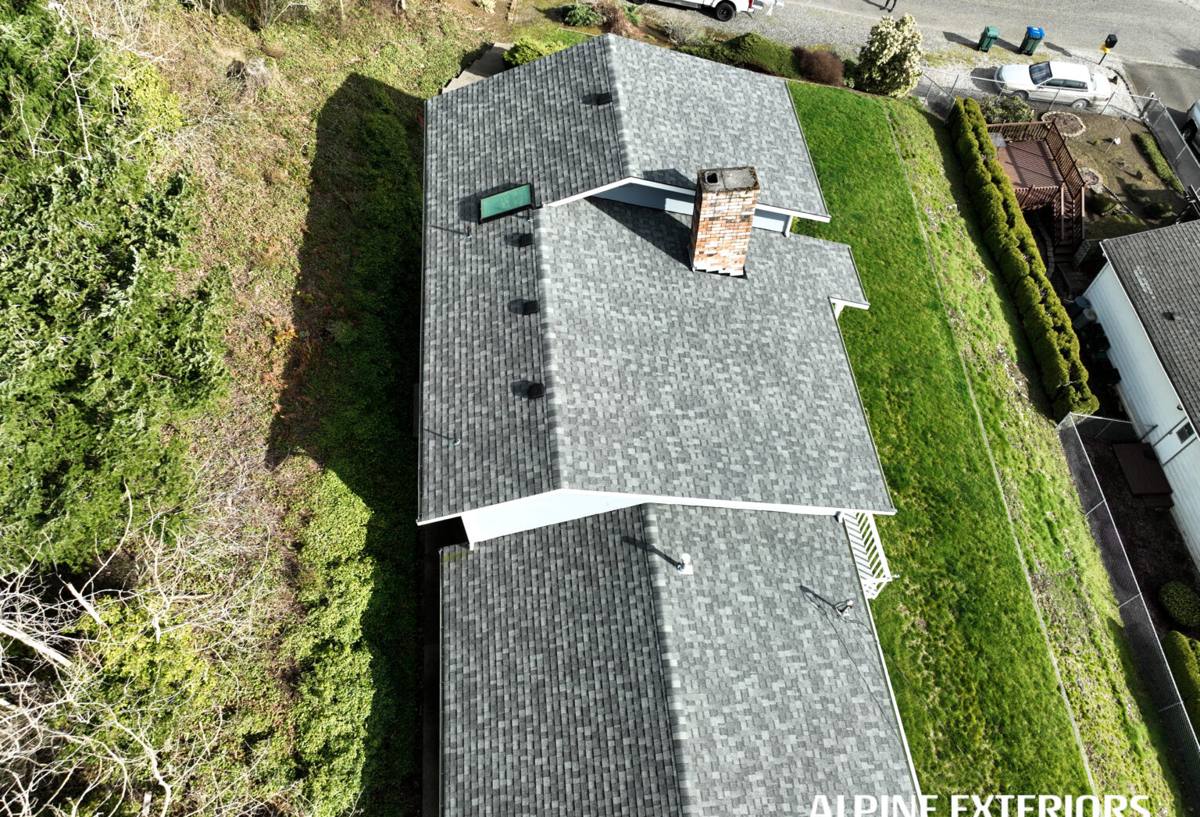
After a tropical storm or a hard summer squall, the most common calls we get involve lifted or missing shingles, damaged ridge caps, and flashing that's been pried loose around chimneys, skylights, or wall transitions. Some of this is obvious. Some of it isn't visible from the ground and only turns up on a closer inspection.
Active Leaks
Ceiling stains, damp attic insulation, or a musty smell in an upper room are usually the first signs a homeowner notices. By that point, water has typically been finding its way in for a while, often through a small, specific failure point rather than a widespread problem.
Flashing Failures
Flashing around chimneys, vent pipes, skylights, and roof-to-wall junctions is one of the most common leak sources on any roof, and it's especially common here because of the freeze-thaw-free but heat-cycle-heavy climate that stresses sealant and metal fasteners differently than it would up north.
Worn or Failing Sealant and Boots
Rubber vent pipe boots and sealant joints have a shorter service life under intense Florida UV than most homeowners expect. A boot that's cracked or a sealant bead that's shrunk away from the surface it was applied to is a small fix if caught early, and a much bigger one if it's left through another rainy season.
Granule Loss and Surface Wear
Heavy UV exposure and storm-driven rain gradually strip protective granules off asphalt shingles. Isolated granule loss around a repair area is normal wear; heavy, widespread loss is usually a sign the roofing is nearing the end of its useful life rather than something a spot repair alone should be expected to fix.
What a Correct Roof Repair Actually Involves
A roof repair done right isn't just sealing over what's visible. It starts with figuring out the real source of the problem, which isn't always where the water is showing up. Water can travel along rafters or decking before it drips down at a stained spot, so an honest repair starts with tracing the path, not just patching the symptom.
From there, a proper repair means:
- Removing and replacing damaged shingles, decking, or underlayment rather than layering new material over compromised material
- Re-flashing problem areas with materials and techniques suited to the specific type of penetration or transition
- Matching shingle color and profile as closely as possible so a repair doesn't stand out
- Checking surrounding areas for related wear, since one failure point often signals others nearby are close behind
- Confirming the repair area sheds water correctly rather than just looking sealed
We also give homeowners an honest read on whether a repair is the right call or whether a section of roof (or the whole roof) is past the point where repair makes long-term sense. Not every roof problem needs a full replacement, and not every leak can be permanently solved with a patch. Part of doing this work honestly is telling you which situation you're actually in.
Repair vs. Replacement: How We Help You Decide
| Factor | Leans Toward Repair | Leans Toward Replacement |
|---|---|---|
| Roof age | Well within expected service life | At or beyond typical lifespan for the material |
| Damage extent | Isolated to one area or penetration | Spread across multiple sections |
| Granule loss | Localized, minor | Widespread, shingles look bare in patches |
| Underlying decking | Solid, no rot or soft spots | Soft, spongy, or visibly deteriorated |
| Storm history | Single recent event, otherwise sound | Repeated storm exposure over many seasons |
| Prior repairs | First or second repair on this roof | Long history of recurring patch jobs |
These are general guidelines, not a formula. Every roof is different, and the only way to know for sure is a hands-on look at your specific situation.
Our Process for The Meadows Homeowners
We keep the process straightforward because homeowners dealing with a roof problem usually just want clear answers, not a sales pitch.
- Inspection: We look at the roof from top to bottom, not just the spot you called about, since related wear often exists nearby.
- Explanation: We walk you through what we found, what's causing it, and what your realistic options are, including cost ranges and trade-offs.
- Repair plan: We scope the work needed to fix the actual problem correctly, not just cover it up.
- The work: We complete the repair using materials suited to Gulf Coast conditions and clean up the work area when we're done.
- Follow-up: We're available if questions come up after the next hard rain or storm, which is the real test of any roof repair.
What to Check Before You Call
A little bit of homeowner observation can help speed up diagnosis and give us useful information before we even arrive:
- Note where in the room a ceiling stain or drip appears, and whether it changes size or location during a storm
- Check the attic (safely) for damp insulation, staining on the underside of the roof decking, or daylight coming through anywhere it shouldn't
- Look at gutters and downspouts for granules collecting after a rain, which can be a sign of shingle wear
- Note the approximate age of the roof if you know it, or when it was last worked on
- After a storm, look (from the ground, not on a ladder) for obviously missing or lifted shingles
None of this replaces a proper inspection, but it helps us understand what's going on before we're standing on the roof.
Why Local Experience with The Meadows Matters
Roofing materials and installation methods that work fine in other parts of the country don't always hold up the same way under Sarasota County's combination of heat, humidity, wind, and salt air. A crew that regularly works in and around The Meadows already knows what tends to fail first on homes in this area, what the local permitting and inspection process looks like, and how to size a repair so it actually lasts through the next storm season rather than needing a redo in a year.
That local familiarity also means faster, more accurate diagnosis. We're not guessing at how a roof in this climate behaves, we're working from what we consistently see on homes with the same sun exposure, the same storm patterns, and often similar roofing materials and ages.
Maintenance That Extends the Life of a Repair
A roof repair lasts longer when it's not the only thing being done to protect the roof. A few habits go a long way in this climate:
- Keep gutters and downspouts clear so water isn't backing up under the roof edge during heavy rain
- Trim back overhanging branches that can drop debris or scrape shingles during high winds
- Have the roof looked at after any significant storm, even if nothing looks obviously wrong
- Address small issues, like a lifted shingle or a cracked pipe boot, before the next rainy season rather than after
Repairs done under these conditions hold up best when they're part of an ongoing relationship with the roof, not a one-time fix and forget.
Get a Straightforward Estimate
If you're dealing with a leak, storm damage, or a roof that just needs a second opinion, we're happy to take a look and give you an honest assessment, no pressure and no obligation. Fill out the form below to request a free estimate for your home in The Meadows.