 Sarasota Window
 Siding Repair Built for University Park's Climate
University Park homes sit in one of the more demanding stretches of weather in Sarasota County. Between hurricane-force wind events, intense year-round UV exposure, wind-driven rain that finds every gap in a siding system, and salt-laden air drifting in off the Gulf, exterior cladding here ages faster than it does almost anywhere else in the country. A siding repair that would hold up fine in a milder climate can fail within a season on the Suncoast if it isn't done correctly. That's the standard we hold every repair to: not just "patched," but built to actually survive another decade of Sarasota weather.
Siding repair is different work from new installation. You're matching into existing material, working around trim and flashing that's already in place, and often uncovering damage that goes deeper than what's visible from the ground. Done right, a repair restores both the protective envelope and the appearance of the home. Done wrong, it just delays a bigger problem — and in this climate, that delay is usually short.
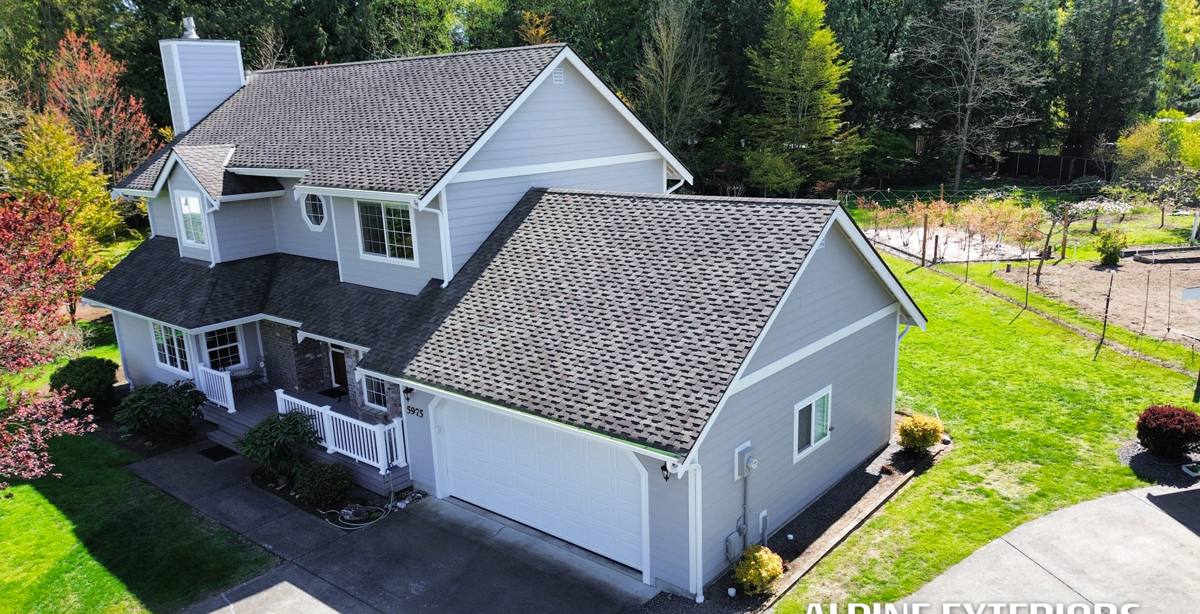
Common Siding Problems We See on University Park Homes
Every material fails differently, but a handful of issues show up again and again on siding repair calls in this area:
- Wind-driven rain intrusion — water pushed sideways during storms works behind panels, around window and door trim, and into seams that weren't sealed or flashed correctly the first time.
- UV degradation — constant sun bleaches paint, breaks down caulk and sealants, and causes some materials to chalk, crack, or become brittle over time.
- Panel and seam separation — sustained high winds and gusts can loosen fasteners or pull panels away from the wall, especially on corners and gable ends where wind load is highest.
- Moisture damage behind the cladding — hidden rot, mold, or a soft substrate underneath siding that looked fine from the outside.
- Salt air corrosion — fasteners, flashing, and trim hardware corrode faster this close to the coast, which can loosen siding even when the panels themselves look intact.
- Impact damage — cracked or dented sections from storm debris, lawn equipment, or falling branches.
Homes in University Park often have a mix of open, sun-exposed elevations and shaded, tree-lined sides near landscaping and mature canopy — which means UV damage and moisture damage frequently show up on opposite sides of the same house. A proper repair inspection checks both conditions, not just the wall that looks the worst.
What a Correct Siding Repair Actually Involves
A siding repair is only as good as what happens underneath it. Cutting out a damaged section and nailing up a replacement piece is the easy part — the work that actually determines whether the repair lasts is everything you don't see once it's finished.
Diagnosis before demolition
Before any material comes off the wall, the damaged area and the surrounding field need to be checked for the underlying cause. Is this isolated impact damage, or is it a symptom of a flashing failure that's been letting water in for months? Repairing the visible damage without addressing the cause just means calling someone back out in a year.
Checking what's behind the siding
Once panels are pulled, the house wrap, sheathing, and framing underneath get inspected. In a humid, storm-prone climate like Sarasota's, water intrusion behind siding can sit unnoticed for a long time before it becomes a structural or mold issue. Any compromised wrap or sheathing needs to be corrected before new siding goes back on — otherwise the repair is cosmetic, not functional.
Flashing and water management
Most siding failures in this region trace back to flashing — around windows, doors, roof-to-wall transitions, and penetrations for hose bibs, vents, and fixtures. A repair that skips re-flashing a compromised area is a repair that's likely to fail again in the next heavy rain event.
Fastening for wind load
University Park sits in a wind zone where fastener spacing and type matter. Repairs need to match the wind-load fastening requirements for the area, not just "however many nails looked right" — under-fastened siding is one of the most common causes of repeat wind damage.
Matching finish and profile
A repair that functions well but looks obviously patched is still a bad outcome for the homeowner. Matching plank width, reveal, texture, and color as closely as possible is part of doing the job correctly, especially on street-facing elevations.
Repair or Replace? How We Make That Call
Not every siding problem needs a full re-side, and not every repair is worth doing. Part of an honest inspection is telling a homeowner when a targeted repair makes sense versus when it's throwing money at a system that's past the point of reliable repair.
| Situation | Usually a repair | Usually points to replacement |
|---|---|---|
| Isolated impact damage (one or two panels) | Yes | No |
| Localized flashing failure at one window or transition | Yes | No |
| Widespread moisture damage behind multiple wall sections | No | Yes |
| Siding material is at or past its expected service life | No | Yes |
| Repeated repairs to the same area over several years | No | Yes |
| Cosmetic fading or chalking with sound substrate | Sometimes (repaint/reseal) | No |
The honest answer, more often than a homeowner expects, is that a well-timed repair is the right call — there's no reason to replace an entire elevation over a damaged section if the rest of the wall is sound. But we'll also tell you plainly when a repair is a short-term patch on a system that's genuinely done, because that's the only way an estimate is actually useful to you.
Why the Siding Material Changes the Repair
What the home is currently clad in has a direct effect on how a repair goes — and on how long it'll last once it's finished.
| Material | Repair complexity | Moisture risk | Color match on repair |
|---|---|---|---|
| Vinyl | Low, but brittle in sun and can crack on removal | Moderate — moisture often travels behind panels unnoticed | Fades unevenly, hard to match older sections |
| Wood / cedar | Labor-intensive, needs ongoing sealing/painting | High — rot is common in Florida humidity | Achievable but requires refinishing the field |
| OSB-based lap siding (e.g. LP SmartSide) | Moderate — swelling at damaged edges is common | High if the substrate has absorbed moisture | Reasonable if factory finish hasn't faded much |
| James Hardie fiber cement | Moderate, but material is dimensionally stable | Low — won't rot or swell from moisture exposure | Strong — ColorPlus finish holds color consistently |
We repair the siding that's already on the house, whatever it is — that's a service call, and we do it right regardless of brand. But when a repair reveals a bigger underlying problem, or when a homeowner asks what we'd put on our own home in this climate, we're straightforward about it: we only install James Hardie fiber cement. It's non-combustible, engineered for humid, storm-prone climates, and holds its factory-applied ColorPlus finish far better under constant Gulf Coast sun than the alternatives. We're not going to tell a homeowner their existing siding is worthless just to sell a replacement — but we're also not going to install a product on a University Park home that we don't believe will hold up here.
Our Siding Repair Process
- Inspection and diagnosis. We look at the damaged area and the surrounding field, check for underlying moisture or flashing issues, and identify the actual cause, not just the visible symptom.
- Honest scope and estimate. You get a clear explanation of what needs to happen, why, and what it costs — including whether repair or a larger fix makes more sense.
- Careful removal. Damaged material comes off without unnecessary disturbance to sound siding around it.
- Substrate correction. Any compromised wrap, sheathing, or flashing found underneath gets addressed before new material goes back on.
- Repair and refastening. New material is installed to proper fastening and wind-load standards for this area, with attention to matching profile and finish.
- Final check. We walk the repair with you before calling it done, and point out anything nearby worth keeping an eye on.
Why a Crew That Already Works University Park Matters
Siding repair isn't generic work — the right approach depends on wind exposure, sun orientation, tree cover, and how a specific neighborhood's homes were originally built and clad. A crew that already does repair work in University Park has a working sense of which elevations tend to take the worst wind-driven rain, which flashing details commonly fail on homes of a certain age or build style in this part of Sarasota County, and how salt air and humidity behave differently a few miles inland versus closer to the coast. That local pattern recognition speeds up diagnosis and helps avoid repairs that address the symptom but miss the actual cause.
It also means someone who understands the realities of scheduling around Florida's storm season, permitting expectations in Sarasota County, and working respectfully on occupied homes in an established community — not a crew learning the area on your dime.
Signs Your University Park Home May Need a Siding Repair Inspection
- Visible cracks, gaps, or missing sections of siding after a storm
- Panels that appear loose, bowed, or separated from the wall
- Soft or spongy spots when pressing gently on the siding surface
- Staining, streaking, or discoloration that doesn't wash off
- Peeling or bubbling paint, especially near seams and trim
- Musty odors near exterior walls inside the home
- Visible daylight or drafts around window and door trim
- Repeated damage to the same section of wall over multiple seasons
Any one of these on its own doesn't necessarily mean a major problem — but ignoring them in a climate that includes hurricane-force wind, constant UV, and wind-driven rain tends to turn a small repair into a much larger one.
Get an Honest Look at Your Siding
If your University Park home has storm damage, aging siding, or spots that just don't look right anymore, we're glad to come take a look. We'll give you a straight answer on what's actually going on, what it'll take to fix it correctly, and whether a repair or something bigger makes sense — no pressure, no upsell. Reach out for a free estimate using the form below.