 Sarasota Window
 Storm Damage Roof Repair Built for Venice, Florida
Venice sits right where Sarasota County meets the Gulf of Mexico, and that location comes with a trade-off. The same water views that make the area desirable also mean every roof in town takes a beating from wind, rain, and salt air that inland Florida homes simply don't deal with. When a storm rolls through — whether it's a fast-moving summer thunderstorm or a tropical system with sustained hurricane-force winds — the damage isn't always obvious from the ground. That's where a lot of homeowners get into trouble: a roof can look fine from the driveway and still be compromised underneath.
This page is about one thing: what it actually takes to properly repair storm-damaged roofs on Venice homes, and why the details matter more here than they would somewhere with a milder climate.
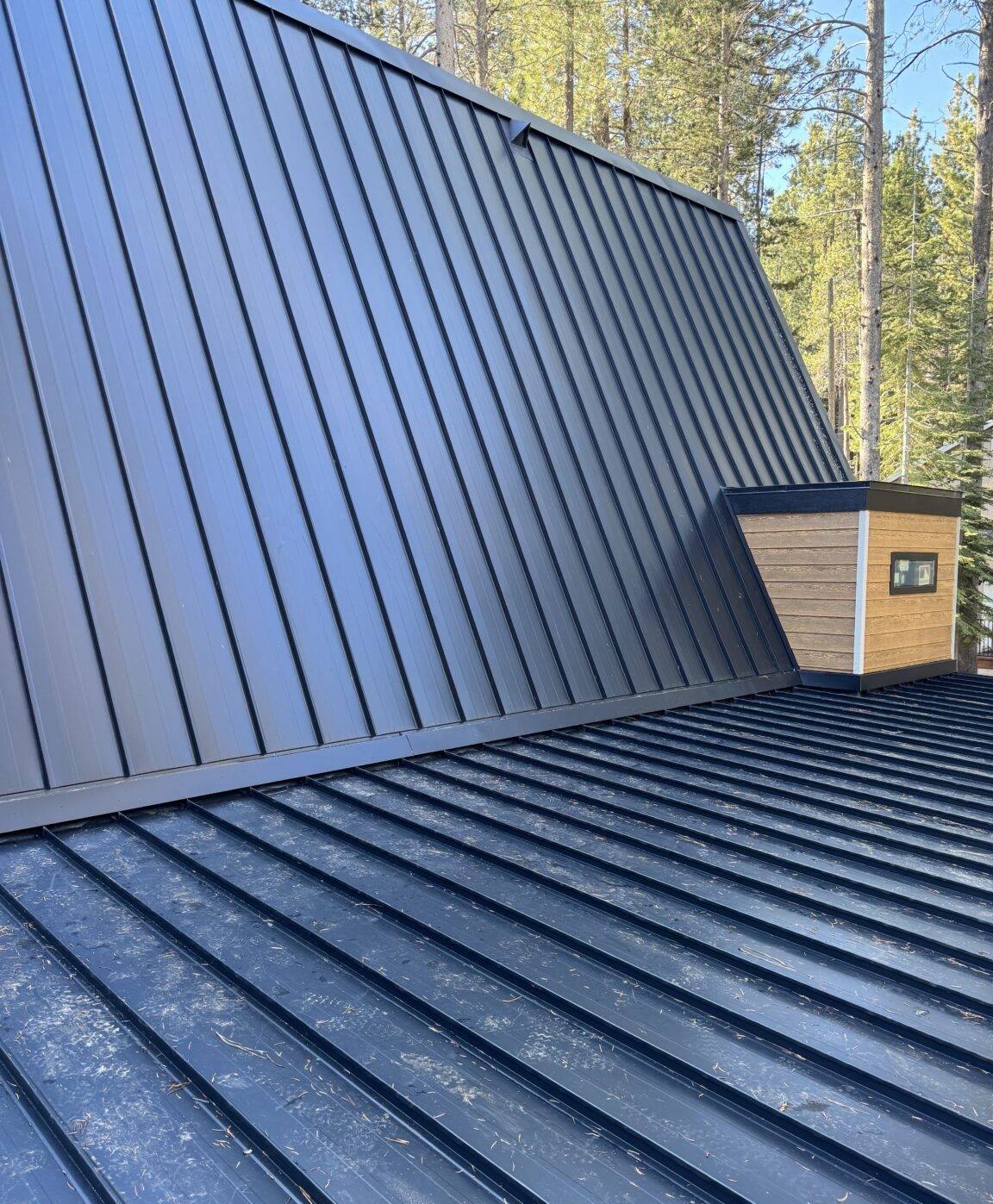
What Venice's Climate Actually Does to a Roof
It helps to understand the specific forces at work, because they don't all damage a roof the same way.
Wind
Sarasota County sees straight-line thunderstorm gusts most of the year and the real possibility of hurricane-force winds during storm season. Wind doesn't just push down on a roof — it creates uplift at edges, ridges, and corners, which is exactly where shingles, tiles, and flashing first start to lift and separate. Once one section lets go, the wind gets underneath the next one, and damage spreads fast.
Wind-Driven Rain
A roof doesn't have to lose shingles to leak. Wind-driven rain gets pushed sideways and upward under shingle tabs, around vents, and through any gap in flashing that would never leak in a normal vertical rainstorm. This is one of the most common reasons Venice homeowners get a water stain on a ceiling weeks after a storm has passed — the entry point was never a missing shingle, it was a small gap that only leaks under wind pressure.
Year-Round UV Exposure
Florida sun is intense and constant. UV breaks down the asphalt oils in shingles and the sealants around flashing and penetrations well before a roof reaches the end of its rated life. A roof that's already UV-brittle goes into a storm weaker than the same roof would be in a cooler climate, and it's far more likely to crack or shatter under wind and impact rather than flex.
Salt Air
Venice's proximity to the Gulf means airborne salt reaches roofs well beyond the immediate waterfront. Salt accelerates corrosion on metal flashing, fasteners, vent stacks, and any exposed metal roofing components. Corroded fasteners lose their grip long before they look obviously rusted, which is one reason older Venice roofs can suffer more storm damage than their age alone would suggest.
Signs Your Roof Has Storm Damage
Some damage is obvious. A lot of it isn't. After any significant wind or rain event, it's worth checking for the following before assuming everything is fine:
- Missing, cracked, curled, or lifted shingles, especially along ridges, edges, and valleys
- Granules collecting in gutters or at downspout outlets
- Dented or creased metal flashing, vent caps, or ridge caps
- Soft spots or sagging when walking the attic (never the roof surface itself)
- New water stains, discoloration, or peeling paint on ceilings or upper walls
- Daylight visible through the roof deck from inside the attic
- Debris impact marks — bruising or punctures from branches or wind-blown material
- Loose or lifted flashing around chimneys, skylights, and roof penetrations
If you see any of these, or even suspect them after a storm, it's worth getting an inspection before the next rain, not after.
What a Correct Storm Damage Repair Actually Involves
A lot of storm repair work in coastal Florida gets done as a surface fix — replace the shingles you can see, caulk what looks loose, call it done. That approach tends to fail again in the next storm because it doesn't address what's underneath. A repair done right includes:
Deck Inspection
Before any new material goes down, the roof deck underneath needs to be checked for water intrusion, soft spots, or rot. Replacing shingles over a compromised deck just hides the problem until it reappears as an interior leak.
Underlayment Assessment
The underlayment is the actual waterproof layer beneath the shingles or tile. If it was compromised by wind-driven rain, patching the visible surface layer without addressing the underlayment leaves the home exposed the next time wind pushes water sideways.
Flashing and Penetration Repair
Flashing around chimneys, vents, skylights, and roof-to-wall transitions is where the majority of leaks originate after a storm — far more often than in the open field of the roof. Correct repair means resealing or replacing flashing, not just the shingles nearby.
Matching Materials and Fastening Method
Repairs should use materials rated for the same or better wind performance as the rest of the roof, fastened according to current wind-zone requirements — not just whatever matches the old shingles' color.
Our Process for Venice Storm Repairs
- Inspection and documentation. We check the full roof system — surface, flashing, penetrations, and attic — and document what we find with photos, which also supports any insurance claim.
- Emergency mitigation if needed. If there's active exposure, we can get a roof tarped or temporarily sealed to stop further water intrusion while a full repair is scheduled.
- Honest scope of work. We tell you plainly whether the damage calls for a targeted repair or whether enough of the roof is compromised that repair isn't the more sensible long-term option.
- Repair using wind-rated materials and correct fastening appropriate for Sarasota County's wind requirements — not shortcuts that leave the same vulnerability in place.
- Final walkthrough and cleanup, including a check of gutters and the ground for stray fasteners or debris.
Repair or Replace? How to Think About It
Not every storm-damaged roof needs to come off. But when damage is widespread, patchwork repairs can cost more over time than doing the job right once. Here's a general framework:
| Situation | Repair Usually Makes Sense | Replacement Worth Considering |
|---|---|---|
| Extent of damage | Isolated to one section or slope | Spread across multiple slopes or the whole roof |
| Roof age | Well within its expected service life | Already near or past typical lifespan |
| Deck condition | Solid, dry, no rot found | Soft spots, rot, or repeated past leaks |
| Underlayment condition | Intact apart from the storm-affected area | Brittle, cracked, or failing in multiple spots |
| Insurance situation | Claim covers targeted repair scope | Adjuster scope or damage extent supports full replacement |
We'll walk you through where your roof actually falls on this spectrum rather than defaulting to the most expensive answer.
Working With Insurance After a Storm
Most Venice homeowners dealing with storm damage are going through an insurance claim, and the process goes smoother when the documentation is solid from the start. We provide detailed photos and a written scope of damage that adjusters can work from, and we're available to walk the roof with an adjuster if that's helpful. We won't inflate a scope of work to chase a bigger payout, and we won't undersell damage to make a quicker sale — the goal is an accurate picture so the repair actually gets covered and actually gets done right.
Cost Factors for Storm Damage Roof Repair
Repair costs vary based on several factors, and it's worth understanding them before you get quotes so you can compare them meaningfully:
| Factor | Why It Affects Cost |
|---|---|
| Size of damaged area | More square footage means more material and labor |
| Roof pitch and access | Steeper or harder-to-access roofs take longer and require more safety setup |
| Material type | Asphalt shingle, tile, and metal repairs each require different labor and material costs |
| Deck or underlayment repair needed | Any decking replacement adds material and labor beyond the surface layer |
| Flashing and penetration count | More chimneys, vents, and skylights mean more detail work |
| Matching existing materials | Older or discontinued shingle lines can be harder to match, sometimes requiring a broader repair area |
Get an honest, itemized estimate rather than a flat number with no breakdown — it's the only way to know what you're actually paying for.
Why a Crew That Already Works in Venice Matters
Roofing crews unfamiliar with Gulf-coast conditions sometimes apply repair standards suited to a milder climate — lighter fastening schedules, underlayment not rated for the humidity and UV load here, or flashing details that work fine inland but fail under Sarasota County's wind-driven rain. A crew that regularly works Venice roofs already accounts for salt exposure, local wind-zone requirements, and the mix of older and newer construction common in the area, from mid-century homes to newer builds closer to the coast. That familiarity shows up in fewer callbacks and repairs that actually hold through the next storm season, not just until the next dry spell ends.
Get a Straight Answer About Your Roof
If your roof took a hit in the last storm — or you're just not sure whether what you're seeing is normal wear or real damage — we're glad to take a look. We'll give you a clear, honest read on what's going on and what it would take to fix it right, with no pressure to do more than the roof actually needs. Use the form below to request a free estimate.