 Sarasota Window
 Window Installation in Ellenton
Ellenton sits at the north end of Sarasota County's window-replacement territory, close enough to the Manatee River and the Gulf that the same climate demands apply as anywhere else along this stretch of coast. Homes here run the gamut from older single-story ranch houses with original single-pane aluminum windows to newer construction that already has impact glass but was installed cheaply during a builder push. Either way, the window itself is only half the job. The installation — how the window is flashed, sealed, and anchored into the rough opening — is what determines whether it holds up through a Florida summer and a Florida storm season, or starts failing in year three.
We install windows throughout Sarasota County, and Ellenton gets the same process, same materials, and same attention to code compliance as every other job on our schedule. There's no "lite" version of hurricane-zone installation.
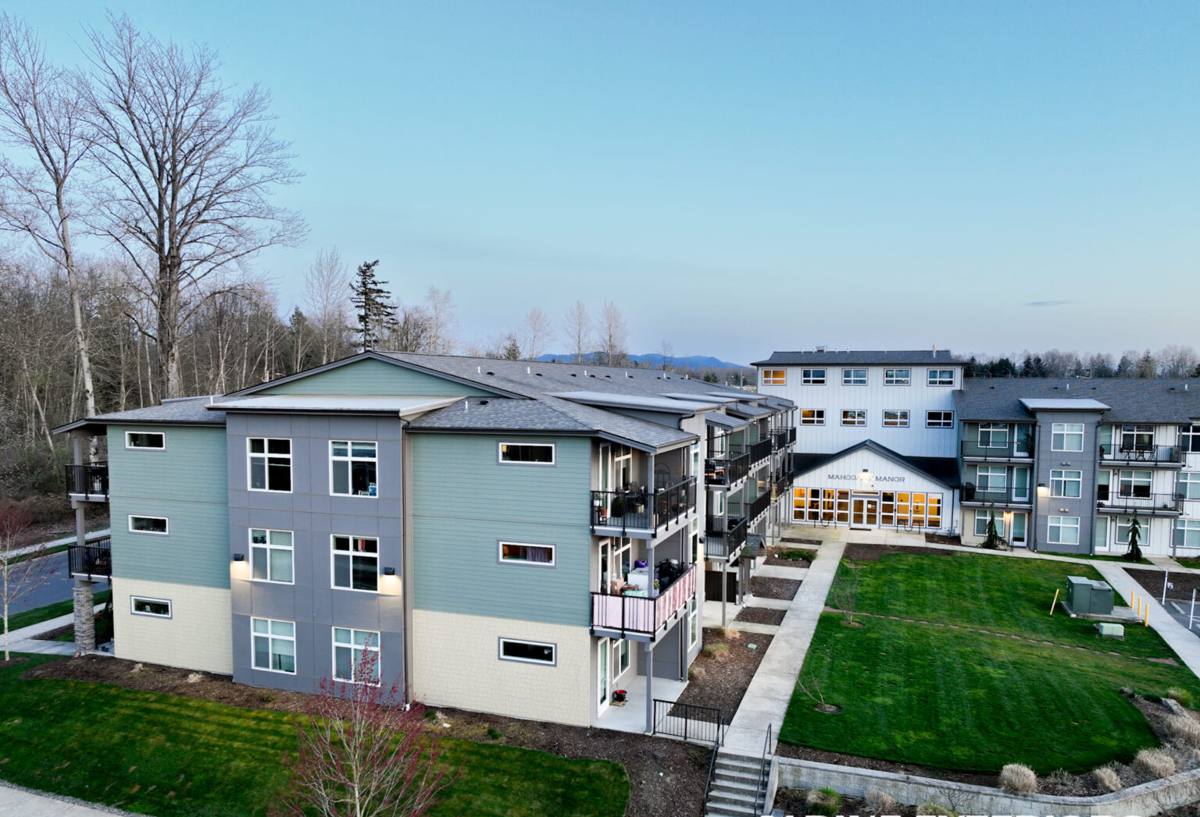
What Ellenton's Climate Does to a Window Over Time
This part of Florida doesn't give a window an easy life. A few things stack up specifically here:
- Hurricane-force wind loads: Manatee and Sarasota Counties fall under Florida's High-Velocity Hurricane Zone building requirements in many jurisdictions, or close to it — meaning windows and their installation have to meet real wind-pressure and impact standards, not just look the part.
- Year-round UV exposure: Constant sun breaks down vinyl frames, dries out old glazing compounds, and fades interior finishes faster than in most of the country.
- Wind-driven rain: Storms here don't just fall straight down — rain gets pushed sideways into any gap in the flashing or sealant, which is why so many "leaky window" calls turn out to be an installation problem, not a product defect.
- Salt air: Even a few miles inland from the coast, salt in the air accelerates corrosion on hardware, screws, and metal reinforcement inside window frames.
None of that is unique to Ellenton, but it's the reality every window in this neighborhood has to be installed to withstand.
What a Correct Installation Actually Involves
A window installation done right isn't just "pull the old one out, set the new one in, caulk the edges." That approach is how you end up with rot inside the wall cavity two years later, even if the window itself looks fine from the street. Here's what we actually do:
1. Opening Inspection and Prep
Before anything goes in, we check the rough opening for water damage, wood rot, or settling around the frame. In older Ellenton homes, this step catches problems that started long before we ever showed up — soft sill plates, old caulk failures, evidence of past leaks. We address those issues before the new window goes in, not after.
2. Flashing and Water Management
This is the step that separates a durable installation from one that fails quietly. We install flashing tape and, where applicable, a sill pan to direct any water that gets past the window back out and away from the wall framing — not down into it. Given how much wind-driven rain this area sees, skipping or shortcutting this step is the single biggest cause of hidden water damage behind exterior walls.
3. Setting and Anchoring the Window
The window has to be shimmed level, plumb, and square, then anchored per the manufacturer's installation instructions and the applicable wind-load rating for the product. In High-Velocity Hurricane Zone areas or anywhere requiring impact-rated products, the fastener spacing and anchor type aren't optional details — they're what the product approval is actually rated for. Install it wrong and the impact rating on paper doesn't mean much in an actual storm.
4. Sealing and Insulation
We seal the perimeter with the correct sealant for the substrate and insulate the gap between the window frame and the rough opening with low-expansion foam or backer rod — enough to stop air and water infiltration without bowing the frame out of square.
5. Interior and Exterior Finish
Trim, caulk lines, and hardware get finished cleanly on both sides. A good installation should be invisible from the outside and look intentional from the inside.
Impact Windows vs. Standard Windows with Shutters
One of the most common decisions Sarasota County homeowners face is whether to install impact-rated windows or stick with standard windows and rely on shutters for storm protection. Both are legitimate approaches, but they come with different trade-offs.
| Factor | Impact Windows | Standard Windows + Shutters |
|---|---|---|
| Upfront cost | Higher per window | Lower window cost, added shutter cost |
| Storm prep | None — always protected | Must deploy shutters before every storm |
| Daily UV/noise protection | Better year-round | No added benefit day to day |
| Insurance impact | Often reduces premiums | Can also qualify, depends on shutter type and rating |
| Appearance | Slightly thicker frame/glass | Standard frame, shutters visible when deployed |
We install both, and we'll walk through the honest trade-offs for your specific home rather than push whichever is more profitable for us. A lot of it comes down to budget, how the home is oriented to prevailing storm winds, and whether you want one-and-done protection or don't mind the extra step of deploying shutters.
Frame Material: What We Recommend and Why
We install vinyl and aluminum frames depending on the home and the homeowner's priorities. Vinyl handles this climate's UV exposure and salt air well when it's a quality product — it won't corrode and it's a strong insulator. Aluminum is more common in impact-rated and larger commercial-style openings because of its structural strength, but it needs a thermal break to perform well and its finish has to be rated for coastal exposure or it will corrode over time. We steer away from lower-grade composite or wood-clad frames in this specific climate zone — not because the product is bad everywhere, but because the maintenance burden of keeping a wood-core frame sealed against Gulf Coast humidity and salt air is a poor trade-off for most homeowners here. That's a standard we hold ourselves to, not a knock on any manufacturer.
Permitting and Code in Manatee and Sarasota Counties
Ellenton sits close to the Manatee/Sarasota county line, and window replacement projects typically require a permit and inspection regardless of which side of that line a property falls on. Permitted work means the installation gets checked against current wind-load and product approval requirements — this isn't paperwork for its own sake, it's the mechanism that keeps a bad installation from being buried behind drywall and trim where nobody would ever catch it. We pull permits, coordinate inspections, and handle the product approval documentation as part of the job. If a contractor offers to skip the permit "to save time," that should be a red flag, not a selling point.
Why Local Installation Experience Matters
Window installation isn't identical everywhere. A crew used to installing in a dry, low-wind climate can do everything "by the book" from a generic installation manual and still get it wrong for a coastal Florida home, because the book doesn't account for wind-driven rain intrusion or hurricane wind-load fastening schedules. A crew that regularly works Sarasota County jobs already knows:
- Which flashing details actually hold up against wind-driven rain, not just vertical rain
- The current wind-load and impact requirements for this area's permitting jurisdictions
- How older Ellenton-area home construction typically handles rough openings, so there are fewer surprises once the old window comes out
- What salt-air exposure does to hardware and fasteners over a few years, and how to spec around it
That experience shows up less in the sales pitch and more in what the wall looks like when it's opened up five years later.
A Practical Checklist Before You Hire Anyone
Whether you go with us or another contractor, these are worth confirming before signing anything:
- Are they pulling a permit for the work, and is that included in the quote?
- Is the product's impact/wind-load rating appropriate for your specific home's exposure and elevation?
- Does the written estimate specify flashing and sill pan details, or just "install window"?
- What's the warranty structure — separate manufacturer warranty on the product versus workmanship warranty on the installation?
- Do they have current licensing and insurance for work in Manatee/Sarasota County?
- Will they show you the rough opening before closing it up, especially if rot or water damage is found?
Our Process, Start to Finish
We keep the process straightforward:
- On-site assessment: We look at existing windows, rough openings, and any signs of past water intrusion before recommending anything.
- Product selection: We go over impact vs. standard options, frame materials, and glass packages based on your home's exposure and budget — no pressure toward the most expensive option.
- Written estimate: Line-itemed, including permit costs, so there are no surprise add-ons later.
- Permitting: We handle the permit application and schedule inspections through the applicable county process.
- Installation: Proper flashing, anchoring, sealing, and finish work as described above.
- Final walkthrough and inspection: We confirm the work passes inspection and walk you through the finished product.
If you're weighing a window replacement in Ellenton, we're happy to come take a look and give you a straight answer on what your home actually needs — no pressure, no inflated urgency. Fill out the form below for a free estimate.