 Sarasota Window
 Board & Batten Siding in Downtown Sarasota
Board and batten has become one of the most requested siding profiles for homes in and around Downtown Sarasota, and it's easy to see why. The vertical panel-and-strip pattern reads clean on a bungalow, sharp on a mid-century home, and modern on new infill construction — it's a look that works across the mix of architectural styles you find close to the city center. But board and batten is also a more exposed system than horizontal lap siding: more seams, more vertical joints, more surface area catching wind and rain head-on. In a coastal city like Sarasota, that means the material and the installation matter more here than almost anywhere else in the state.
This page covers what board and batten siding needs to hold up in Downtown Sarasota specifically, what a correct installation actually involves, and why we install only James Hardie fiber cement for this profile.
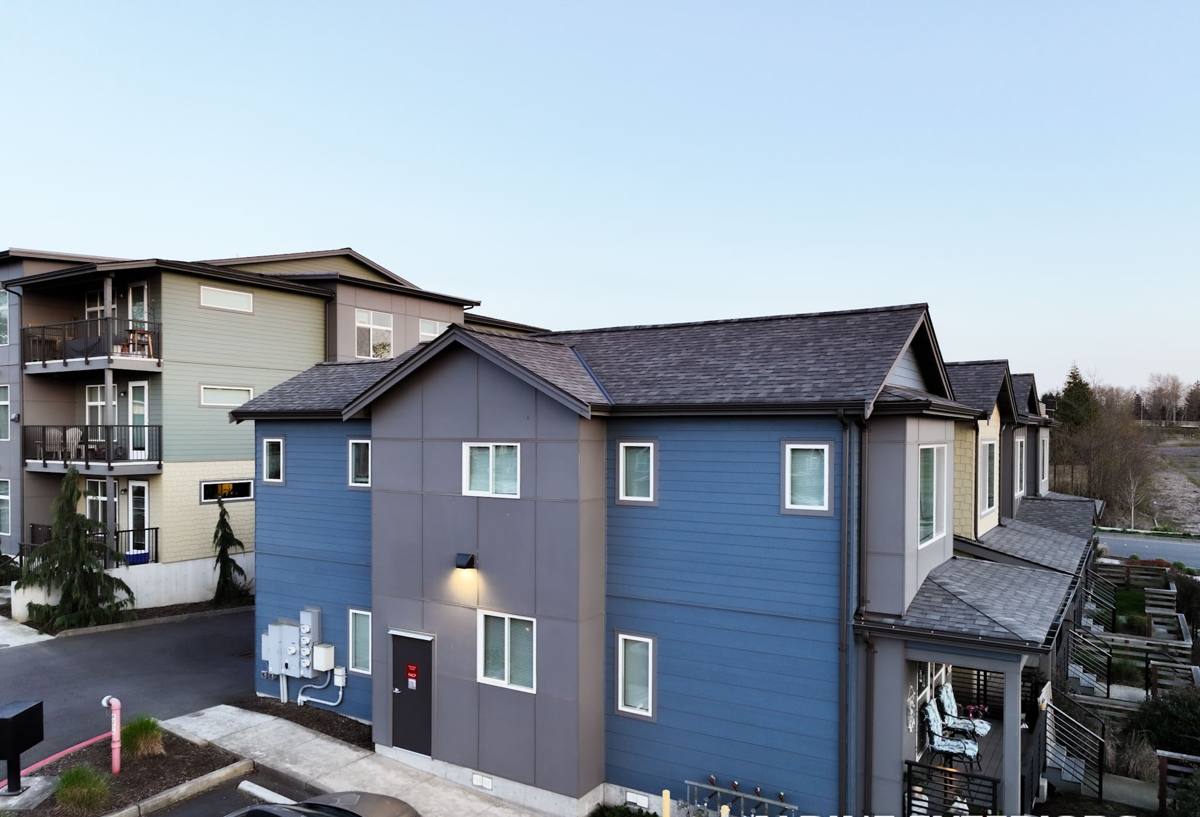
What Sarasota's Climate Actually Does to Board & Batten Siding
Sarasota County sits on the Gulf Coast, and that location drives every material decision that matters on an exterior wall.
Hurricane-Force Wind
Vertical board and batten has more fastening points and more edges than a lapped horizontal profile, and every one of those edges is a place wind can find purchase if the installation isn't done to spec. Loose battens, under-driven fasteners, or panels hung without the correct nailing pattern are exactly what gives storm winds something to grab.
Wind-Driven Rain
Rain in a coastal storm rarely falls straight down — it drives sideways into the wall. A vertical siding system has more seams for water to find, which means the water-resistive barrier, flashing, and panel gaps behind the batten strips have to be right, not approximate.
Intense, Year-Round UV
Sarasota doesn't get a real off-season for sun exposure. Field-painted wood and lower-grade siding chalk, fade, and crack faster here than in most of the country, and repainting a vertical board and batten elevation — with all its extra trim lines — is more labor-intensive than repainting flat lap siding.
Salt Air
Proximity to Sarasota Bay and the Gulf means airborne salt is a constant, low-grade corrosive on anything metal: fasteners, flashing, trim hardware. Standard fasteners degrade faster near the coast, and once a fastener corrodes, the batten it's holding starts to work loose.
The Material We Install: James Hardie Board & Batten
We install James Hardie's fiber cement board and batten system — vertical HardiePanel siding with HardieTrim boards run over the seams as battens — and we don't install vinyl, wood, or engineered wood alternatives for this profile. A few reasons that matter specifically for this climate:
- HZ5 formulation: Hardie engineers its siding by climate zone, and the HZ5 product line is formulated for humid, moisture-heavy regions like Florida's Gulf Coast — it's the correct specification for this area, not a generic national product.
- ColorPlus factory finish: the color is baked on and cured at the factory rather than field-applied, which holds up far better against constant UV than a job-site paint job, and it comes with its own finish warranty.
- Non-combustible core: fiber cement doesn't burn, warp, or feed insects the way wood-based sidings can.
- Dimensional stability: Hardie panels don't swell, cup, or split the way wood battens do when they cycle through Florida's humidity swings.
We've explained on other pages why we don't install vinyl, LP SmartSide, or unfinished wood siding — the short version for board and batten specifically is that this profile relies on tight, consistent joints and long-term dimensional stability, and that's exactly where cheaper materials tend to fail first.
What a Correct Board & Batten Installation Involves
Board and batten looks simple from the curb — vertical panels, strips over the seams — but the assembly behind that clean look is where the siding either holds up to a hurricane season or doesn't.
Behind the Panel
A code-compliant water-resistive barrier goes over the sheathing first, correctly lapped and sealed at every seam. This layer is the actual waterproofing; the siding itself is the weather shell in front of it. Skipping or shortcutting this step is the single most common cause of hidden water damage behind board and batten walls.
Flashing and Penetrations
Every window, door, vent, and wall penetration needs proper flashing integrated with the water-resistive barrier — installed in the correct shingle-lap order so water is always directed outward and down, never trapped behind the panel.
Fastening and Gaps
Hardie specifies exact fastener spacing, embedment depth, and panel gap dimensions for board and batten assemblies. Fasteners that are overdriven crack the panel edge; underdriven fasteners work loose in wind. Gaps that are too tight don't allow for expansion; gaps that are caulked solid on every seam can trap moisture instead of letting it drain. Near the coast, we use fasteners rated to resist salt-air corrosion rather than standard hardware.
Batten Consistency
Battens need consistent spacing and reveal across the whole elevation — this is what makes the finished wall look intentional instead of patched together, and inconsistent batten layout is one of the most common signs of a rushed installation.
Clearance and Terminations
Bottom starter courses need proper clearance above grade, hardscape, and roof lines so the siding never sits in standing water or gets a constant splash-back of moisture — a detail that's easy to get wrong and expensive to fix later.
How Board & Batten Materials Compare
| Factor | James Hardie Fiber Cement | Vinyl | Wood | Engineered Wood |
|---|---|---|---|---|
| Wind/impact resistance | Strong when installed to spec | Can crack or blow off in high wind | Moderate, weakens as it ages | Moderate |
| Moisture/rot resistance | Engineered for humid climates (HZ5) | Doesn't rot, but traps moisture behind it | Prone to rot without diligent upkeep | Vulnerable if edges aren't sealed |
| Salt air/corrosion behavior | Panel itself doesn't corrode | Panel is stable; trim hardware still corrodes | Fasteners and wood both degrade | Fasteners and substrate both at risk |
| UV/color retention | Factory ColorPlus finish, fade-resistant | Can fade and become brittle in intense sun | Requires repainting on a regular cycle | Requires repainting on a regular cycle |
| Maintenance burden | Low — occasional rinse and inspection | Low, but repairs are visually obvious | High — regular painting and sealing | Moderate to high |
Our Process for a Downtown Sarasota Board & Batten Project
- On-site assessment: we measure the elevations, check the condition of the existing sheathing and water-resistive barrier, and note anything specific to the home's age or construction.
- Material specification: we confirm the correct HZ5 Hardie panel profile, texture, and ColorPlus color for the project.
- Removal and substrate check: old siding comes off and we inspect the sheathing underneath for hidden moisture or damage before anything new goes up.
- Barrier and flashing: water-resistive barrier and flashing are installed at every penetration before a single panel goes on.
- Panel and batten installation: panels and battens go up to Hardie's fastening schedule and gap specifications, with corrosion-resistant fasteners.
- Trim, caulk, and finish check: terminations, corners, and any factory-finish touch-ups are completed and reviewed.
- Final walkthrough: we go over the finished elevation with you before calling the job done.
Why a Crew That Already Works Downtown Sarasota Matters
Board and batten installed to a national average standard is not the same as board and batten installed for a home a few blocks from Sarasota Bay. A crew that regularly works this area already knows the wind-load and fastening requirements that apply locally, has a working relationship with the permitting process in Sarasota County, and has seen the range of sheathing and framing conditions common in the area's older homes as well as newer construction. That local experience shows up in the details — the fastener choice for salt exposure, the flashing detail at a window that's taken wind-driven rain for years, the batten layout that respects how the house was actually built rather than a generic template.
Keeping Board & Batten Siding Performing Long-Term
A correctly installed Hardie board and batten system is low-maintenance, but "low-maintenance" isn't "no-maintenance." A short annual routine keeps it performing the way it should:
- Rinse the exterior periodically to clear salt residue, especially on elevations facing the water
- Walk the perimeter once a year and check caulking at trim and penetrations for cracking or gaps
- Keep irrigation heads and sprinklers from spraying directly on the siding — constant wetting accelerates wear at that spot
- Keep gutters and downspouts clear so wind-driven rain doesn't overflow directly onto a wall section
- Address any impact damage (lawn equipment, storm debris) promptly rather than letting a small chip sit
- Have any long-term caulking or flashing wear addressed before the next storm season, not after
If you're planning a board and batten project for a home in or near Downtown Sarasota, we're happy to take a look and walk you through what your specific home needs. The estimate is free, there's no pressure, and you'll get a straight answer about what the job actually requires — just use the form below to get started.