 Sarasota Window
 Palmer Ranch Roofs Face a Tougher Climate Than Most
Palmer Ranch sits inland from Sarasota's barrier islands, but it's still well within reach of everything the Gulf Coast throws at a roof. Hurricane-force winds test every shingle tab, tile lock, and flashing seam a roof has. Intense, near-daily UV exposure bakes roofing materials from above, while wind-driven rain finds its way under ridge caps and around vent boots during Florida's frequent storms. Add the salt air that drifts inland off Sarasota Bay and the Gulf of Mexico, and you get a combination that ages a roof faster here than in most parts of the country.
A repair that only addresses the visible symptom tends to fail again within a year or two. That's why a repair on a Palmer Ranch home has to account for wind, UV, rain, and salt exposure together — not just patch the spot where water is currently getting in.
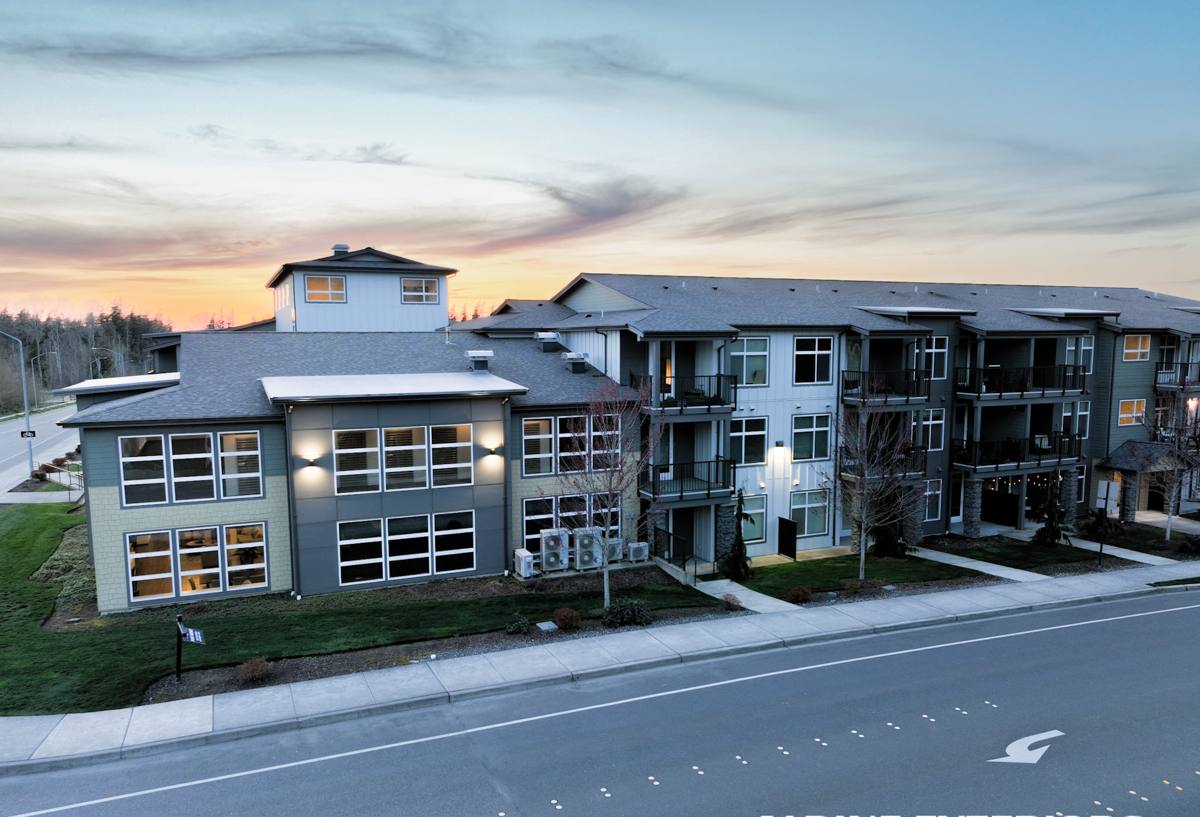
Common Roof Problems We See in Palmer Ranch Homes
Palmer Ranch is a large, established area with homes built across several decades, so the roofs we're called out to repair vary in age, material, and condition. The problems, though, tend to repeat from house to house:
- Cracked or slipped tiles from wind uplift or foot traffic during other exterior work
- Shingle blow-off or lifted tabs along ridges, hips, and roof edges, where wind pressure is highest
- Failed flashing around chimneys, skylights, and wall-to-roof transitions, letting wind-driven rain in during storms
- Deteriorated pipe boots and vent seals — rubber components that break down faster under constant Florida sun
- Soffit and fascia rot where moisture has been sitting unnoticed behind gutters or in poorly ventilated eaves
- Ponding or slow drainage on low-slope sections, particularly over lanais, garages, or additions
None of these are unusual for a Gulf Coast roof. What matters is catching them before they turn into interior water damage, which is a far more expensive problem than the roof repair itself.
Roof Types in Palmer Ranch and What Each One Needs
Because Palmer Ranch includes everything from older single-family neighborhoods to newer construction, we work on a mix of roofing systems. Each one fails differently and needs a different repair approach — using the wrong technique or material on the wrong roof type is how a repair creates a new weak point instead of fixing the old one.
| Roof Type | Typical Vulnerability Here | What a Proper Repair Involves |
|---|---|---|
| Concrete or clay tile | Cracked, slipped, or displaced tiles; brittle underlayment beneath aging tile | Matching tile profile and color, resetting or replacing broken tiles, checking underlayment condition before closing it back up |
| Architectural or 3-tab shingle | Wind-lifted tabs, granule loss from UV exposure, nail pops | Removing and replacing damaged shingles with matched material, re-sealing tabs, checking exposed nail heads |
| Low-slope or flat (lanais, garages, additions) | Ponding water, membrane seams opening, blocked drainage | Membrane patch or reseal, clearing drains and scuppers, correcting slope issues where possible |
| Metal accent or standing seam | Fasteners backing out, sealant failure at seams and penetrations | Re-fastening, re-sealing seams and penetrations with compatible materials |
Whatever the roof type, the repair has to match the existing system. Mixing incompatible materials — the wrong underlayment under tile, or a patch that doesn't match the wind rating of the surrounding field — creates a weak point that shows up in the next storm rather than solving the problem for good.
What a Correct Roof Repair Actually Involves
Water rarely enters exactly where it shows up on a ceiling. It travels along decking and underlayment before it drips somewhere inside the house. A repair that only addresses the visible leak point often leaves the real entry path untouched, which is why the same stain keeps coming back after every "fix."
What we check on every repair call
- The roofing material itself — is it cracked, lifted, missing, or just worn thin
- The underlayment beneath it, where the actual waterproofing layer lives
- Flashing at every penetration and transition: chimneys, skylights, walls, plumbing vents
- Fastener condition, since wind uplift failures usually start at the nail or screw, not the material itself
- Signs of decking damage from long-term moisture, which changes the scope of the repair
Skipping any of these steps is how a "fixed" roof leaks again during the next tropical system. A repair that checks all of them takes a little longer up front, but it's the difference between a fix that lasts and one you'll be paying for twice.
How We Handle a Repair, Start to Finish
We keep the process straightforward, because homeowners dealing with an active leak don't need extra steps between them and a fix.
- Inspection. We get on the roof — not just a look from the ground — to trace the actual source of the problem, not just the symptom.
- Diagnosis and honest scope. We tell you what's actually wrong, whether it's a contained repair or a sign of a bigger issue, and why.
- Written estimate. A clear scope of work and price before anything is touched — no surprise add-ons mid-job.
- The repair. Matched materials, proper flashing and sealing technique, and attention to how the repair ties into the surrounding roof system.
- Cleanup and walkthrough. Debris and old material removed, the work area checked, and the repair explained so you know exactly what was done and why.
HOA and Community Considerations
A lot of Palmer Ranch is made up of gated neighborhoods and communities with homeowners' association oversight, and many associations have specific requirements around roofing — approved materials, color ranges, and sometimes a timeline for completing repairs after a storm. We factor that in from the start rather than leaving you to sort it out with the association after the work is already scheduled. If your community requires documentation or approval before work begins, we can provide what's needed to keep the process moving instead of stalling it.
If the Damage Is Storm-Related
After a named storm or a significant wind event, it's worth having a roof looked at even if you don't see an active leak yet — displaced tiles, lifted shingle tabs, and compromised flashing don't always announce themselves right away. If you're planning to file an insurance claim, document what you can see from the ground with photos before any repair work starts, and get a written, itemized estimate that separates storm damage from any pre-existing wear. We'll give you a straight assessment of what's storm-related and what isn't — that distinction matters for how a claim gets handled, and we'd rather you have accurate information than a rushed guess.
Repair or Replace: How We Help You Decide
Not every roof problem calls for a full replacement, and not every leak can be permanently solved with a patch. We look at a few honest factors before recommending either direction:
| Factor | Leans Toward Repair | Leans Toward Replacement |
|---|---|---|
| Age of roof | Well within its expected service life | Nearing or past the age where materials are broadly failing, not just in one spot |
| Extent of damage | Isolated to one section, flashing point, or storm-related area | Recurring leaks in multiple areas, or new damage found on more than one repair visit |
| Underlying decking | Solid and dry beneath the surface material | Soft, delaminated, or water-stained decking found during inspection |
| Insurance situation | Repair covers the documented damage | Storm damage is extensive enough that replacement is the more cost-effective path |
Simple, contained repairs on a roof in otherwise good condition are typically a modest cost — often a few hundred to a couple thousand dollars depending on the material and scope. Repairs involving extensive flashing work, decking replacement, or hard-to-match tile can run higher. We'll never push a full replacement when a repair genuinely solves the problem — but we'll also tell you plainly if a repair is just delaying a bigger expense.
Signs Your Palmer Ranch Roof Needs Attention Now
- A brown or yellow stain spreading on an interior ceiling, especially after a rainstorm
- Visible cracked, curled, or missing shingles or tiles from the ground
- Granules collecting in gutters or at downspout outlets
- Soft or spongy spots near a roof edge or valley — leave inspection of these to a professional
- Daylight visible through attic decking or roof boards
- A musty odor in the attic or upper rooms that wasn't there before
- Sagging sections along the roofline or over a lanai
Any one of these is worth a call before the next heavy rain or storm system tests it, not after.
Why Local Experience in Palmer Ranch Matters
A crew that already works in this part of Sarasota County knows the roofing mix here, the HOA expectations, and how the local climate wears down materials over time. That experience means fewer surprises during an estimate, a repair scoped correctly the first time, and less back-and-forth getting a job approved in a deed-restricted community. It also means we're not learning Sarasota's wind and rain patterns on your roof — we already know what holds up here and what doesn't, and we build every repair around that.
If you've got a leak, storm damage, or a roof that's just showing its age in Palmer Ranch, we're glad to take a look and give you a straight answer. Use the form below to request a free, no-pressure estimate — we'll assess the roof, explain what we find, and let you decide from there.