 Sarasota Window
 Why Bradenton Homes Need Windows Built for This Coast
Bradenton sits on Florida's Gulf Coast in Manatee County, just north of Sarasota, and that location comes with a specific set of demands on a house's windows. Hurricane season brings sustained high winds and the risk of wind-borne debris. Between storms, the sun does its own kind of damage — intense, nearly year-round UV that breaks down seals, frames, and glass coatings faster than it would in a milder climate. Add in wind-driven rain that gets pushed sideways into every gap and joint, plus salt air drifting in off the water that corrodes hardware and fasteners, and you have a climate that is genuinely hard on windows. A window built for a house in Ohio is not built for a house in Bradenton, even if it looks identical on the shelf.
Custom windows address this by matching the unit — frame material, glass package, hardware, and reinforcement — to the actual opening and the actual exposure of that wall. That matters more here than in most parts of the country, and it's the reason "custom" isn't a luxury upsell on this coast; it's often the only way to get a window that will hold up.
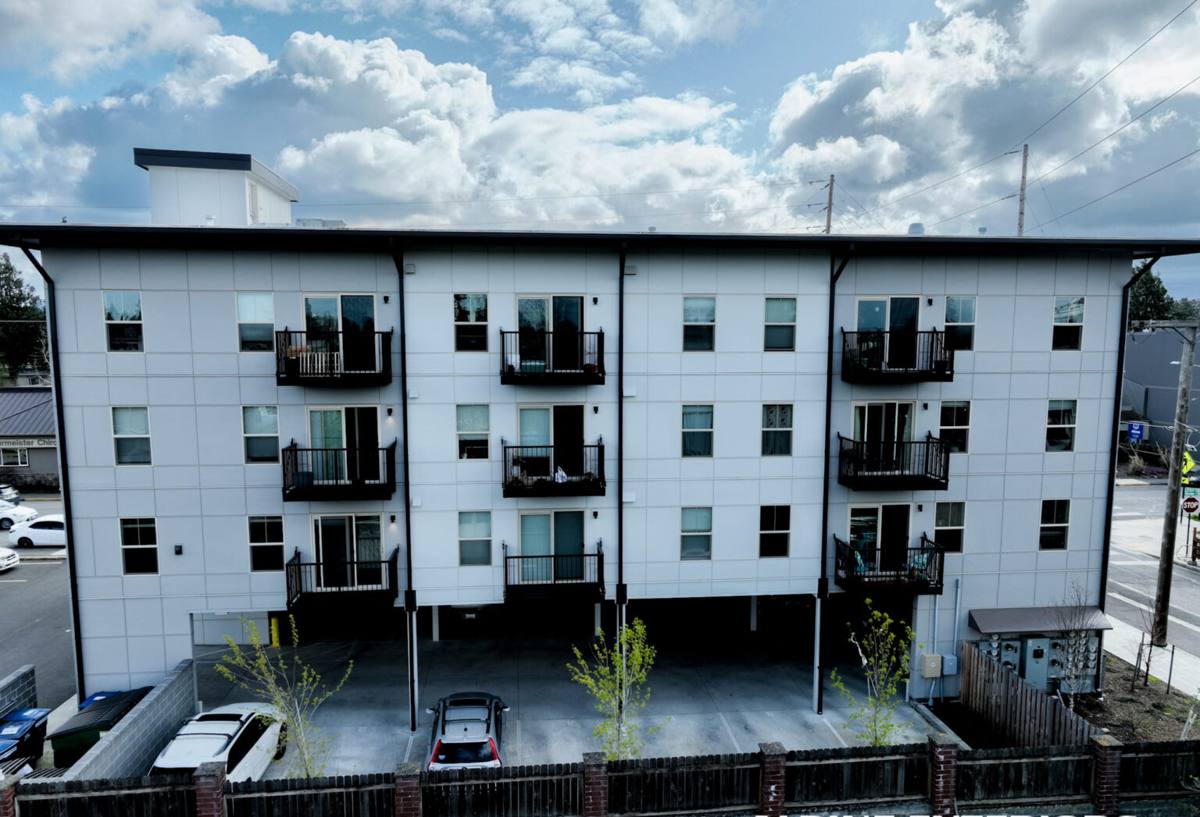
What "Custom" Actually Means for a Window
Custom doesn't just mean a nicer finish. It means the window is made to fit openings that stock sizes don't cover — common in older Bradenton homes, additions, and anything with a non-standard rough opening — and it means the specification (glass thickness, frame reinforcement, anchoring method) is chosen for that wall's wind exposure and orientation, not a generic average.
Situations where custom sizing or design is the right call
- Older or historic-style homes with openings that predate modern standard sizes
- Additions or renovated rooms where the wall opening doesn't match current manufacturer stock dimensions
- Arched, angled, or specialty-shaped openings
- Homes where you want larger glass area for a water or landscape view without oversizing beyond what the frame can safely span
- Replacing multiple windows where matching sightlines and proportions across the facade matters for curb appeal
In every one of these cases, a stock size forces a compromise — a smaller opening, an awkward infill panel, or a window that technically fits but wasn't engineered for that specific span and exposure. Custom removes that compromise.
Impact Glass, Wind Load, and Florida's Building Code
Manatee and Sarasota counties fall within Florida's Wind-Borne Debris Region under the Florida Building Code, which means new and replacement windows in most of this area need to meet specific wind-load and impact standards, not just be "hurricane-rated" in a general sense. In practice this means the glass, frame, and anchoring have to be tested and rated as a complete assembly — you can't just swap in tougher glass and call it done.
There are two accepted approaches to meeting code here:
- Impact-rated windows — laminated glass with an interlayer that holds together under impact, engineered to stay intact and in the frame even after debris strikes it. No separate shutters needed.
- Non-impact windows paired with code-approved shutters or panels — a lower upfront cost path, but it means someone has to actually deploy protection before every storm, every time, without exception.
We're upfront with homeowners about the trade-off: shutter systems save money on the window itself but shift the burden onto you during storm prep, and a missed or partial deployment leaves the opening exposed right when it matters most. Impact glass costs more up front and is protecting the house continuously, with no last-minute scramble. For most Bradenton homeowners, especially anyone who travels or isn't always around before a storm, that difference is worth weighing carefully rather than defaulting to the cheaper option.
Beyond wind: the UV and moisture side of the code
Wind rating gets the most attention, but the glass package also matters for the sun and rain problem. Low-E coatings and the right tint reduce how much UV and heat come through the glass, which slows fading of flooring and furniture and keeps cooling costs down. Proper frame sealing and flashing detail — done correctly during install, not just spec'd on paper — is what actually keeps wind-driven rain from working its way behind the frame and into the wall cavity over time.
Frame Materials: What Holds Up on the Gulf Coast
Frame material choice matters as much as glass choice in a salt-air, high-UV climate. Here's how the common options compare for a Bradenton application:
| Material | Salt air / corrosion resistance | UV / heat behavior | Maintenance | Typical trade-offs |
|---|---|---|---|---|
| Vinyl | Good — won't corrode | Can expand/contract with heat; quality varies widely by manufacturer | Low | Budget-friendly; look for UV-stabilized formulations for this climate |
| Aluminum | Fair — needs a quality finish/coating or it corrodes near salt air | Conducts heat, so thermal performance is generally lower | Moderate | Strong and slim sightlines, but coating quality is critical here |
| Fiberglass/composite | Excellent — very stable in coastal exposure | Low expansion/contraction, holds paint and finish well | Low | Higher upfront cost, long service life |
| Wood (clad) | Poor unless fully clad and well-maintained | Good insulator, but exterior wood needs protection from salt and moisture | High | Best appearance for some styles; highest upkeep near the coast |
We don't push one material as universally "best" — the right call depends on your budget, the wall's exposure (a window facing prevailing wind and salt spray needs more corrosion protection than a sheltered courtyard window), and how much upkeep you want to take on. What we won't do is install a frame system into a high-exposure wall knowing its hardware or finish isn't going to hold up, just because it's the cheaper quote. That's a maintenance headache we'd rather help you avoid up front.
How We Approach a Custom Window Job in Bradenton
1. On-site assessment
We look at each opening individually — actual rough opening dimensions, wall construction, orientation (which way it faces prevailing wind and sun), and the condition of the existing frame and surrounding structure. This is also when we check for water intrusion history or wood rot that needs addressing before a new window goes in, because a new window installed over an existing moisture problem just hides it.
2. Spec and glass selection
Based on that assessment, we spec the wind-load rating, glass package, and frame material for each opening. Not every window on the house needs to be identical — a west-facing wall catching afternoon sun and prevailing wind may warrant a different glass package than a sheltered north-facing opening.
3. Precise measurement and ordering
Custom units are made to the exact opening, so measurement accuracy at this stage prevents costly delays or field modifications later. We measure multiple points on each opening, since older openings are rarely perfectly square.
4. Removal and prep
Old windows come out carefully to protect the surrounding wall finish. We inspect the framing and sill for hidden damage before anything new goes in — this is the point where problems get caught while they're still easy to fix.
5. Installation and anchoring
The window is set plumb and level, anchored per the manufacturer's tested installation instructions (this is what makes the wind rating valid — an impact-rated window installed incorrectly is not actually protecting the opening), and properly flashed and sealed against wind-driven rain.
6. Final check and cleanup
We test operation, confirm seals and weatherstripping are seated correctly, and walk the finished work with you before we consider the job done.
Signs Your Current Windows Are Losing the Battle
Coastal wear shows up gradually. A few warning signs worth acting on before they become bigger problems:
- Fogging or condensation between panes — a sign the seal has failed and the insulating gas or air gap is gone
- Frames that feel soft, discolored, or chalky, especially on the sun-facing side of the house
- Difficulty opening, closing, or locking — often hardware corrosion from salt air
- Visible daylight or drafts around the frame
- Water staining on the interior wall or sill after storms
- Fading carpet, flooring, or furniture near the window, indicating poor UV protection
- Frames that don't match current wind-load requirements if you're planning to sell or refinance
What Affects the Cost of a Custom Window Project
We don't quote sight unseen, but these are the main factors that move the number up or down on most Bradenton projects:
| Factor | Why it matters |
|---|---|
| Impact-rated vs. non-impact glass | Impact glass costs more per unit but removes the need for separate shutters or panels |
| Frame material | Fiberglass and quality vinyl typically cost more upfront than basic aluminum but often cost less over time in a coastal climate |
| Opening size and shape | Larger spans and non-standard shapes require more engineering and structural reinforcement |
| Number of openings and access | Multi-story or hard-to-access windows add labor time |
| Existing structural condition | Rot or water damage found during removal needs repair before installation, which adds cost but isn't optional |
| Wall exposure | High-exposure walls facing prevailing wind and salt spray may warrant upgraded hardware and finishes |
Broadly, homeowners should expect custom, code-compliant windows in this region to sit at a higher price point than basic stock replacement windows sold elsewhere in the country — that difference reflects the wind-load engineering and impact glass this climate actually requires, not padding.
Why a Crew That Already Works Bradenton Matters
Window installation looks similar everywhere on paper, but the details that make a window actually perform in this climate are local knowledge: which wall orientations in this area take the worst of the salt spray and prevailing wind, how the Wind-Borne Debris Region requirements apply to your specific address, what inspectors here expect to see on an installation, and how older Bradenton and Sarasota-area home construction typically frames its window openings. A crew that installs here regularly has already worked through those specifics on other homes nearby. That's fewer surprises during your project, and a finished install that's actually built for the exposure your house sees, not a generic national spec.
Get a Straightforward Estimate
If you're weighing repair versus replacement, comparing frame materials, or just want a straight answer on what your home's windows need to hold up on this coast, we're happy to take a look. Reach out for a free, no-pressure estimate — we'll walk your openings with you and tell you honestly what we'd recommend and why.