 Sarasota Window
 Bradenton sits just north of Sarasota County along Florida's Gulf Coast, and homes here deal with a specific combination of stress that most of the country never has to design around: hurricane-force wind events, intense year-round UV, wind-driven rain that gets pushed sideways into wall assemblies, and salt air that never really lets up. Windows take more of that punishment than almost any other part of a house, because a window opening is where the building envelope has the most seams, the most hardware, and the most chances for water or wind to find a weakness if the installation wasn't done right the first time.
Window installation for a Bradenton home isn't just picking a product and setting it in the opening. It's matching the right window to Florida Building Code requirements for this area, prepping the opening correctly, and flashing and anchoring the unit so it actually performs the way the manufacturer's rating says it will. We install windows throughout Bradenton and the wider Sarasota-Manatee area, and this page walks through what that job should look like when it's done correctly.
What Bradenton's Climate Demands From a Window Installation
Every window installed in this part of Florida has to hold up to four things at once, and each one attacks a different part of the window.
Wind. Bradenton falls within the Florida Building Code's wind-borne debris region, which means most window openings here have to meet wind-pressure and, in many cases, impact-resistance standards. That's not a suggestion or an upgrade — it's a code requirement tied to your property's specific wind zone, and it affects glass, frame reinforcement, and how the unit gets anchored into the opening.
UV. Florida's sun is close to constant, and it breaks down lower-grade vinyl, weatherstripping, and sealants years faster than a more moderate climate would. That shows up as chalking, brittleness, and seals that fail well before their expected lifespan.
Wind-driven rain. During storms, and even during routine summer downpours, rain in this area doesn't fall straight down — it gets pushed sideways into the wall. That means flashing has to actually direct water back out, not just look correct on installation day.
Salt air. Being close to the Gulf and Tampa Bay speeds up corrosion on hardware, fasteners, and any frame component that isn't rated for coastal exposure. Locks, hinges, and cranks that would last decades inland can start pitting or sticking in a fraction of that time here.
None of these four factors is unique to Bradenton by itself, but the combination is what makes window work along this stretch of the Gulf Coast different from window work almost anywhere else, and it's why we treat every installation as a code-compliance job and a weatherproofing job at the same time, not just a product swap.
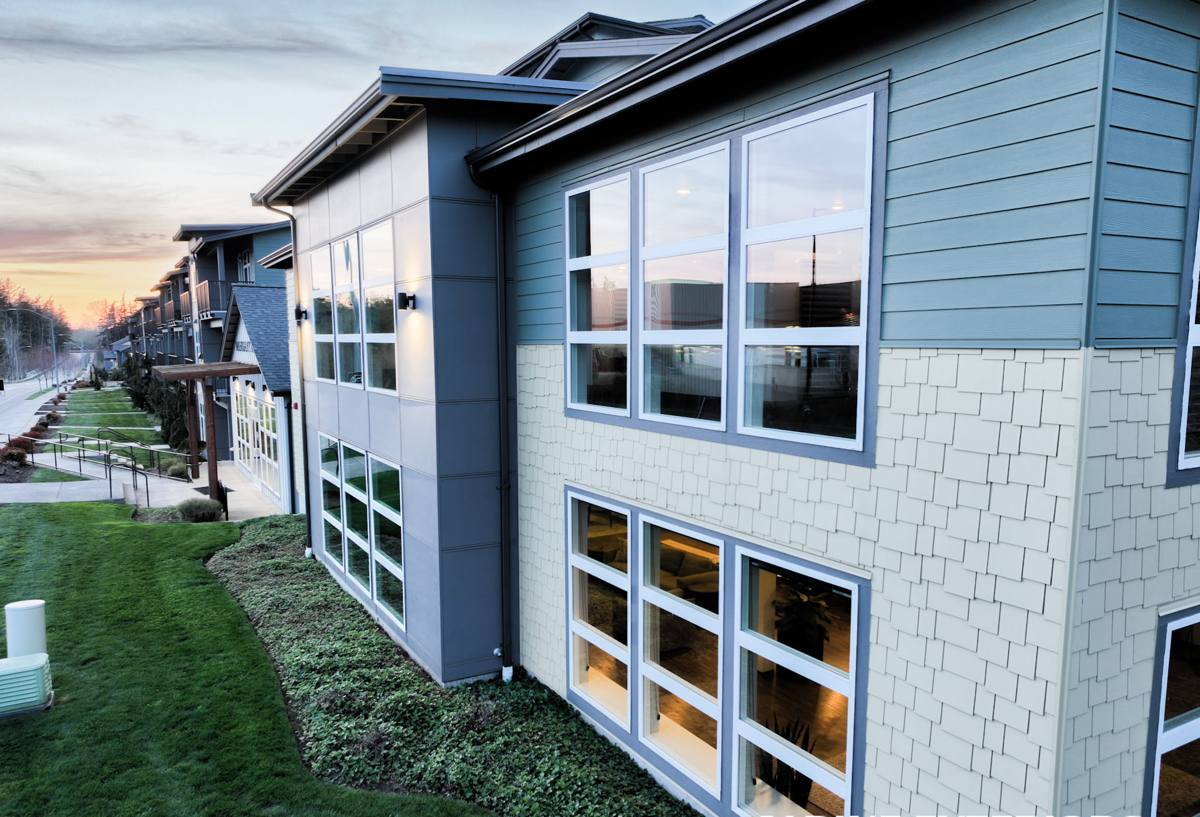
What a Correct Window Installation Actually Involves
Measuring and Product Selection
We start with a field measurement of the actual opening, not a guess based on the existing window's label or the home's original plans. Older Bradenton homes in particular can have openings that have shifted slightly out of square over the years, and that changes what the installation needs to account for. From there, we help you pick a window that meets the wind-pressure and impact rating required for your specific property, not just whatever's cheapest or fastest to get.
Removal and Opening Prep
Taking out the old window is where hidden problems usually surface — soft framing, old flashing that was never installed correctly, or moisture damage that's been building behind the trim for years. We address what we find before the new unit goes in. Setting a new window into a compromised opening just locks the existing problem behind a new frame.
Flashing and Weatherproofing
This is the step that determines whether a window installation holds up in this climate or starts leaking within a few storm seasons. Flashing has to lap correctly with the weather-resistive barrier and siding around the opening, direct water outward and away from the framing, and use sealants rated for sustained coastal humidity and heat rather than a bead of generic caulk. We treat this as standard practice on every installation, not an optional add-on.
Setting, Shimming, and Anchoring
A window has to be set plumb, level, and square, then anchored with fasteners and spacing that match both the manufacturer's specification and the wind-load requirements for your wind zone. Shimming has to support the frame without distorting it, since a warped frame is one of the more common causes of a window that won't operate smoothly or seal correctly down the road.
Finish and Trim Integration
The exterior trim and finish work around a new window has to tie into the surrounding siding cleanly, both for appearance and because a poorly integrated trim detail can become its own water entry point. We plan that integration as part of the job, not as an afterthought once the window is already set.
Signs Your Bradenton Home Needs New Windows
- Fogging or visible moisture trapped between the panes of a double-pane window
- Noticeable drafts or air movement near the frame even when the window is fully closed and locked
- Sills or trim that feel soft, look discolored, or show visible rot or staining
- Windows that stick, won't stay open, or are hard to lock the way they used to
- Hardware — locks, cranks, or hinges — that's pitted, stiff, or corroded from salt air exposure
- Visible daylight or gaps where the frame meets the surrounding wall or siding
- Rising cooling bills without another clear cause, which often points to failed seals or single-pane glass
- Windows that predate current Florida Building Code wind requirements for your property
Impact-Rated vs. Non-Impact Windows in Bradenton
Whether a given opening on your property requires impact-rated glass depends on your specific wind zone and the Florida Building Code requirements that apply to it — that's something we confirm during the assessment rather than assume. Here's how the two options generally compare.
| Factor | Impact-Rated Window | Non-Impact Window |
|---|---|---|
| Glass | Laminated glass designed to stay intact under wind-borne debris impact | Standard glass, no impact interlayer |
| Storm protection | Built into the window itself | Requires separate shutters or panels to meet code where applicable |
| Upfront cost | Higher per unit | Lower per unit |
| Day-to-day use | No extra steps before a storm | Shutters or panels must be installed and removed each time |
| UV and sound performance | Often improved as a side benefit of the laminated glass | Depends on the specific glazing package chosen |
| Where it fits | Properties in wind-borne debris zones, or homeowners who want built-in protection | Properties outside those zones, when paired with approved separate protection |
We'll walk through what your property actually requires under current code before you decide between the two — it isn't a one-size answer for every Bradenton address.
Choosing the Right Window for This Climate
Frame material and glazing matter as much as the impact rating, since they're what determines how the window holds up day to day, not just during a storm.
- Frame material: Vinyl and fiberglass frames built for coastal, high-UV exposure resist the corrosion and sun degradation that shortens the life of lower-grade materials in this climate, with less ongoing maintenance than an unclad wood frame.
- Glazing package: Impact-rated laminated glass, often paired with low-E coatings, helps manage both UV exposure and cooling costs through Florida's long, hot season.
- Hardware grade: Corrosion-resistant hardware holds up longer against salt air off the Gulf and Tampa Bay than standard-grade hardware, which matters most on Bradenton properties closer to the water.
- Warranty structure: A manufacturer's product warranty only covers the window itself — we stand behind our installation work separately, since most window failures in this climate trace back to installation and flashing, not the unit.
We'll go over the honest trade-offs for your specific home and budget rather than defaulting to whatever's fastest to install.
Our Installation Process, Start to Finish
- On-site assessment — we check each opening's condition, square, and level, and confirm the wind zone and code requirements that apply to your property
- Honest product recommendation — impact or non-impact, frame material, and glazing package, explained with the reasoning behind it
- Ordering and lead time — a realistic timeline, since impact-rated and larger units are often built to order rather than pulled from stock
- Removal and opening prep — the old window comes out carefully, and any hidden rot, moisture damage, or old flashing issues get addressed first
- Installation and flashing — the new unit is set plumb, shimmed, anchored to meet wind-load requirements, and flashed in a sequence built to shed water outward
- Trim and finish — exterior trim is integrated to match the surrounding siding and architecture
What Drives Window Installation Cost in Bradenton
| Factor | Why It Matters |
|---|---|
| Impact rating | Laminated glass and reinforced frames cost more upfront than non-impact equivalents |
| Window size and count | Larger openings and full-house projects change both material and labor cost, though a multi-window project usually has better per-unit economics than a single window |
| Frame material | Vinyl generally costs less than fiberglass; both outperform unclad wood in this climate |
| Opening condition | Rot, old flashing failures, or out-of-square framing add repair work before the new unit is set |
| Access and story height | Second-story or hard-to-access openings add labor time |
| Trim and finish scope | Matching existing trim details or siding adds finish work beyond the window itself |
We won't quote a number without seeing the openings in person, but these are the factors that consistently move price on a Bradenton project, and we'll walk through which ones apply to your home before you commit to anything.
A Practical Checklist Before You Hire
- Confirm the contractor measures each opening in person rather than quoting off a phone description
- Ask what wind zone and impact requirements apply to your specific property, not a general answer
- Get a written scope that separates the product warranty from the installation warranty
- Verify current Florida contractor licensing and active liability insurance
- Ask for a realistic lead time on ordering before you commit to a schedule
- Ask specifically how flashing will integrate with your existing siding, not just which window brand is being sold
Why a Local Bradenton-Area Crew Matters
Manufacturer installation guidance is written for average conditions in an average climate. Bradenton's exposure to hurricane-force wind events, sustained UV, wind-driven rain, and salt air pushes well past that baseline, and a shortcut installation that might hold up somewhere calmer and drier tends to show its weaknesses here within a few storm seasons instead of decades. A crew that installs windows throughout the Sarasota-Manatee area regularly already knows which parts of a manufacturer's guidance are non-negotiable in this climate, and where extra time on flashing or anchoring is worth it even when it isn't strictly required.
That experience shows up in decisions that don't come up in a sales conversation — how much lap a flashing course needs given how rain moves in a Gulf Coast storm, which hardware grade actually holds up against salt air this close to the water, and when a sill detail needs extra attention instead of relying on sealant alone. Those choices are what decide whether a window installation is still performing cleanly after a decade of Bradenton summers and storm seasons, or showing leaks and seal failure within a few years.
If you're dealing with drafty, foggy, or aging windows on a Bradenton property, planning a full-house replacement, or just want a straight answer on what your home's wind zone actually requires, it's worth having someone look at the openings in person before you start pricing units. We offer free, no-pressure estimates for window installation in Bradenton and throughout the surrounding Sarasota-Manatee area — use the form below to get a time on the schedule.