 Sarasota Window
 Building a Deck That Actually Holds Up in Bee Ridge
Bee Ridge is one of Sarasota's long-established residential neighborhoods, with homes ranging from older ranch-style houses to newer construction, many shaded by mature oak canopy and set on the kind of sandy, well-drained soil common across this part of Sarasota County. A deck here isn't just an outdoor living space — it's an exterior structure that has to survive the same conditions that wear on your roof and siding: intense sun nearly year-round, sudden downpours, high humidity, and the occasional direct hit from a tropical system. A deck built the way it might be built in a drier, cooler climate simply won't last here. Fasteners corrode faster, wood checks and cups under UV exposure, and anything installed without proper drainage traps moisture against framing long enough to start rot before you'd ever notice from the surface.
This page covers what we look at specifically when we design, build, or repair a deck for a Bee Ridge home — the material choices that make sense in this climate, the structural details that matter most, and what our process looks like from first visit to final walkthrough.
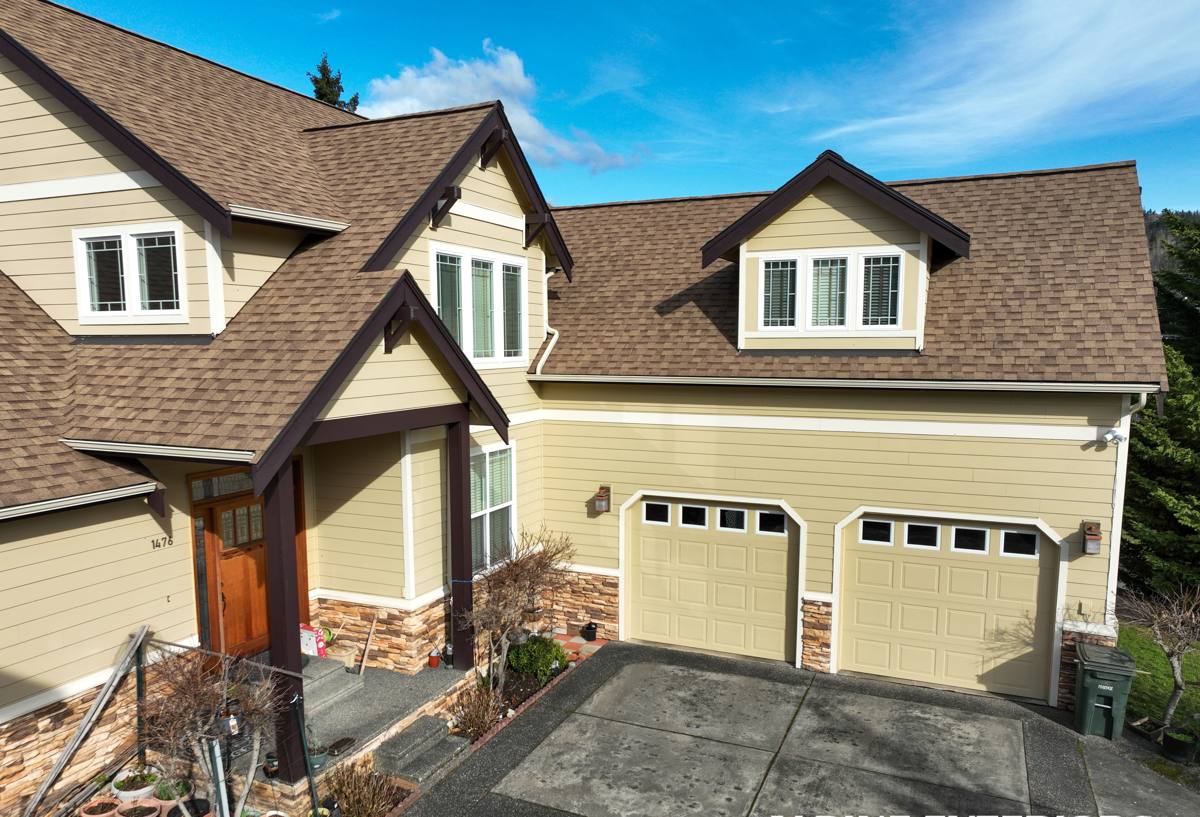
What This Climate Actually Does to a Deck
Sarasota County sees some of the highest annual UV exposure in the continental U.S., paired with a wet season that dumps heavy, sustained rain for months at a time. That combination is hard on decking in a few specific ways:
- UV breakdown: Constant sun exposure fades color, dries out natural wood oils, and accelerates the breakdown of lower-grade composite and PVC products that aren't formulated for high-UV regions.
- Wind-driven rain: Storms here rarely fall straight down. Wind pushes rain sideways and underneath structures, so ledger board flashing, joist protection, and drainage gaps between boards matter more than they would in a calmer climate.
- Humidity and moisture cycling: Wood that stays damp for extended stretches and then bakes in direct sun repeatedly expands and contracts, which loosens fasteners and opens joints over time.
- Salt air: Even at a distance from the immediate coastline, salt-laden air moving inland corrodes standard hardware, screws, and connectors faster than it would further inland.
- Hurricane-force wind loads: Any deck attached to your home has to be engineered to resist uplift and lateral load, not just support foot traffic.
None of this means a deck in Bee Ridge is a bad investment — it means the materials and hardware need to be chosen deliberately, and the structural connections need to be done right the first time.
Choosing the Right Decking Material
There's no single "best" decking material — there's a best material for your budget, your maintenance tolerance, and how you actually plan to use the space. Here's how the common options stack up in a hot, humid, storm-prone climate like ours.
| Material | Upfront Cost | Maintenance | Heat Underfoot | Typical Lifespan Here |
|---|---|---|---|---|
| Pressure-treated pine | Lowest | Annual sealing/staining recommended | Moderate | 10–15 years with upkeep |
| Tropical hardwood (e.g. ipe) | High | Periodic oiling to maintain color | Moderate | 20–25+ years |
| Capped composite | Mid-to-high | Occasional wash, no sealing | Higher in direct sun | 25–30 years |
| PVC / cellular decking | Highest | Wash only | Highest in direct sun | 25–30+ years |
A few notes worth knowing before you decide:
Pressure-Treated Wood
Still a solid choice for budget-conscious homeowners, especially for framing and structural members regardless of what decking surface you choose. The trade-off is upkeep — in this climate, skipping annual sealing lets sun and moisture cycle the boards into checking, splintering, and gray-out faster than in cooler regions.
Composite and PVC Decking
These products have improved significantly, but not all composites are built for high-UV, high-heat climates. We steer clients toward capped composite or PVC boards with UV-stabilized formulations and away from older uncapped composite products, which historically had more trouble with moisture absorption and color fade in sun-intensive regions. This is a maintenance and durability call on our part, not a knock on any single brand — every product line has a range of grades, and grade matters more than marketing.
Hardwoods
Dense tropical hardwoods hold up extremely well structurally but need periodic oiling to keep their color; left unmaintained, they gray naturally, which some homeowners like and others don't. It's a look preference as much as a durability one.
The Structural Details That Actually Matter
The decking surface is what you see, but the framing underneath is what determines whether the deck is safe and how long it lasts. A few things we treat as non-negotiable on every Bee Ridge project:
Ledger Board Attachment and Flashing
Where a deck attaches to the house is the single most common point of failure on older decks we're called to inspect. Without proper flashing, wind-driven rain works its way behind the ledger board and rots the rim joist behind it — often invisibly, until someone notices the deck has developed a slight bounce or separation from the house.
Fasteners and Hardware
Standard hardware corrodes faster in salt-influenced coastal air. We use fasteners and structural connectors rated for coastal or high-corrosion environments — it costs more up front but is far cheaper than replacing rusted-out hardware in eight years.
Footings and Post Bases
Sarasota County's sandy soil drains well, which is good for footing stability, but footings still need to be sized and set to local code depth and load requirements — not just "deep enough to feel solid."
Wind and Uplift Resistance
Decks attached to the home need connections engineered to resist both the downward load of people and furniture and the uplift and lateral forces of high wind. This includes proper joist hangers, hurricane-rated connectors at key structural points, and railing posts anchored well beyond what looks sufficient by eye.
Our Process, Start to Finish
- On-site consultation: We walk the space with you, talk through how you'll use the deck, and look at existing structure, drainage, and sun exposure.
- Design and material selection: We go over decking material, railing style, and layout, with honest pros and cons for your budget and maintenance preference.
- Permitting: Most new decks and significant rebuilds in Sarasota County require a building permit. We handle the paperwork and coordinate inspections so you don't have to navigate the county process yourself.
- Framing and structural work: This is where the durability of the deck actually gets decided — ledger attachment, footings, joist layout, and hardware selection all happen at this stage.
- Decking, railing, and finish work: Surface boards, railings, stairs, and any built-in features go in last, with attention to fastening patterns and expansion gaps appropriate to the material.
- Final walkthrough and inspection sign-off: We confirm everything passes county inspection and walk you through basic care for whatever material you chose.
Repair, Rebuild, or Replace?
Not every deck problem means starting over. When we're called out to an existing Bee Ridge deck, we're typically looking at one of a few situations:
| What We Find | Usual Cause | Typical Fix |
|---|---|---|
| Soft or spongy boards | Trapped moisture, inadequate drainage between boards | Board replacement; may need to correct spacing/ventilation |
| Rust streaks around fasteners | Standard (non-coastal-rated) hardware corroding | Hardware upgrade, often during a board replacement |
| Deck feels loose or bouncy | Ledger board or joist connection failure | Structural repair — often more involved, sometimes a rebuild |
| Faded, splintering wood | UV breakdown from lack of sealing | Sanding/refinishing, or resurfacing with lower-maintenance material |
| Visible rot at the house connection | Missing or failed flashing | Ledger board and flashing rebuild — highest priority repair |
As a general rule: surface-level wear (fading, minor splintering, worn finish) is a repair or refinishing job. Anything touching the ledger board, main support posts, or footings is a structural issue that deserves a full inspection before deciding between repair and replacement — patching over a structural problem just delays a bigger, more expensive fix.
Permits and Sarasota County Requirements
Most deck construction and major rebuilds in Sarasota County fall under the Florida Building Code and require a permit, along with inspections at key stages such as footings, framing, and final completion. Requirements can vary based on deck height, whether it's attached to the home, and railing height for elevated decks. We handle permitting as part of every project so the work is inspected, documented, and built to code — which also matters if you ever sell the home, since unpermitted structural work is a common flag in real estate inspections.
Deck Maintenance in a Sarasota Climate
Whatever material you choose, a little seasonal attention goes a long way here. A basic maintenance routine for a Bee Ridge deck should include:
- Rinsing off pollen, dirt, and salt residue every few weeks, more often in spring pollen season
- Checking for gaps opening up around the ledger board or house connection after major storms
- Inspecting fasteners and railing posts for rust or looseness at least once a year
- Resealing or oiling wood decking annually, or as the finish starts to dull
- Clearing debris from between boards so water can drain instead of pooling
- Trimming back nearby vegetation that keeps the deck surface shaded and damp for long stretches
- Having the structure looked at after any named storm that brought sustained high wind
Why It Matters to Hire a Crew That Already Works in Bee Ridge
A deck built by someone unfamiliar with Sarasota County's permitting process, soil conditions, and storm exposure can look fine on installation day and still fail in ways that only show up two or three years in — usually right at the ledger board or in the fasteners. Working with a crew that builds and repairs decks regularly in this specific area means the material choices, hardware, and structural details are already dialed in for what this climate does to a deck over time, not adapted after the fact from a build style meant for somewhere drier or calmer. It also means fewer surprises with permitting and inspections, since that process is already familiar territory.
If you're planning a new deck, need an existing one inspected, or have a repair that's been nagging at you, we're happy to come take a look. Reach out for a free, no-pressure estimate using the form below — we'll walk the space, answer your questions honestly, and give you a clear picture of what the project actually involves.